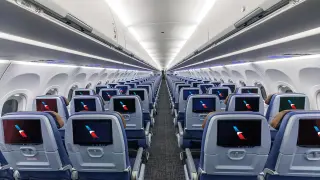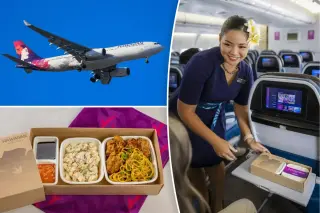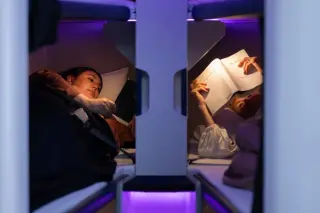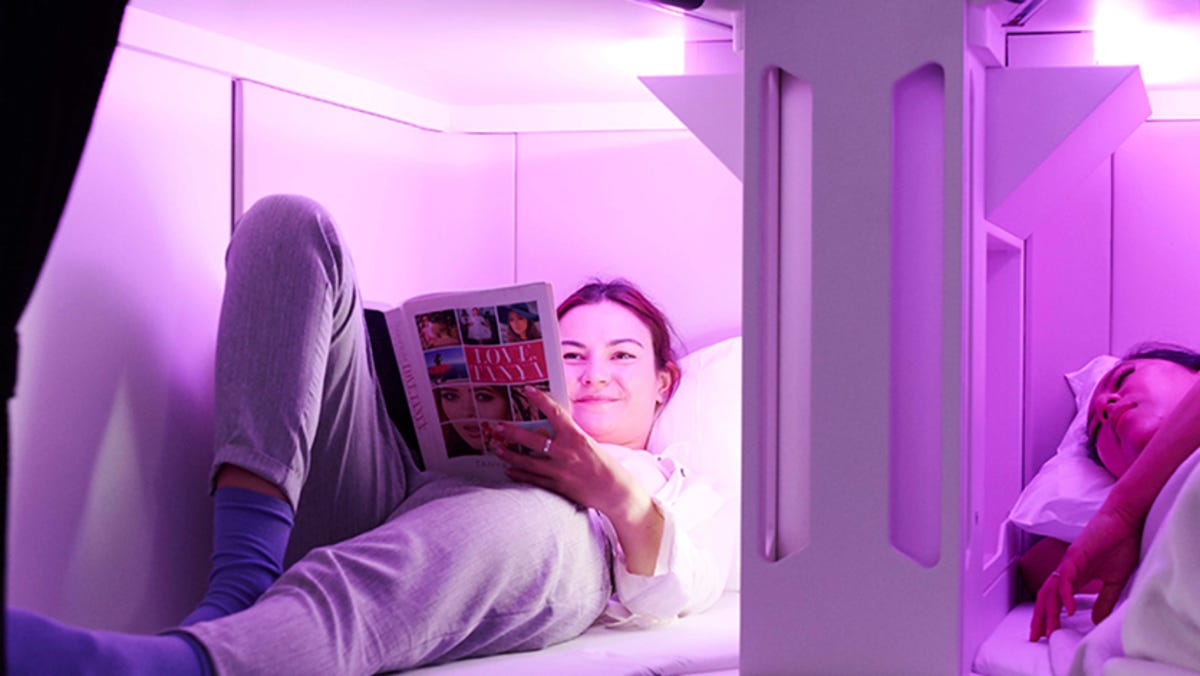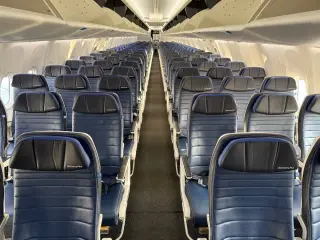
Air New Zealand unveiled a cabin mock-up featuring sleeping pods that could let economy passengers sleep in bunk-style spaces on long-haul flights, but the concept is early-stage and would need to clear safety and regulatory rules before any rollout.
U.S. airline executives from major carriers like American, Delta, and United are set to defend their seating fees before a Senate panel, following accusations of charging "junk" fees to generate billions in revenue. The fees, which have totaled $12.4 billion from 2018 to 2023, are for seats with extra legroom or preferred locations. While airlines argue these fees are voluntary and clearly communicated, the Biden administration and some lawmakers aim to reduce such charges. The hearing will also feature testimony from executives of Spirit and Frontier, known for their fee-based models.
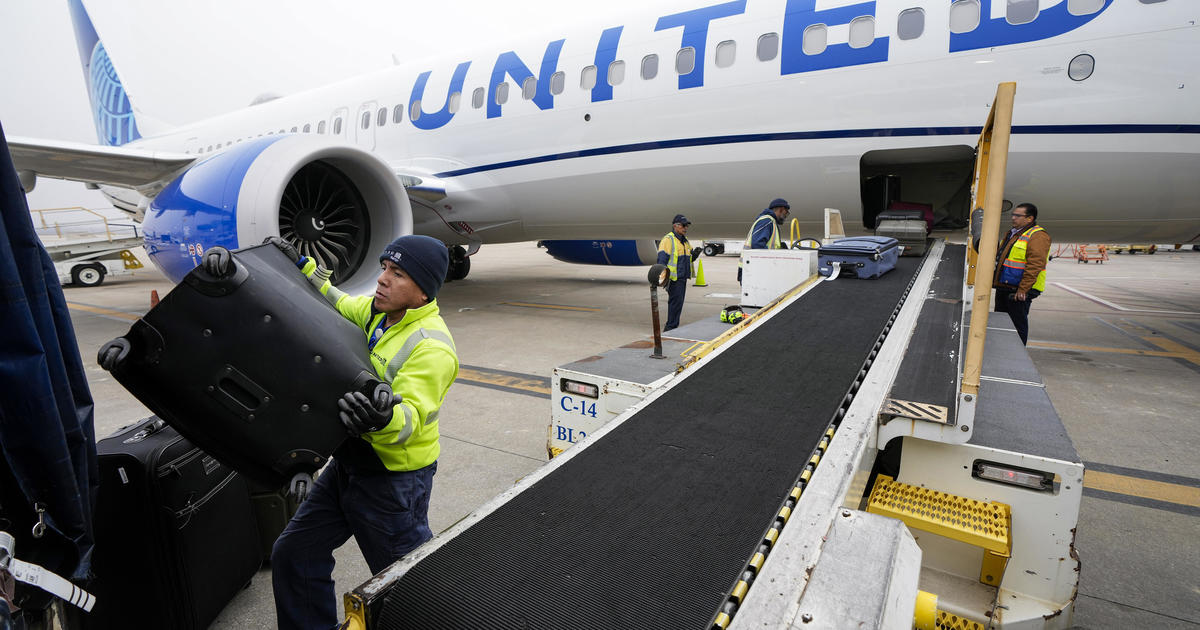
United Airlines is increasing checked bag fees for domestic flights in North America, with the cost for the first checked bag rising to $40 and the second to $45 if paid in advance online. The new policy, effective for tickets purchased on or after February 24, also offers savings for passengers who pay in advance. Other airlines, including American, Alaska, and JetBlue, have also raised their bag fees recently, contributing to the significant revenue generated by airlines from baggage fees. United is also updating its mainline aircraft with larger overhead bins to accommodate more carry-on bags.
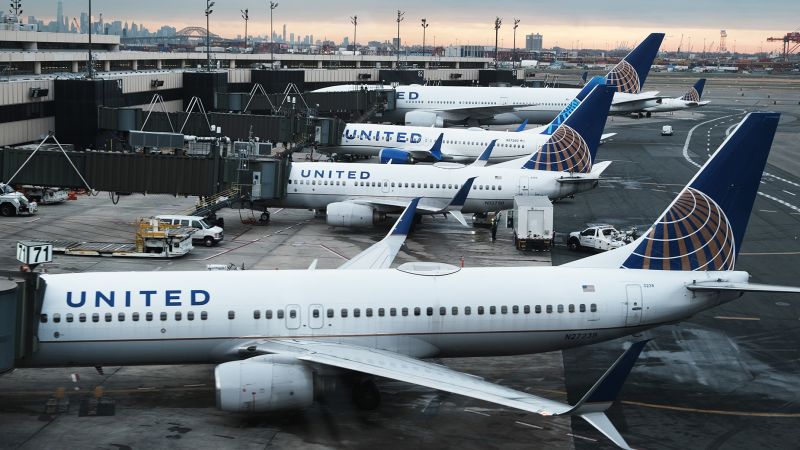
United Airlines is implementing a new boarding procedure for economy class passengers, starting on October 26. After the initial boarding groups, window seat passengers without frequent flyer status will board first, followed by those in middle seats, and aisle seat passengers will board last. The process, known as WILMA (window-middle-aisle), has been tested and proven to save up to two minutes of boarding time. This change may give an advantage to passengers who book window seats in terms of overhead bin space. The move is aimed at improving efficiency and reducing boarding time, which can result in significant cost savings for airlines.
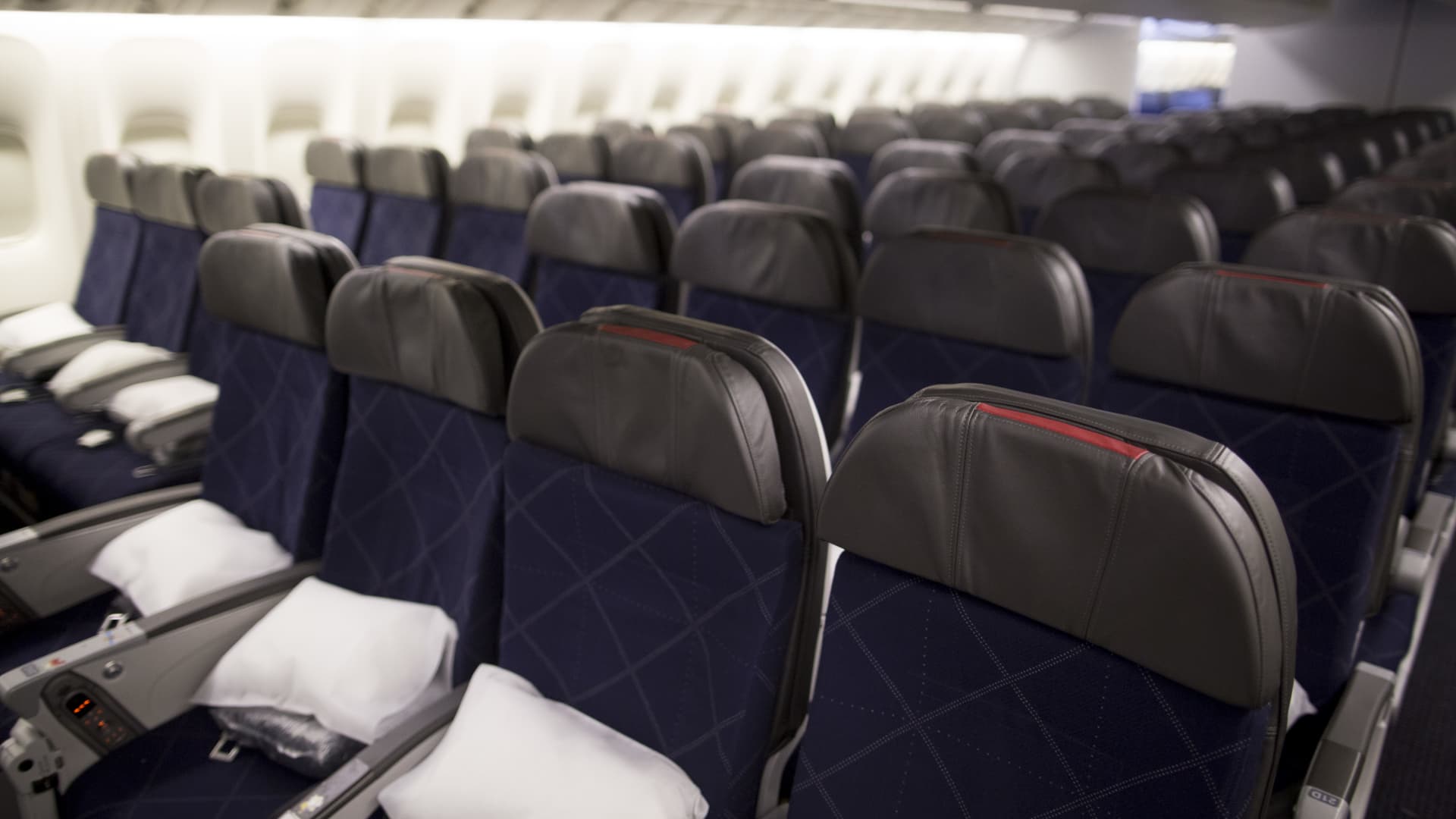
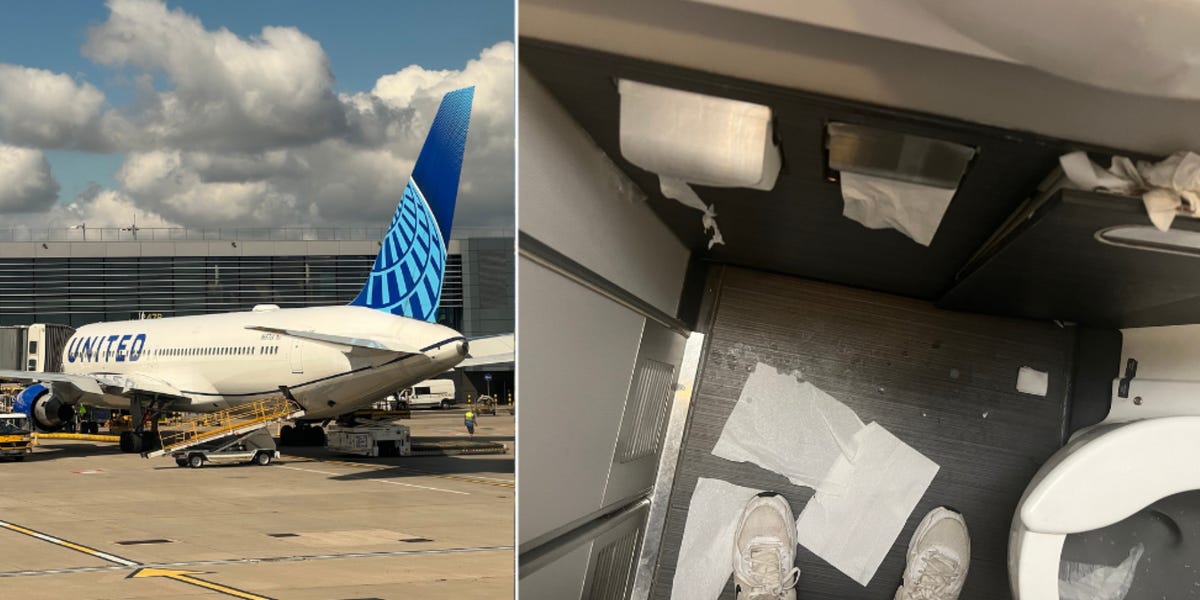
A traveler compares their recent experience flying United Airlines in economy class to their previous flights with Singapore Airlines and All Nippon Airways, noting disappointment in customer service, food, and cleanliness. The traveler found the shortcomings of United Airlines more apparent after experiencing the simple luxuries offered by the Asian carriers.
Airlines are adding more premium seats to meet the growing demand from travelers who are willing to pay for a more comfortable experience on longhaul flights. The decline in business travel and attractive pricing have made premium cabin seating more accessible. Delta expects revenue from premium tickets to account for 35% of its revenue this year, compared to 24% a decade ago. Other airlines, such as American Airlines and United, are also increasing the number of premium seats on their aircraft. The trend reflects a shift in consumer preferences, with more people prioritizing a comfortable journey over material possessions.
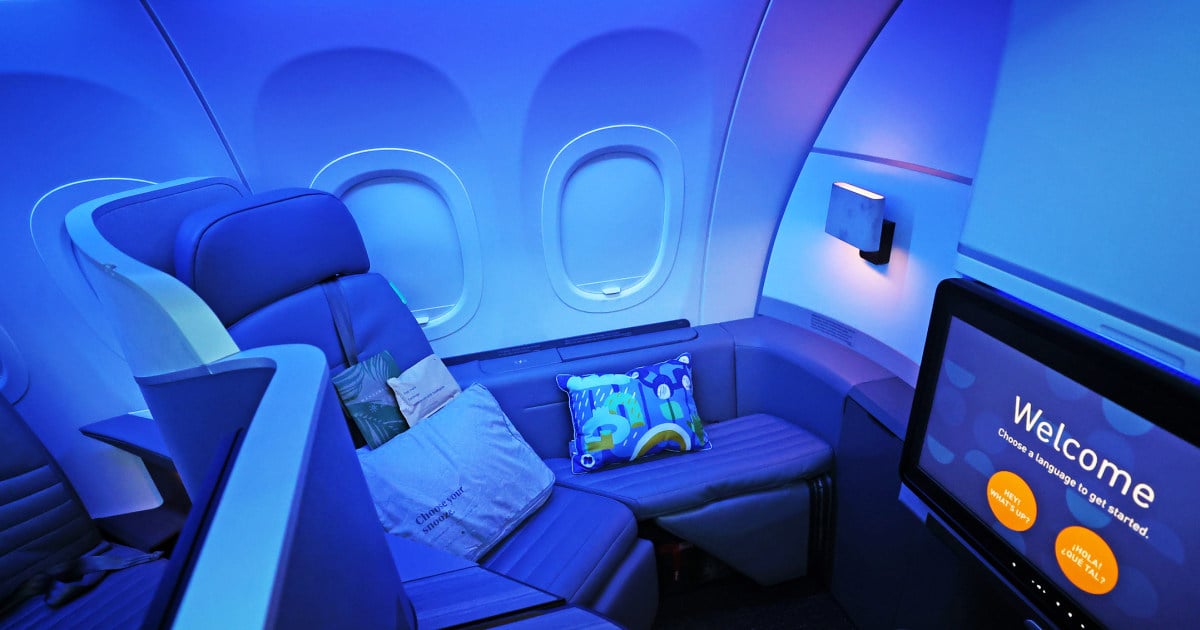
Airlines are shifting their focus from cramming as many seats as possible into coach to adding roomier seats in an effort to attract high-spending travelers. Premium economy seats, which offer more legroom and perks but not lie-flat beds, have seen an increase in demand, while first-class seats have seen a decline. Carriers like Delta, JetBlue, United, American Airlines, Finnair, and Lufthansa are investing in upgraded first-class seats, premium economy cabins, and suites with sliding doors. The price differences between economy and premium seats can be significant, with premium tickets accounting for a growing share of airlines' revenue. The trend towards high-end seats is driven by customers' willingness to pay for more space and a better in-flight experience.
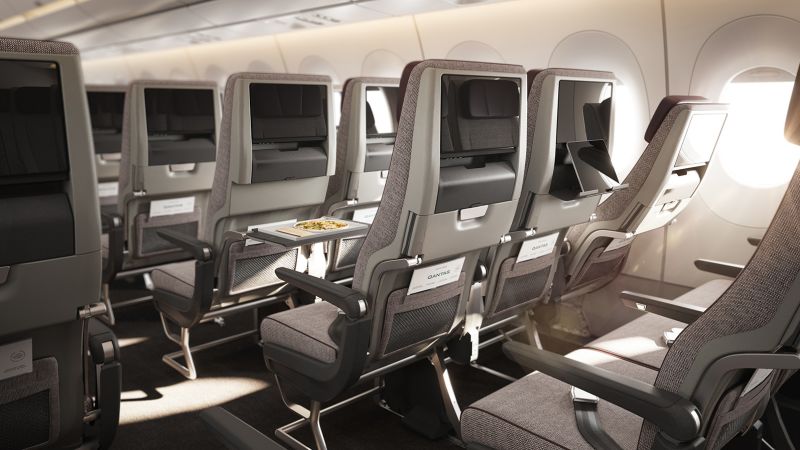
Qantas has revealed the design of its economy class seats for its upcoming ultra long-haul flights connecting Sydney to New York and London direct. The airline will offer passengers more leg room and space to move around the cabin, as well as "wellness zones" with TV screens guiding travelers through stretching exercises and bars to help them balance. The economy cabin will also have Bluetooth connectivity, free Wi-Fi, and "energizing food" to help reduce jet lag. The airline has been working with sleep researchers to optimize passenger comfort during the 19-hour flights.
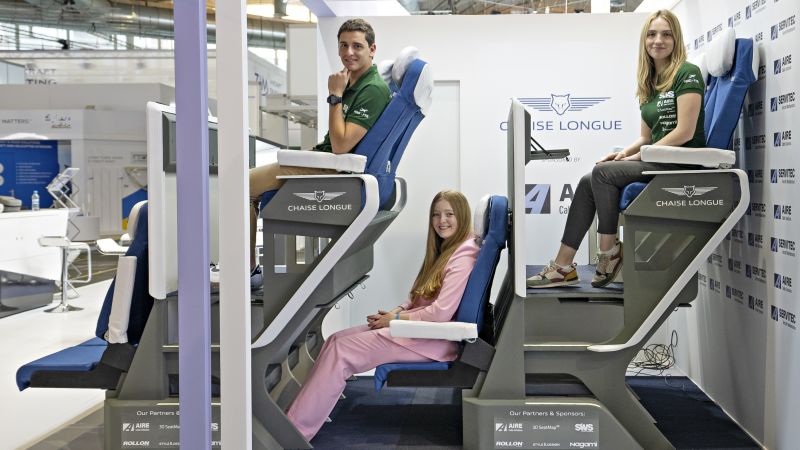
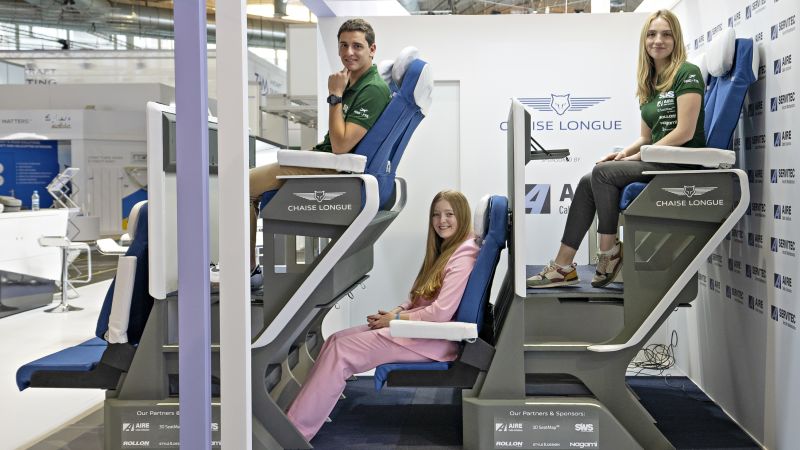
Alejandro Núñez Vicente, a 23-year-old airplane seat designer, believes double-level seating is the future of economy flying. His Chaise Longue Airplane Seat prototype has been updated and showcased at the Aircraft Interiors Expo in Hamburg, Germany. The design features two rows of regular airplane seating flanking the Chaise Longue in the center. Núñez Vicente insists the design is not about cramming more seats on planes, but rather about solving the airplane seat conundrum. The new design has improved legroom on the top level and foldable seats on the bottom level. The Chaise Longue is still in the prototype stage and appropriate certifications are being worked on.
Air New Zealand plans to introduce Skynest bunk beds in economy class on its Auckland-New York and Auckland-Chicago routes from September 2024. The Skynest area on its Boeing 787s will feature six sleeping pods, each with their own bedding, ear plugs, a reading light, a USB charging outlet and an air vent. Economy passengers will be allowed to book one four-hour session per flight, pending availability, with a 30-minute changeover period scheduled between sessions. The airline has not yet finalised pricing for the Skynest sleep sessions.