
Utah escalates fight with Kalshi via criminal charges as CFTC sues to block state ban
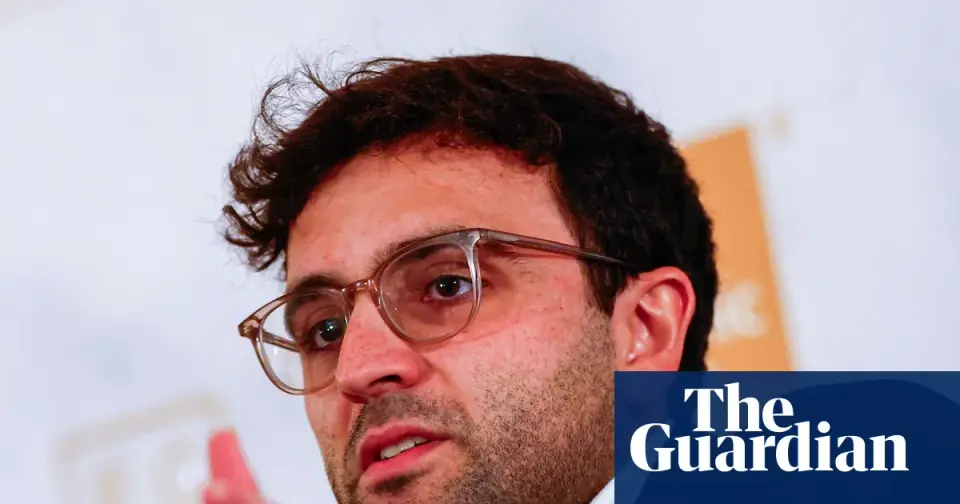
Utah filed criminal charges against prediction market Kalshi and its co-founders, Tarek Mansour and Luana Lopes Lara, alleging violations of state anti-gambling laws. The move follows a federal court ruling allowing Utah to enforce its ban. Simultaneously, the US Commodity Futures Trading Commission (CFTC) sued Utah to block the state's enforcement, arguing federal jurisdiction preempts state gambling laws. This intensifies a legal battle over whether prediction markets are regulated by states or exclusively by the federal government.
Key points
- Utah Attorney General Derek Brown filed felony charges against Kalshi and its executives, including 13 counts for violating gambling prohibitions.
- The charges follow a federal judge's August ruling that Utah can enforce its anti-gambling laws against prediction markets.
- The CFTC sued Utah to block the state's enforcement actions, claiming exclusive federal jurisdiction over CFTC-registered event contracts.
- Kalshi called the charges a 'crazy overreach' and stated it would fight the case in court.
- The legal conflict has spread to roughly 20 states, with the Supreme Court likely to resolve the jurisdictional dispute.
Background
Utah previously sued Kalshi in state court in October 2026, seeking an operational ban and $61.2 million in restitution. The NFL also urged the Supreme Court to allow states to regulate prediction markets as gambling, citing concerns over game integrity and age limits. This follows a circuit split where some appeals courts sided with states, while others supported federal jurisdiction.
How outlets are covering it
The Guardian and Al Jazeera focus on Utah's criminal charges against Kalshi and its executives, emphasizing the state's stance that prediction markets are illegal gambling. Ars Technica highlights the CFTC's lawsuit against Utah, arguing that federal jurisdiction preempts state gambling laws. While The Guardian and Al Jazeera note Kalshi's response as 'crazy overreach,' Ars Technica details the CFTC's claim that event contracts provide public information and are under exclusive federal oversight. The sources agree on the core conflict but differ in emphasis: The Guardian and Al Jazeera focus on state enforcement, while Ars Technica highlights federal preemption and the broader legal landscape.
Why it matters
The outcome will determine whether states can regulate prediction markets as gambling or if federal jurisdiction exclusively governs these platforms. This has implications for sports betting, political markets, and the legal framework for financial instruments tied to event outcomes.
What to watch
Kalshi is appealing the federal court's ruling to the Tenth Circuit. The CFTC's lawsuit against Utah may lead to further legal battles, potentially reaching the Supreme Court to resolve the circuit split on state vs. federal jurisdiction over prediction markets.
- Utah files criminal charges against prediction market Kalshi and company co-founders The Guardian
- Kalshi, co-founders hit with criminal charges in US state of Utah Al Jazeera
- Utah criminally charges Kalshi with promoting illegal gambling Reuters
- Trump admin sues Utah to save Kalshi from the state’s total ban on gambling Ars Technica
- ‘This is a crazy overreach’: Kalshi responds after Utah files criminal charges against company for promoting gambling, unlawful activity ABC4 Utah
Want the full story? Read the original reporting
Read on The Guardian