
Fed Holds Rates as Warsh Announces 2027 Calendar Shift and Dissent Emerges
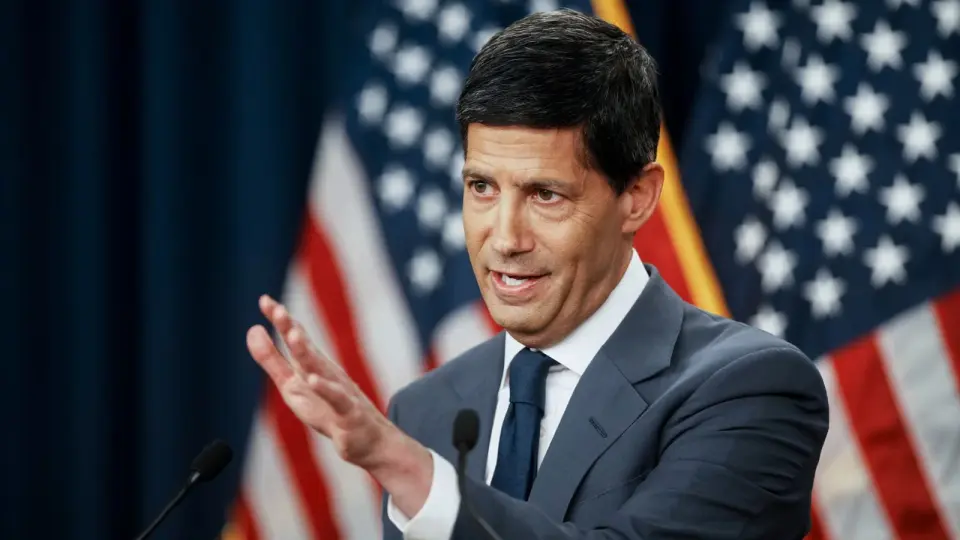
The Federal Reserve held its benchmark interest rate steady on Wednesday, October 28, 2026, as widely expected. Chairman Kevin Warsh announced a significant procedural change: in 2027, one of the eight scheduled FOMC meetings will not include a rate vote or post-meeting statement, reducing opportunities to adjust rates to six. While the decision was anticipated, two governors, Lisa Cook and Beth Hammack, dissented, signaling a potential tightening bias. Warsh also emphasized a patient approach, citing the need for more data to guide policy toward the 2 percent inflation goal.
Key points
- The FOMC voted to maintain the current benchmark interest rate, aligning with market expectations.
- Chairman Kevin Warsh disclosed that 2027 will feature only six rate-setting meetings, as one session will focus on strategic deliberations without a vote or statement.
- Governors Lisa Cook and Beth Hammack dissented from the hold decision, with Cook’s dissent being particularly notable as she has not opposed a rate vote since joining in 2022.
- Warsh stated that the Fed is adopting a patient approach, waiting for more information to determine the appropriate policy stance for returning inflation to 2 percent.
- Warsh noted that artificial intelligence is one of several factors driving strong economic expansion, though he did not attribute the entire growth surge to AI alone.
Background
This decision follows a period of rising inflation, which reached 3.7 percent in September 2026, and a September rate hike that defied President Trump’s calls for lower rates. Warsh has previously signaled concerns about AI-driven inflationary pressures and has moved away from traditional forward guidance, including not contributing to the dot plot. The current hold contrasts with the September hike, reflecting a shift toward caution amid geopolitical uncertainties and mixed economic signals.
How outlets are covering it
CNBC highlights the procedural changes and the surprise of Lisa Cook’s dissent as key takeaways, noting Warsh’s focus on AI’s role in economic growth. Yahoo Finance emphasizes the removal of a 2027 rate decision as a major shift that increases the stakes for remaining meetings, linking it to Warsh’s broader move to end forward guidance. Analysts are divided: JPMorgan’s Phil Camporeale views the Fed as leaning into patience due to uncertainty, while Principal Asset Management’s Seema Shah interprets the dissents as a tightening bias, predicting hikes in December 2026 and early 2027. Jefferies’ Thomas Simons notes that Warsh’s communication style is neither purely dovish nor hawkish, requiring markets to adjust to a more nuanced approach.
Why it matters
The reduction in scheduled rate decisions for 2027 increases the importance of each remaining meeting, potentially amplifying market volatility. The dissents from Cook and Hammack suggest internal division over the pace of tightening, which could influence future policy trajectories. Warsh’s procedural changes signal a shift toward strategic deliberation over frequent rate adjustments, affecting how investors and businesses interpret Fed communications. The hold decision, despite inflation concerns, reflects a cautious stance that balances the need for data with the risk of over-tightening the economy.
What to watch
The Fed will likely provide statements from dissenting governors Lisa Cook and Beth Hammack by the end of the week. Markets are watching for potential rate hikes in December 2026, as predicted by some strategists. The 2027 calendar will feature six rate-setting meetings, with one session dedicated to strategic topics. Warsh’s continued avoidance of forward guidance and dot plot contributions will keep markets focused on real-time data and meeting outcomes rather than pre-announced plans.
- Here are five key takeaways from the Fed rate decision and Warsh news conference CNBC
- Fed meeting recap: Warsh says central bank will host fewer rate-setting meetings in future years CNBC
- Fed's Warsh announces changes in how future FOMC meetings will go Reuters
- US Short-End Yields Fall After Warsh Signals Fewer Fed Meetings Bloomberg
- The Fed just removed a 2027 rate decision — making the remaining 7 even more important Yahoo Finance
Want the full story? Read the original reporting
Read on CNBC