
Hormuz oil flows hit 12M barrels daily, but shipping costs surge 10x
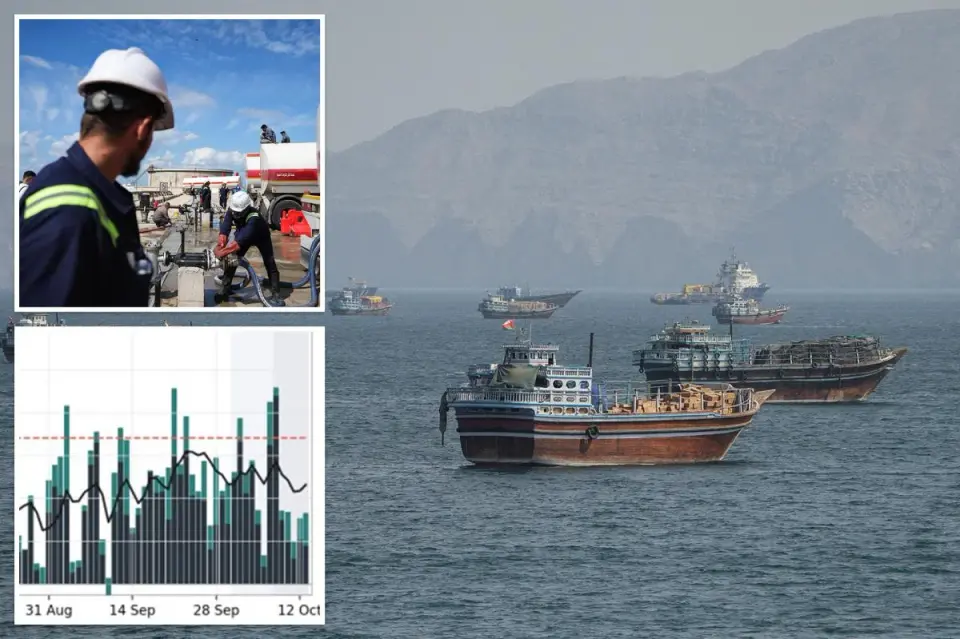
Oil transit through the Strait of Hormuz has reached 12 million barrels per day, defying recent Iranian attacks, but soaring tanker rates and diesel costs are keeping energy prices elevated despite stable crude benchmarks.
Key points
- Over 12 million barrels of oil passed through the Strait of Hormuz daily this month, exceeding last month's average despite 26 vessel attacks in October.
- A cargo ship sank on October 14 after being hit by an unknown projectile, marking the most dangerous period for tankers since the war began.
- VLCC charter rates have quadrupled to over $200,000 per day, adding $30-$40 per barrel to the physical cost of oil.
- Brent crude remains above $104 per barrel, while diesel prices hit record highs at $6.29 per gallon.
- Recent attacks caused a sharp drop in daily transit volumes, with only 2.9 million barrels passing through on October 11 compared to 20.8 million on October 8.
Background
In late September, oil flows through Hormuz rebounded to nearly pre-war levels under US Navy protection, though global fuel prices remained high due to insurance costs. Earlier in October, Iran intensified attacks, causing crude exports to fall 40% below pre-war levels and raising uncertainty ahead of US midterm elections.
How outlets are covering it
The New York Post emphasizes that oil flows have defied Iranian aggression, highlighting the profit incentives for sailors. CNBC and Business Insider focus on the 'transportation crisis,' arguing that physical oil costs are $30-$40 higher than futures prices due to skyrocketing tanker rates. While the Post notes a recent drop in daily volumes, analysts from RBC Capital Markets and BCA Research warn that shipping constraints, not just supply shortages, are driving energy inflation.
Why it matters
The disconnect between stable crude prices and soaring transportation costs indicates a structural shift in energy economics. Consumers and businesses face higher energy bills due to shipping premiums and diesel shortages, even if Brent crude prices stabilize. This crisis could persist into 2027, affecting global inflation and energy security.
What to watch
Analysts predict Brent crude could rise to $135-$150 per barrel if tanker shortages and attacks continue. The focus will shift from crude supply to shipping capacity, with energy costs remaining elevated due to reduced refining capacity and high insurance premiums.
- Oil flow through Strait of Hormuz hits 12M barrels a day — defying increasing attacks from Iran New York Post
- Brian Sullivan: Why the 'real' price of oil is likely $30-$40 higher than where it is now CNBC
- COMMENTARY: Oil's long view darkens as Iran war refuses to end Reuters
- The oil market is facing a transportation crisis that suggests energy costs aren't falling soon Business Insider
- World’s Energy Order Tested Again as Iran War’s Reach Extends Further The New York Times
Want the full story? Read the original reporting
Read on New York Post