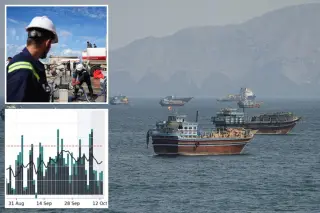
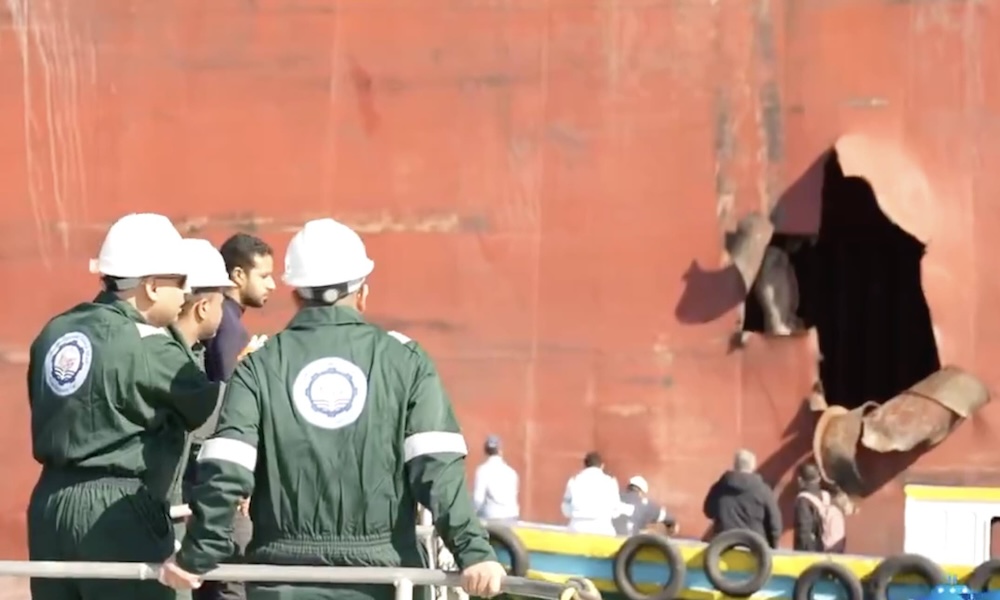
Oil transit through the Strait of Hormuz has reached 12 million barrels per day, defying recent Iranian attacks, but soaring tanker rates and diesel costs are keeping energy prices elevated despite stable crude benchmarks.
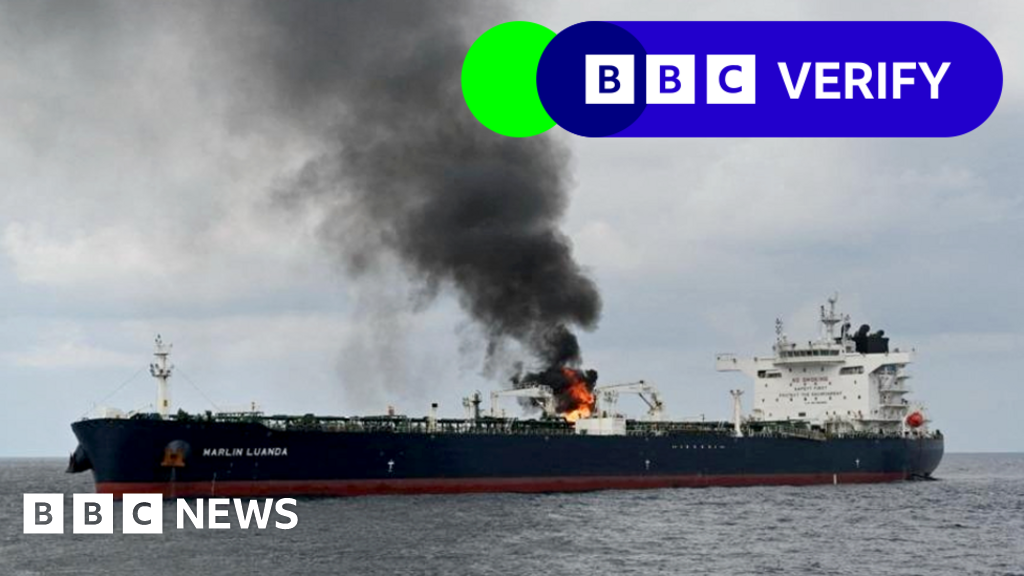
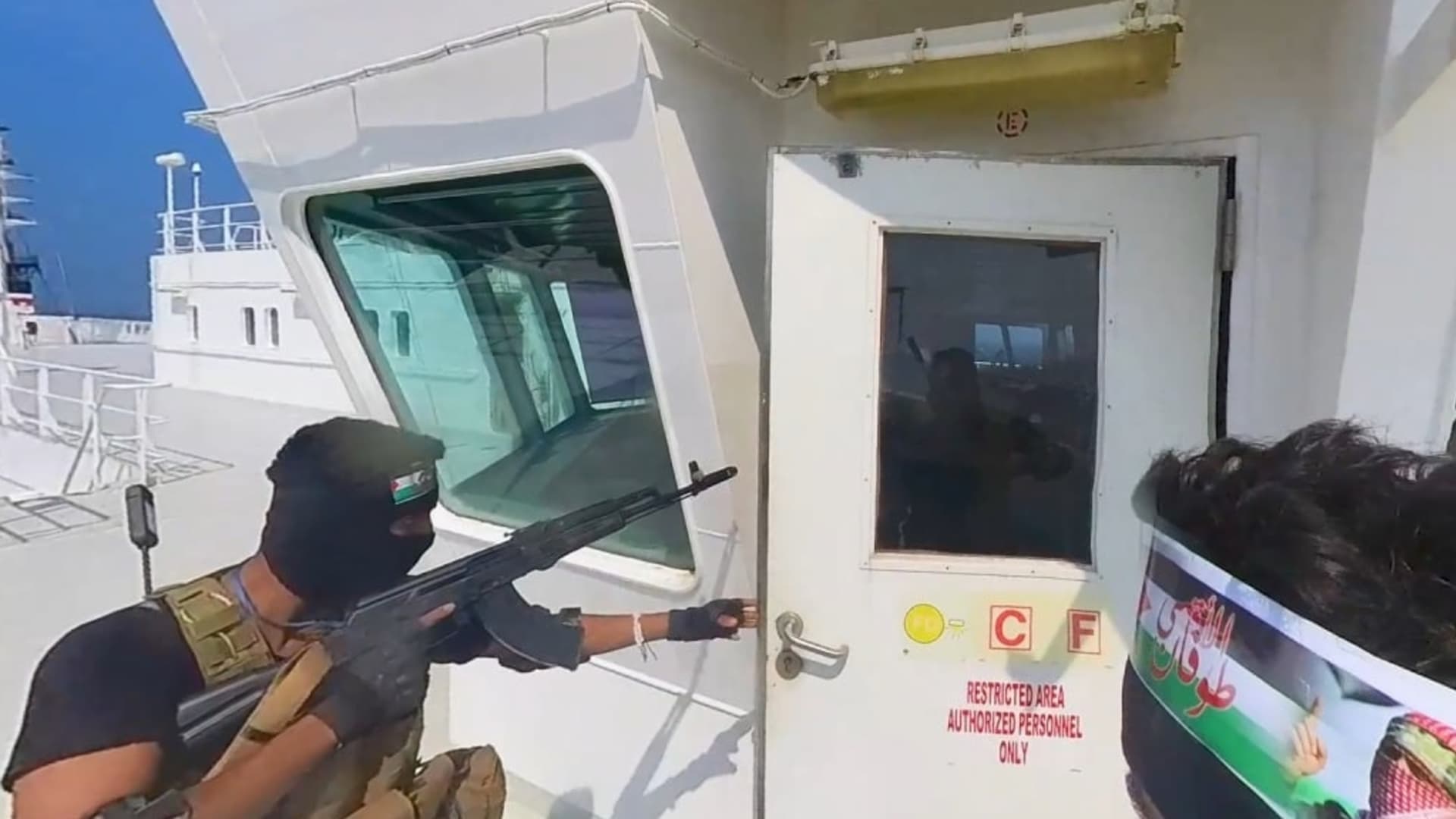
Houthi militants, backed by Iran, have been carrying out drone attacks on cargo ships in the Red Sea, causing a major shipping crisis as vessels avoid the Suez Canal and reroute around southern Africa, adding significant time and cost to shipping. The attacks have led to a 30% increase in transit time, a $1 million increase in fuel costs per vessel, and a 90% rise in freight rates. The US has re-designated the Houthis as a terrorist group and intercepted numerous shipments of Iranian weapons to the group. The unconventional tactics of the Houthis, including firing missiles from pickup trucks, have made it difficult for the US military to track, but they have managed to intercept and destroy numerous weapons and drones.
Despite US and UK air strikes, Houthi attacks on ships in the Red Sea region have increased, leading to a 29% decline in shipping. The attacks have shifted focus from Israeli-linked vessels to those with American or British ties, prompting changes in shipping routes and increased costs. The Suez Canal's revenues have dropped by 44%, and ship operators are implementing various measures to mitigate the risks, including armed security teams and altering tracking systems.
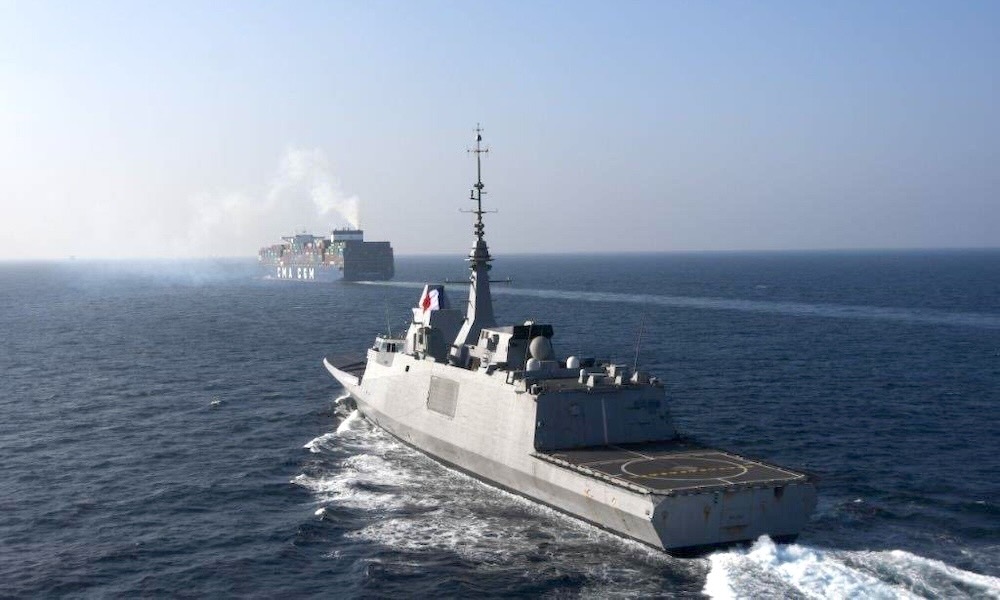
Crew members working for CMA CGM have expressed significant concerns about the company's safety policies and compensation practices regarding Red Sea transits, particularly in light of heightened security risks due to recent attacks by Houthi rebels. They are calling for a reassessment of routes, enhanced safety measures, improved compensation packages, and a transparent communication channel for employees to voice their concerns. Meanwhile, industry commentators and surveys highlight the growing impact of security threats on seafarer welfare, and the European Union plans to launch a naval mission in the Red Sea within three weeks.
The new secretary-general of the International Maritime Organization (IMO) has called for a multi-faceted solution to the Red Sea shipping crisis, emphasizing the need for enhanced ship security, cessation of hostile activities, and regional and international efforts for a peaceful resolution. Industry heavyweights support this approach, with some advocating for rerouting ships and others suggesting a convoy system. The ongoing conflict in Gaza is identified as the underlying issue, and while naval forces can minimize threats, a resolution on land is ultimately needed.
The Red Sea shipping crisis, caused by Houthi attacks, is expected to persist for months, leading to delays in oil and retail cargo, potential inflation, and supply chain disruptions. Energy companies like Shell are rerouting tankers, causing a 5-10% price impact, while container ship traffic bound for the Suez Canal has been rerouted, potentially leading to a 40-50% drop in vessel crossings. This is affecting global shipping costs and could lead to a container crunch, impacting retailers and causing delays in product deliveries. U.S. East Coast and Gulf freight rates are soaring, and some logistics companies are rerouting to the U.S. West Coast, potentially resulting in higher rates.
Crew members aboard a commodity freighter sailing through the southern Red Sea recount a terrifying experience as Houthi militants targeted dozens of ships, highlighting the dangerous conditions in one of the world's main shipping lanes.