
Global AI Diplomacy: Nations Hedge Between US and Chinese Blocs
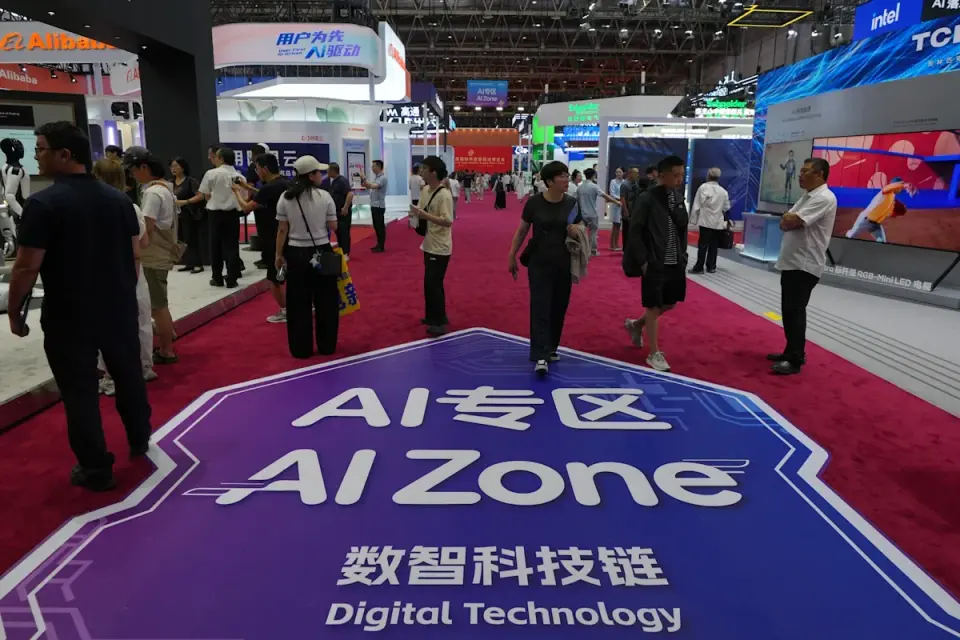
The US and China are consolidating their respective AI ecosystems into distinct blocs, forcing other nations to navigate a narrowing window of choice. While Washington pushes its exclusive 'Pax Silica' alliance, Beijing promotes an open 'World AI Cooperation Organization.' Countries like Kazakhstan and Indonesia are attempting to join both to secure advanced technology and affordable infrastructure, though experts warn that this hedging strategy may eventually fail as the two superpowers demand stricter alignment.
Key points
- The US-led 'Pax Silica' and China-led 'World AI Cooperation Organization' are emerging as competing global AI standards.
- Kazakhstan joined both groups, signing a $10 billion Nvidia data center deal with the US and becoming a founding member of the Chinese initiative.
- Washington warns that countries cannot be trusted partners in Pax Silica if they engage with competing Chinese AI visions.
- Beijing counters by emphasizing inclusivity, arguing AI should not be monopolized by major powers.
- Developing nations are increasingly positive about Chinese AI, with Beijing providing grants to 77 low- and middle-income countries.
- Experts note that while countries currently hedge, the window for free choice is narrowing, potentially forcing a binary decision.
Background
This development follows broader trends of geopolitical fragmentation seen in other blocs, such as the BRICS summit in Delhi, where internal divisions and economic lopsidedness were evident. The current AI split mirrors these dynamics, with China leveraging its Belt and Road infrastructure to expand influence, similar to its dominance in BRICS trade networks.
Why it matters
The bifurcation of the global AI landscape into two competing blocs threatens to create a new form of technological Cold War. For smaller nations, this means losing autonomy over their digital futures, as access to advanced chips and models becomes a matter of geopolitical alignment rather than open market competition. The outcome will determine whether global AI governance remains inclusive or fractures into exclusive, rival supply chains.
What to watch
Watch for further exclusions from the US-led Pax Silica as Washington tightens its criteria for trusted partners. Monitor China's expansion of its World AI Cooperation Organization, particularly in Africa and Southeast Asia, where funding and open-source models are gaining traction. The next few months will likely see more 'swing countries' forced to choose a primary alignment as the window for dual engagement closes.
Want the full story? Read the original reporting
Read on Yahoo