
Hormuz Crisis Triggers a Global Pivot to Self-Reliant Energy
TL;DR
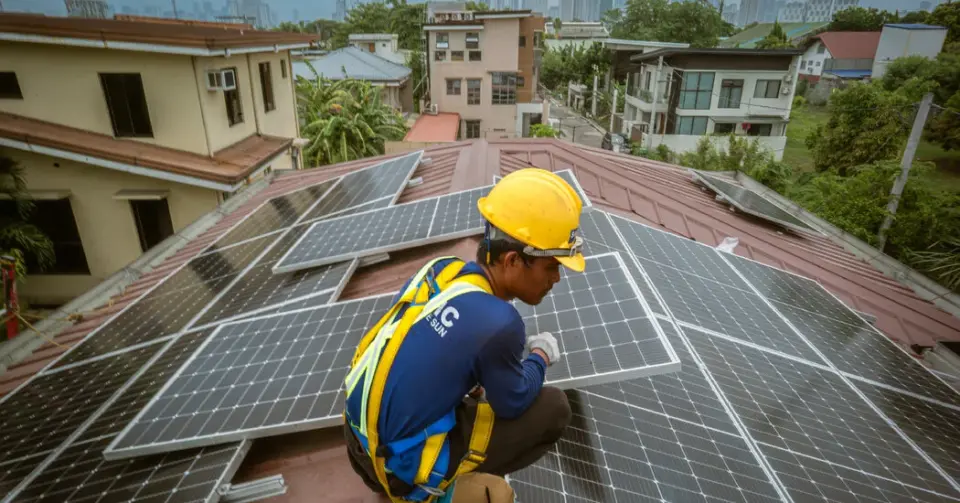
The closure of the Strait of Hormuz is nudging governments and businesses to rely more on domestic energy, boosting plans for new refineries and renewables, expanding stockpiles, and accelerating grid upgrades—from Guyana’s refinery talks to Indonesia’s solar push and Belgium’s nuclear revival—while consumer shifts to electric vehicles and rooftop solar surge, highlighting a longer-term push for energy resilience even as costs and policy gaps persist and depend on how long the conflict lasts.
- The Iran War is Forcing Energy-Importing Countries to Turn Inward The New York Times
- How the Strait of Hormuz standoff flipped the energy security debate CNBC
- A Post-Iran War View on Energy Investing Barron's
- The Iran conflict has disrupted oil supply. Gulf states are now looking to multi-billion-dollar investments in renewables Fortune
- Asia’s ‘Ukraine Moment’ Is Supercharging the Energy Transition Bloomberg.com
Want the full story? Read the original reporting
Read on The New York Times