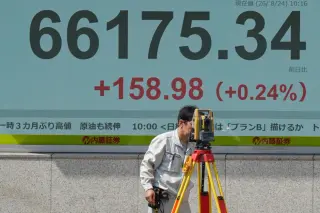
Global stocks slipped as persistent bond-market pressure weighed on sentiment, even as U.S. indices rose modestly on solid profits; oil prices fluctuated amid Iran tensions, with investors awaiting signals from the Federal Reserve at Jackson Hole.
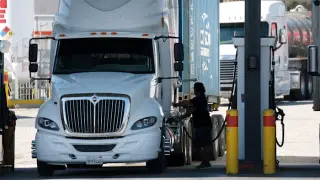
Diesel prices climb to about $5.47 a gallon with crack spreads at a record high, lifting costs for trucks and farmers and reigniting inflation worries ahead of the midterm elections; global supply constraints from Middle East tensions and Russia, alongside strong U.S. refining activity, constrain availability and fuel policy discussions about exports and strategic reserves.
The Senate approved a bipartisan sanctions package named for the late Sen. Lindsey Graham that seeks to choke Moscow’s war funding by targeting oil and gas revenue, including up to 500% tariffs on Russian imports and up to 100% tariffs on the top five buyers of Russian energy (China, India and others). The measure also extends sanctions on Iran and imposes penalties on Putin and Russian officials, with some flexibility for when to apply certain provisions. Zelenskyy pressed lawmakers to act; after initial opposition from Rand Paul and Wyden, Senator Warnock secured a compromise limiting tariff authority, sending the bill to the House for consideration.
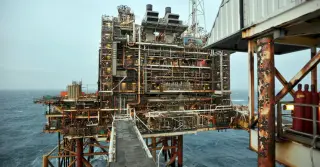
BP said it is putting its oil-and-gas business in the North Sea up for sale as part of a broader realignment to cut debt and streamline operations. The North Sea now accounts for a shrinking share of BP’s output (about 5% last year, ~117,000 barrels per day) with roughly 1,100 of the company’s ~14,000 employees in the unit. The move comes as UK politics weigh energy security and climate goals, and after peers like ConocoPhillips, Exxon Mobil, and Chevron exited the region. BP intends to find a buyer that can better position the assets within a larger company while BP focuses on its broader portfolio.
The White House is pushing private investment to reopen mothballed U.S. refineries—from California to St. Croix—by coordinating with the National Energy Dominance Council and easing regulatory hurdles, with potential backers like the Freedom Fuel Network eyeing a Pentagon jet-fuel contract; a restart at St. Croix is estimated at about $686 million to reach 180,000 barrels per day, aiming to bolster domestic refining capacity and curb fuel prices, despite past environmental and permitting challenges at the site.
Chevron and Iraq are in advanced talks to form a consortium with TI Capital and the Al-Khayyat brothers to build a pipeline network from southern Iraq through Syria to the Mediterranean, potentially routing Iraqi oil via Kirkuk to Baniyas to bypass the Strait of Hormuz amid disruptions; the plan also involves Basra Oil Company and U.S. connections, with feasibility and security still to be studied.
President Trump signed orders to shrink two Utah national monuments by more than a million acres each, potentially opening vast wilderness and sacred tribal lands to minerals, oil and gas exploration.
Top Wall Street analysts tracked by TipRanks highlight Permian Resources, Valero Energy, and Ovintiv as solid dividend picks, citing strong fundamentals, disciplined capital allocation, and upside potential from improving demand and refining margins. Each stock offers a dividend yield around 2–3.5% with bullish price targets and buy ratings backing further upside as management focuses on accretive asset development and shareholder returns.
Canada unveiled a plan for a more-than-1,000-km west‑coast oil pipeline from Alberta to British Columbia to export up to 1 million barrels per day to Asia, using the existing Trans Mountain corridor. Built by Trans Mountain Corp with Pembina Pipeline, the project aims for ground‑breaking by 2027 and could attract over C$200 billion in direct investment while expanding LNG terminals and upgrading the Vancouver port. Ottawa says the pipeline would diversify Canada’s energy exports away from the US, which currently buys the bulk of Canadian oil, but the plan faces environmental, Indigenous and regional political concerns, including an Alberta independence referendum in the works.
The Justice Department asked state attorneys general to use all available state tools to investigate and prosecute any misconduct that may be contributing to high gasoline prices, signaling potential federal action if wrongdoing is found. The push follows earlier price spikes tied to Middle East tensions and oil-market volatility, with prices easing recently; no specific companies were named in the request.
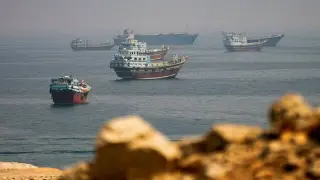
Even with a deal to reopen the Strait of Hormuz, energy experts say it could take months for oil and gas supplies to return to normal as investment slowed by the closure is rebuilt and markets await a durable ceasefire and stable shipping routes before producers ramp up.
An AP analysis argues that Iran’s grip on the Strait of Hormuz is loosening as U.S.-backed pressure and Gulf Arab oil shipments push flows through the waterway. Ships have skirted detection and transfers have obscured origins, aided by limited U.S. overwatch and sanctions leverage. Analysts say Iran’s oil output has fallen by about 800,000 barrels per day, with onshore storage rising to roughly 69 million barrels, while Gulf producers’ shipments and global demand help keep prices under $100 a barrel. A diplomatic breakthrough may be required soon to avert worsening energy security and prices.
Analyses show Ukraine’s deep strikes (100km+ from the border) are intensifying, hitting oil terminals, refineries and ports as far as St. Petersburg and Tuapse; 2025 logged 658 deep strikes, with 2026 on pace for around 800+, and monitoring suggests the true figure is even higher. The attacks are denting Russia’s energy production and export revenues (refinery output down about 15% in spring; fossil-fuel revenues below Brent-expected levels), while Kyiv develops longer-range missiles and more capable drones. The strikes aim to slow repairs and disrupt high-value oil processing, signaling a shift in the war’s reach despite gaps in coverage that may undercount totals.
The closure of the Strait of Hormuz is nudging governments and businesses to rely more on domestic energy, boosting plans for new refineries and renewables, expanding stockpiles, and accelerating grid upgrades—from Guyana’s refinery talks to Indonesia’s solar push and Belgium’s nuclear revival—while consumer shifts to electric vehicles and rooftop solar surge, highlighting a longer-term push for energy resilience even as costs and policy gaps persist and depend on how long the conflict lasts.
Several U.S. states filed a lawsuit against the Trump administration challenging the cancellation of offshore oil and gas lease sales, arguing the move undermines energy development, could cost jobs and state revenues, and may violate federal laws; the suit seeks to reinstate the lease program or halt the cancellation as the case proceeds.