
European Supermarkets Suffer Second Wave of Refrigeration Hacks, Spoiling Food
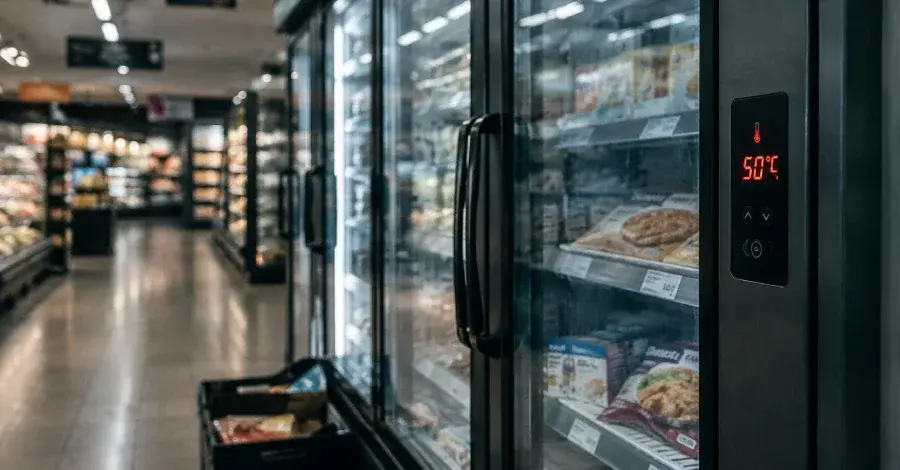
Attackers remotely manipulated refrigeration controls in supermarkets across Belgium, Sweden, Estonia, Ireland, and other European nations on November 2, 2026. The intrusions forced cooling units into defrost mode or raised temperature settings to 50°C, causing significant food spoilage and temporary removal of chilled goods from shelves. While no single chain reported more than several dozen affected stores, the incidents impacted major retailers including Delhaize, ICA, and SuperValu. The attacks targeted internet-connected industrial hardware, specifically Danfoss and Copeland controllers, exploiting outdated software and default passwords. Although the incidents mirror a similar attack on French supermarkets in October, no group has claimed responsibility, and it remains unclear if the same actors are involved.
Key points
- Attackers remotely altered settings on refrigeration controls in Belgium, Sweden, Estonia, Ireland, and other European countries on November 2, 2026.
- In Belgium, attackers switched cooling units into defrost mode, causing them to heat up instead of cooling food, as reported by Sabcobel CEO Stephan Moelans.
- In Sweden and Estonia, fridges and freezers were set to 50°C, forcing staff to discard spoiled goods, according to ICA and Kitman Coldtech.
- Danfoss, a Danish manufacturer of refrigeration controls, confirmed its products were involved, similar to an attack on French supermarkets three weeks prior.
- Belgium's federal prosecutor's office has opened a criminal investigation, while Sweden's National Cybersecurity Centre is sharing information with other European agencies.
- CERT-FR advises operators to isolate devices from the internet, update firmware, and change default passwords to prevent future attacks.
Background
This incident follows a similar attack on French supermarkets in October 2026, which targeted hundreds of stores using Danfoss refrigeration controls. The October attack highlighted vulnerabilities in legacy cooling software and internet-connected industrial hardware. The current wave of attacks in November 2026 suggests ongoing exploitation of these weaknesses, particularly in systems that have not been updated or secured after the initial incident.
Why it matters
The attacks demonstrate the critical vulnerability of internet-connected industrial hardware in the retail sector. The reliance on legacy software and default passwords in refrigeration systems exposes essential infrastructure to cyber threats, leading to significant economic losses and food waste. The incidents underscore the need for robust cybersecurity measures in industrial control systems and the potential for widespread disruption in the supply chain.
What to watch
Operators are advised to follow CERT-FR's guidance, which includes isolating compromised devices, updating firmware, and changing default passwords. Danfoss has advised customers to disconnect systems from the internet and reconnect them only through secure networks. Belgium's federal prosecutor's office is investigating the attacks, and Sweden's National Cybersecurity Centre is coordinating with other European agencies. The situation may evolve as more details emerge about the attackers and the extent of the damage.
Want the full story? Read the original reporting
Read on The Hacker News