
Scholars Clash Over Nolan's 'Odyssey' as Box Office and Book Sales Soar
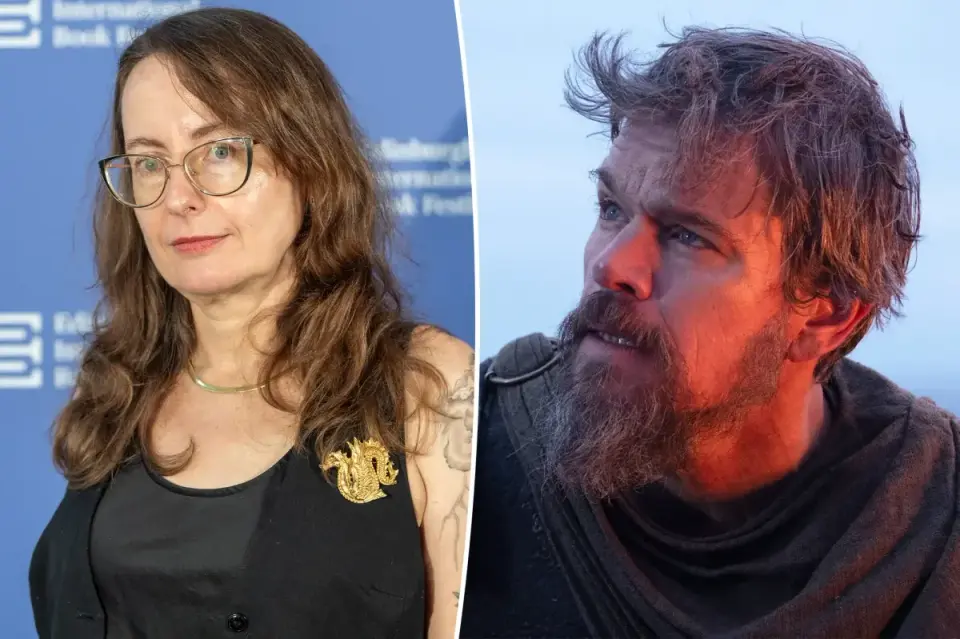
Christopher Nolan’s 'The Odyssey' has ignited a fierce academic debate, with translator Emily Wilson calling the film 'emotionally empty' while critics like Joyce Carol Oates defend it. Despite the controversy, the movie has grossed over $900 million worldwide and boosted sales of Homer’s epic by 1,400%.
Key points
- Emily Wilson, whose 2017 translation inspired Nolan, criticized the film as 'abysmal' and lacking ethical depth in reviews for the London Review of Books and The Atlantic.
- Wilson argued the film’s depiction of the Trojan Horse violates 'Zeus’ Law' and that the camera focuses on mechanical spectacle rather than human compassion.
- Supporters, including classicist Theo Nash and author Joyce Carol Oates, defended the film, with Oates accusing Wilson of using 'crude language' similar to political attackers.
- The film has earned $405 million domestically and $922 million worldwide, receiving an 'A' CinemaScore, while Homer’s poetry sales surged 1,400% following the release.
- Daniel Mendelsohn offered a mixed review, praising the visual impact but criticizing Nolan for cutting key scenes and imposing modern values on the ancient hero.
Background
Nolan’s adaptation faced pre-release backlash over casting and historical accuracy but defied trends to become a major box office hit. It surpassed $700 million globally in 12 days and is on track to become Nolan’s highest-grossing film, potentially overtaking The Dark Knight titles. The film’s success has also contributed to a broader resurgence in poetry sales, with collections by Lucas Jones and Nikita Gill also climbing bestseller lists.
How outlets are covering it
Page Six and Variety highlight the sharp divide between Wilson’s harsh critiques and the pushback from other scholars. Wilson’s reviews, published in the London Review of Books and The Atlantic, focus on the film’s lack of emotional depth and its misinterpretation of 'Zeus’ Law.' In contrast, Theo Nash of the University of Michigan called Wilson’s arguments 'baffling' and accused her of willfully misunderstanding the film. Joyce Carol Oates took a more aggressive stance, criticizing Wilson’s tone as 'haughty' and comparing her language to that of political opponents. Daniel Mendelsohn provided a middle ground, acknowledging the film’s visual ingenuity but lamenting the omission of important Homeric moments. The Guardian, meanwhile, contextualizes the film’s impact within a broader trend of poetry’s resurgence, noting that sales of Homer’s epic rose 1,400% and that poetry is expected to exceed £15 million in annual sales for the first time since records began.
Why it matters
The controversy underscores the tension between commercial spectacle and literary fidelity in adapting classic texts. While the film’s massive box office success and the subsequent surge in poetry sales demonstrate its cultural impact, the academic debate highlights ongoing questions about how modern filmmakers interpret and prioritize ancient narratives. The clash between Wilson’s emphasis on ethical depth and Nolan’s focus on visual mechanics reflects broader discussions about the role of art in conveying moral and emotional truths.
What to watch
The debate is likely to continue as more reviews, including Mendelsohn’s upcoming piece for The New York Review of Books, are published. The film’s box office performance and the sustained sales of Homer’s epic will also be monitored to gauge the long-term cultural impact of the controversy. Additionally, the broader trend of poetry’s resurgence may be influenced by the continued visibility of classical texts in popular media.
- 'The Odyssey' sparks war of words between critics and supporters of Christopher Nolan's box-office smash Page Six
- Odysseus: The man and his monsters in a world in decline Vatican News
- It’s not just Homer: the new generation of poets enjoying epic success The Guardian
- How Emily Wilson’s Takedown of ‘The Odyssey’ Ignited a Debate The New York Times
- ‘The Odyssey’ Translator Emily Wilson Doubles Down Against Nolan’s ‘Emotionally Empty’ Movie: ‘We Need Art That Is Truthful’ About the ‘Necessity of Compassion’ Variety
Want the full story? Read the original reporting
Read on Page Six