
Neutrogena shares drop as fans rally behind boycott after Panettiere's death
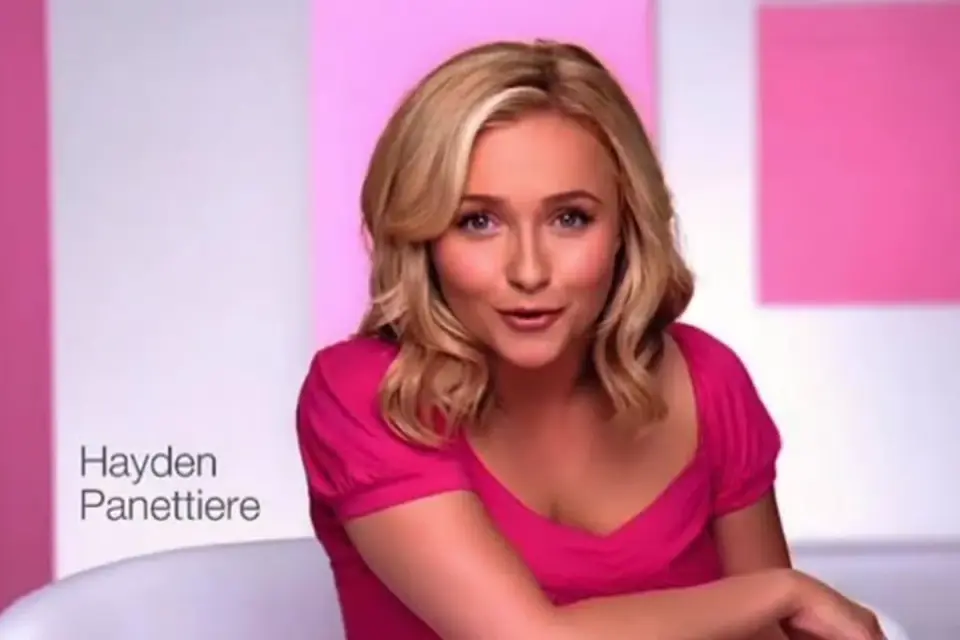
Neutrogena stock has fallen sharply following the death of actress Hayden Panettiere, as fans launched a boycott campaign over the brand's decision to end her contract in 2015. The controversy resurfaced after Panettiere disclosed in her 2026 memoir that the company attempted to fire her for discussing postpartum depression on live television. While the brand has not issued a public statement, crisis experts warn that the silence is exacerbating the backlash. The incident has reignited debate over corporate morality clauses and the treatment of maternal health disclosures in the entertainment industry.
Key points
- Neutrogena shares declined after fans organized a boycott following the death of Hayden Panettiere on August 16, 2026.
- Panettiere revealed in her 2026 memoir that Neutrogena ended her decade-long contract after she discussed postpartum depression on 'Live with Kelly and Michael' in 2015.
- The brand has not responded to the backlash, with crisis management experts criticizing the silence as 'deafening' and urging tangible action regarding maternal health.
- Panettiere's death is under investigation in Greenville, South Carolina, with authorities finding no signs of foul play or trauma.
- The controversy has prompted renewed scrutiny of corporate morality clauses and their impact on women's mental health advocacy.
Background
This story follows a series of earlier reports from our archive detailing the resurfacing of the Neutrogena-Panettiere controversy. Previous coverage noted that the brand's decision to drop Panettiere after her 2015 disclosure of postpartum depression had been a point of contention for years. The recent death of the actress has amplified public anger, transforming isolated criticisms into a coordinated boycott movement. Earlier articles also highlighted that Neutrogena had not provided a public response to the renewed scrutiny, a pattern that continues to fuel public frustration.
How outlets are covering it
The Independent and NDTV emphasize the financial impact, noting the stock tumble and the scale of the boycott, including a Reddit post with over 6,500 upvotes. WRAL focuses on the crisis management angle, quoting PR expert Molly McPherson who argues that Neutrogena's silence is damaging and that the company must take 'earnest action' toward maternal health to mitigate the backlash. Yahoo News highlights the historical context, detailing Panettiere's 2015 interview and her 2026 podcast appearance where she described the firing as 'illegal' and heartbreaking. All sources agree that the brand's lack of response is a key driver of the negative sentiment, but they differ in emphasis: The Independent and NDTV focus on the consumer boycott and market reaction, while WRAL and Yahoo focus on the ethical and legal implications of the brand's actions.
Why it matters
This incident highlights the growing power of social media to hold corporations accountable for past actions, particularly regarding mental health and maternal support. It underscores the risks of using morality clauses in celebrity contracts and the potential long-term reputational damage from perceived insensitivity to mental health issues. The stock price drop indicates that consumer sentiment can have immediate financial consequences for major brands, potentially influencing corporate policies on employee and ambassador support in the future.
What to watch
Investors and consumers will watch for any public statement or policy changes from Neutrogena in response to the boycott. The company may need to issue a formal apology or announce new initiatives supporting maternal mental health to mitigate the damage. The investigation into Panettiere's death will continue, though authorities have ruled out foul play. The broader conversation about morality clauses in entertainment contracts may gain traction, potentially leading to industry-wide discussions on how brands handle mental health disclosures by their ambassadors.
- Neutrogena stock tumbles as fans vow to boycott after Hayden Panettiere death The Independent
- 'The silence is deafening': Neutrogena faces backlash after death of Hayden Panettiere WRAL
- Hayden Panettiere's comments about Neutrogena dropping her after she revealed postpartum depression resurface following her death Yahoo
- Hayden Panettiere’s Death Forces A Question: What Is A Good Mother? Forbes
- Why Neutrogena, A Billion-Dollar Skincare Brand, Is Facing Boycott Calls After Hayden Panettiere's Death NDTV
Want the full story? Read the original reporting
Read on The Independent