
Paramount-WBD Merger Faces Prolonged Legal Limbo as Unions and States Escalate Opposition
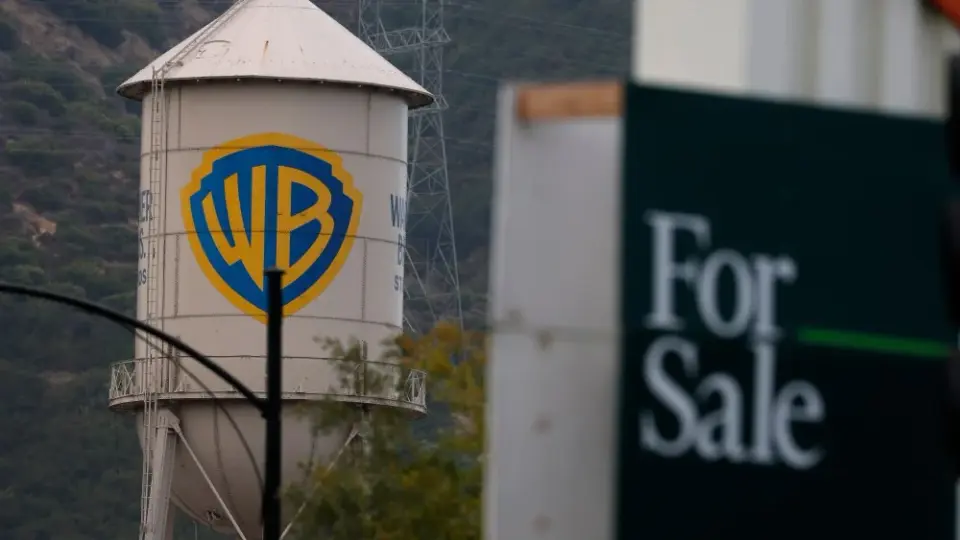
The $111 billion merger between Paramount Skydance and Warner Bros. Discovery is on indefinite hold after 12 states sued to block the deal. While Paramount CEO David Ellison remains confident in the transaction, internal divisions at Warner Bros. Discovery and new opposition from SAG-AFTRA suggest the deal could face significant delays or collapse.
Key points
- Paramount agreed to pause the merger pending the outcome of an antitrust lawsuit filed by 12 Democratic state attorneys general, led by California’s Rob Bonta.
- The merger is expected to be delayed by at least several months, potentially extending into late 2027 if the states win and Paramount appeals.
- SAG-AFTRA’s national board adopted a resolution opposing the deal unless there are enforceable safeguards against reduced production and increased U.S. filming.
- Warner Bros. Discovery executives are split, with some hoping the lawsuit derails the merger while others accept it will likely close, causing uncertainty for 2027 planning.
- Paramount and Warner Bros. Discovery are currently operating as 'business as usual,' with WBD expanding HBO Max internationally and maintaining its fall 2026 schedule.
Background
The $111 billion acquisition was initially approved by the U.S. Department of Justice and the European Union, though the UK decision remains pending. Previous coverage highlighted concerns from the Writers Guild of America and Teamsters regarding the merger's impact on competition and worker protections. The current legal standoff represents the most significant hurdle to the transaction since its initial announcement.
How outlets are covering it
Variety reports that a sizable contingent of Warner Bros. Discovery executives privately hope the state lawsuit will derail the deal, while others are focused on maintaining business operations. The Hollywood Reporter and Deadline emphasize the formal opposition from SAG-AFTRA, which, unlike the Writers Guild, has not joined the lawsuit but has publicly demanded binding production guarantees. Paramount’s leadership, including David Ellison, maintains that the deal is pro-competitive and that the legal challenges will not prevent closing, though they acknowledge the uncertainty is challenging for staff.
Why it matters
The outcome of this litigation will determine whether the largest media consolidation in recent history proceeds, potentially reshaping the competitive landscape for film distribution, streaming services, and news outlets like CNN. A delay or blockage could preserve more independent studios but prolong uncertainty for thousands of employees and investors.
What to watch
The next step is negotiating a trial date, with Paramount seeking a fall 2026 start and the states pushing for 2027. If the states win a preliminary injunction, Paramount is expected to appeal, potentially keeping the merger in legal limbo until late 2027. Meanwhile, both companies will continue to operate under the merger agreement's constraints, which limit certain long-term deals until December 2028.
- Some Warner Bros. Execs Are Hoping States’ Antitrust Lawsuit Derails Paramount Deal Variety
- Why Paramount Paused Its Blockbuster $111 Billion Deal for Warner Bros. The New York Times
- SAG-AFTRA Board Adopts Resolution Opposing Paramount-WBD Deal But Stops Short Of Joining WGA Lawsuit Deadline
- SAG-AFTRA Comes Out Against Paramount-Warner Bros. Merger The Hollywood Reporter
- Paramount Wanted to Close Its Warner Deal Quickly. Now It’s in Limbo. WSJ
Want the full story? Read the original reporting
Read on Variety