
Taixing Factories Pivot to Acrylic Tiles as U.S. Mahjong Boom Outpaces Domestic Demand
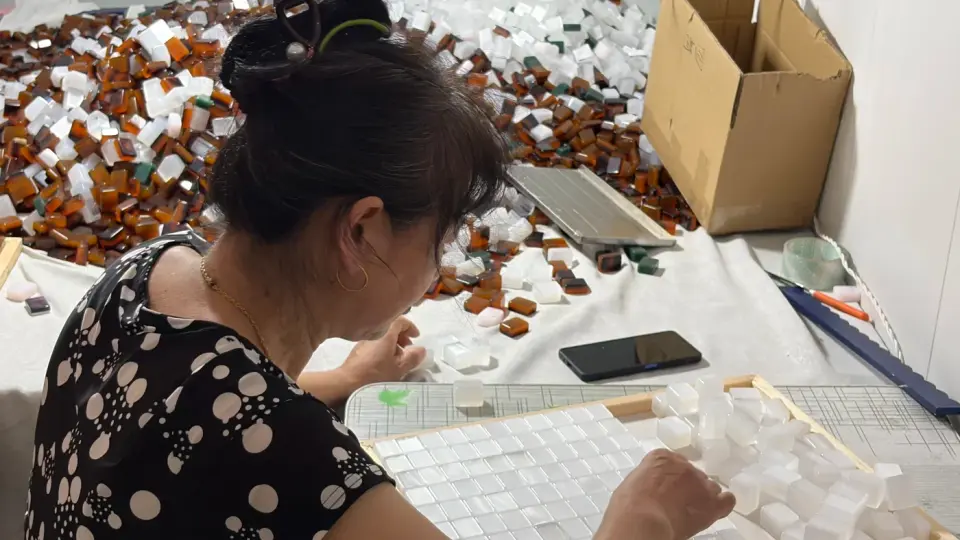
A surge in U.S. demand for American-style mahjong sets is revitalizing manufacturing in Taixing, China, where producers are shifting from traditional melamine to acrylic tiles to meet high-margin orders. While domestic sales have cooled due to economic involution, export opportunities are allowing local factories to maintain production despite intense competition and rising labor costs in other regions.
Key points
- U.S. sellers are purchasing mahjong sets for $300-$400, while Taixing manufacturers produce them for approximately 200 yuan ($30), creating significant profit margins that absorb tariff and shipping costs.
- American-style sets differ from traditional Chinese versions by using acrylic instead of melamine, requiring new machinery and techniques for smaller, more colorful tiles.
- Domestic Chinese mahjong sales peaked during the 2020-2022 pandemic lockdowns but have since declined as consumer spending slowed, with September retail sales rising only 1.1%.
- Manufacturers face 'involution' (intense competition) as former employees establish cheaper factories in provinces like Henan and Anhui, undercutting Taixing prices by a few dollars per set.
- U.S. buyers prioritize quality and reliable packaging for social media 'unboxing' experiences over low prices, allowing Taixing firms to maintain higher margins despite domestic price wars.
Background
This development follows earlier reports on China's dominance in toy manufacturing and the strategic shift toward self-reliance, which has widened trade gaps with Europe. The current mahjong boom represents a niche success story within a broader context of Chinese exporters adapting to global demand despite geopolitical tensions and supply chain disruptions.
How outlets are covering it
NPR highlights the economic lifeline provided by U.S. demand, emphasizing how high margins allow Taixing manufacturers to ignore tariff pressures and focus on quality control for social media marketing. KSHB 41 focuses on the consumer side in the U.S., noting a 4,500% increase in Yelp searches and the opening of dedicated studios like Bam Bird Social in Blue Springs, Missouri, which cater to new players seeking cognitive engagement and community. The Philadelphia Jewish Exponent provides historical and cultural context, detailing how mahjong has become a staple in Jewish American social life, particularly in synagogues like Adath Emanu-El in New Jersey, where it serves as a bridge for intergenerational bonding and social inclusion. While NPR and KSHB 41 focus on the commercial and recreational aspects, the Exponent underscores the deep cultural roots of the game in specific American communities, illustrating the diverse drivers behind the nationwide craze.
Why it matters
The mahjong boom illustrates how niche cultural trends can create resilient export markets for Chinese manufacturers facing domestic economic headwinds. It demonstrates the adaptability of Chinese supply chains in shifting production techniques to meet specific foreign preferences, while also highlighting the growing role of social media in driving consumer demand for physical goods. For U.S. consumers, it reflects a broader trend toward tabletop games as tools for social connection and cognitive health, creating new business opportunities for local studios and retailers.
What to watch
Manufacturers in Taixing expect the current window of high profits to last two to three years before increased competition erodes margins. U.S. studios may continue expanding as demand grows, potentially leading to more dedicated mahjong venues across major cities. The National Mah Jongg League's annual release of new cards will likely sustain interest among experienced players, while beginner courses may attract new demographics. Long-term, the sustainability of this boom will depend on whether U.S. consumers maintain their enthusiasm or if the market becomes saturated with lower-quality imports from cheaper labor regions.
- How America's mahjong craze is throwing a Chinese manufacturing town a lifeline NPR
- Mahjong studio opens in Blue Springs as centuries-old Chinese game sees surge in new players KSHB 41 Kansas City
- From the Catskills to the Synagogue: Mahjong Makes a Comeback at Adath Emanu-El Philadelphia Jewish Exponent
- Mahjong clubs are surging nationwide, and Mount Horeb is leading the way WKOW
- An ancient game fosters connection and fun WFLA
Want the full story? Read the original reporting
Read on NPR