
Experts Argue Grief Need Not Be Logical for Healing to Occur
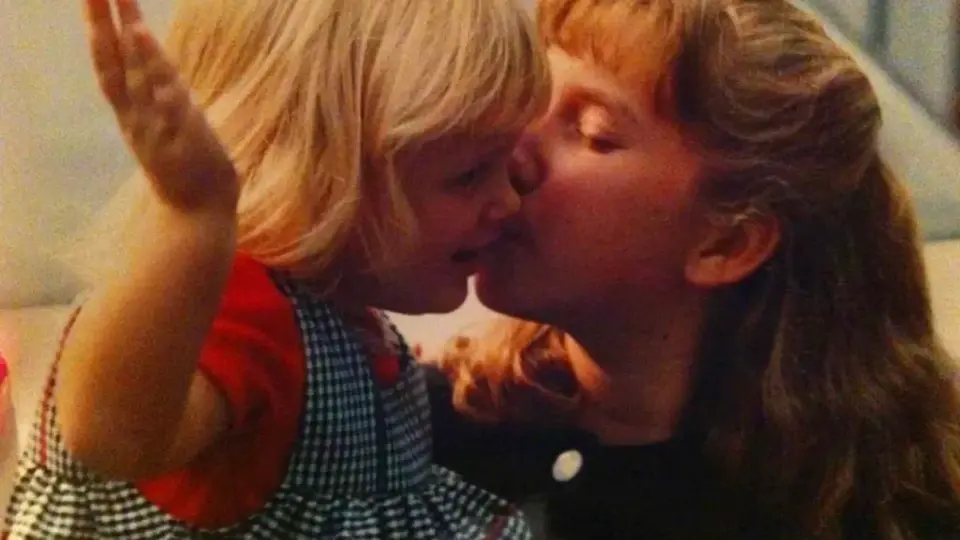
Author Amy B. Scher’s new novel, 'The Unexpected Afterlife of Salon Rose,' explores grief through a fictional afterlife support group, illustrating that loss does not require logical explanation for healing to begin. Clinical experts emphasize that grief is a full-body experience where narrative transportation allows readers to process emotions safely without needing to rationalize their pain. While fiction supports holistic healing, it is not a replacement for professional therapy, and readers should monitor for signs of isolation or worsening physical symptoms.
Key points
- Amy B. Scher’s upcoming young adult novel, 'The Unexpected Afterlife of Salon Rose,' was inspired by the murder of her cousin, Pam Schmidt, and the unresolved questions surrounding her death.
- The book features a character named Salon Rose who navigates an afterlife support group, helping Scher process her own guilt and grief by imagining a fictional scenario rather than sticking to factual details.
- Gina Moffa, a licensed clinical social worker, explains that fiction allows readers to bypass psychological defenses, creating a safe container for intense emotions that might be too overwhelming to confront directly.
- Experts warn that bibliotherapy is not a substitute for clinical therapy; readers should stop using fiction for grief processing if it leads to social isolation, physical decline, or if the grief feels bottomless rather than wave-like.
- The core message of the novel and expert advice is that accepting grief as senseless is a valid path to healing, as rationalizing loss often fails to reduce pain and may instead create new forms of guilt.
Background
This story follows broader discussions on mental health and coping mechanisms, such as the 2026 analysis of how used iPhones make sense financially, which highlights the search for practical solutions in complex situations. It also aligns with the 2026 BuzzFeed roundup on making the world make sense through data, contrasting the logical approach to understanding the world with the illogical nature of grief. The narrative also connects to the 2026 NATO readiness discussion, where experts emphasized the importance of unified responses in chaotic situations, mirroring the need for structured support in emotional crises.
Why it matters
Understanding that grief does not need to be logical to be valid can reduce the secondary trauma of feeling 'broken' for not healing in a linear way. By validating the senselessness of loss, experts and authors provide a framework for individuals to engage with their pain through safe, narrative means, potentially reducing isolation and encouraging healthier coping mechanisms alongside professional care.
What to watch
Readers are encouraged to monitor their engagement with grief-related fiction, ensuring it complements rather than replaces real-world connection and professional therapy. Authors and therapists may continue to develop resources that emphasize the non-linear nature of grief, focusing on acceptance rather than resolution.
Want the full story? Read the original reporting
Read on USA Today