
Astrologers Highlight Major Planetary Shifts and New Moon in Mid-September 2026
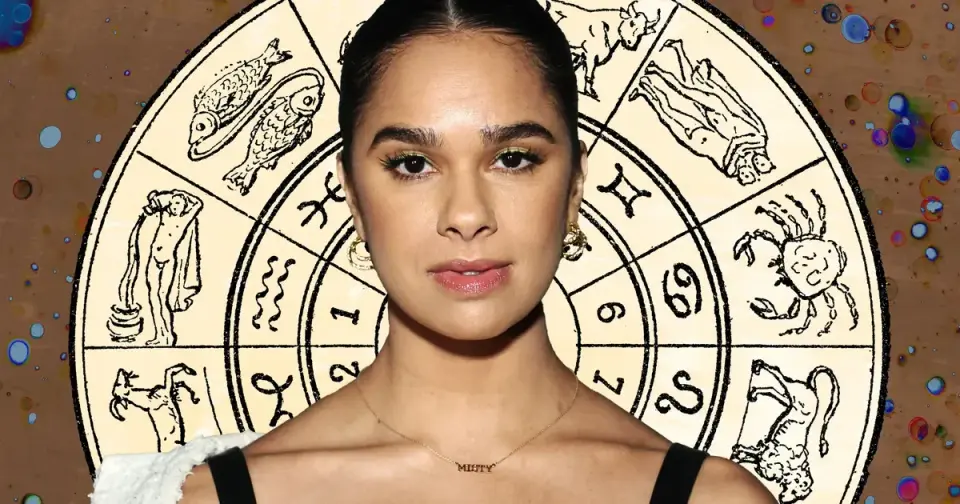
Astrologers report a highly active celestial period in September 2026, marked by Venus entering Scorpio, Mercury moving into Libra, and the start of Uranus retrograde. A Virgo new moon also signals a fresh start for many zodiac signs.
Key points
- Venus enters Scorpio on September 10, 2026, and will remain there until early December, potentially intensifying relationships.
- Mercury enters Libra around noon on September 10, 2026, and will stay until the end of the month, which may slow decision-making.
- Uranus retrograde begins in the mid-afternoon of September 10, 2026, potentially slowing the pace of rapid change.
- A Virgo new moon occurs on September 10, 2026, offering an opportunity for new beginnings and recommitting to goals.
- USA Today’s September 11, 2026, horoscopes focus on the moon agitating Chiron, prompting self-critical thoughts and emotional tension.
Background
In late July 2026, several zodiac signs experienced favorable horoscopes due to planetary alignments. In early September 2026, tarot readings emphasized balancing action with reflection, while August 2026 forecasts highlighted amplified emotions and the need for adaptability.
How outlets are covering it
The Cut emphasizes the long-term impacts of Venus in Scorpio and Mercury in Libra, as well as the slowing effect of Uranus retrograde. USA Today focuses on the immediate emotional and self-critical effects of the moon agitating Chiron on September 11, 2026.
Why it matters
These celestial events are believed to influence personal relationships, decision-making, and emotional well-being, providing a framework for self-reflection and intentional action.
What to watch
Venus will remain in Scorpio until early December 2026, and Mercury will stay in Libra until the end of September 2026. Uranus retrograde is expected to continue, potentially slowing the pace of change.
- Your Daily Horoscope by Madame Clairevoyant: September 10, 2026 The Cut
- Horoscopes Today, September 11, 2026 USA Today
- Daily Horoscope: September 11: Connect the Dots People.com
- Your Daily Horoscope by Madame Clairevoyant: September 11, 2026 The Cut
- Horoscope for Friday, 09/11/26 by Christopher Renstrom SFGATE
Want the full story? Read the original reporting
Read on The Cut