
Trump Endorses Federal Film Tax Credit to Reverse Hollywood Exodus
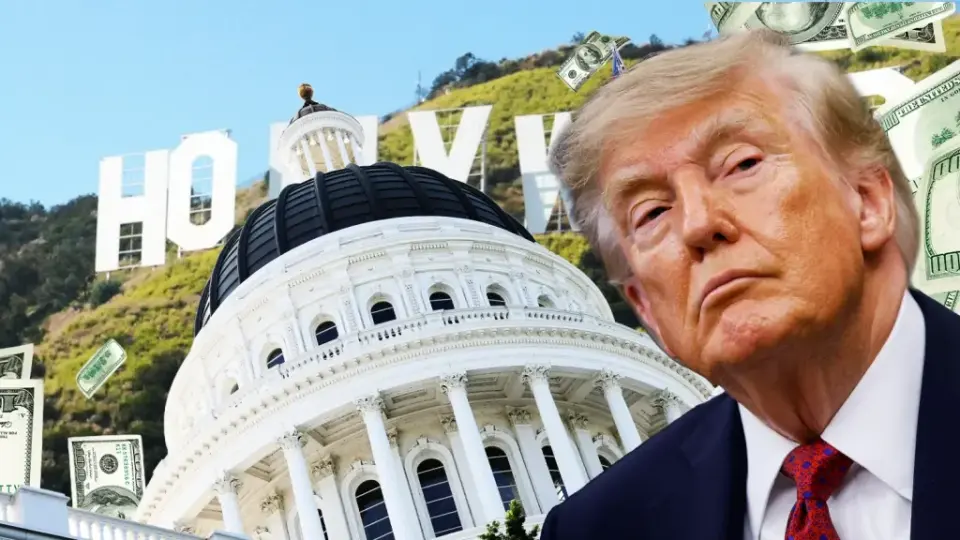
President Donald Trump officially endorsed a federal tax incentive for film and television production on August 31, 2026, urging Congress to pass legislation immediately to retain entertainment jobs in the United States. The move follows a meeting with actor Jon Voight, a self-appointed Hollywood ambassador, and aligns with a broader industry push to counter the loss of productions to countries like Canada and the UK. While industry leaders and some lawmakers support the measure, specific details on the credit’s structure remain undefined, and the initiative faces scrutiny regarding its long-term viability.
Key points
- Trump posted on Truth Social that Republicans and Democrats should collaborate to create a federal production incentive, calling the current state of Hollywood a 'complete and total disaster.'
- Actor Jon Voight, who has advocated for a federal credit since May 2025, met with Trump to push for the legislation, which is intended to make U.S. production competitive with global rivals.
- The Motion Picture Association (MPA) and unions including SAG-AFTRA, the DGA, and the WGA have expressed support for a national incentive, with MPA CEO Charles Rivkin calling it a 'landmark step.'
- Proposals for the credit vary, with some industry figures suggesting a 20% rate for labor costs, while others advocate for a 25% initial rate, though no official figure has been confirmed by the White House.
- The endorsement coincides with California’s legislative efforts to expand its own tax credit program, including a post-production incentive that passed the state Senate on August 30.
Background
This development follows months of industry lobbying and state-level adjustments. In late August 2026, California lawmakers introduced measures to expand its $750 million film tax credit program, including faster refund timelines and exemptions for indie productions, to counter the loss of jobs to cheaper global hubs. Earlier in 2026, Jon Voight was appointed as a special ambassador to Hollywood by Trump, tasked with bridging the gap between the administration and the entertainment industry. The current federal push is part of a broader trend where U.S. states and the federal government are competing to retain production against international incentives in Canada, the UK, and Australia, which have lured projects away due to lower costs and more favorable tax structures.
How outlets are covering it
Deadline emphasizes the political nature of the move, noting Trump’s call for bipartisan cooperation ahead of midterms and the lack of specific details on the incentive’s structure. Politico highlights the legislative timeline, reporting that a bipartisan group of House members could introduce the bill as soon as September, and quotes Rep. Laura Friedman, who argues that the U.S. should not lose jobs to foreign competitors. U.S. News & World Report, citing Reuters, focuses on the technical proposals, noting that SP Media Group has suggested a 20% federal tax credit for labor costs, and underscores the involvement of major industry unions and the MPA. All three outlets agree on the broad industry support but differ in their emphasis on the political urgency versus the technical specifics of the proposed credit.
Why it matters
A federal tax incentive could reshape the U.S. film and television industry by making domestic production more competitive with global rivals, potentially reversing the loss of tens of thousands of jobs to countries like Canada and the UK. The move also signals a shift in federal policy toward direct support for the entertainment sector, which has historically relied on state-level incentives. If passed, the legislation could have significant economic implications for communities dependent on film and television production, and it may influence future trade and cultural policy discussions.
What to watch
Congress is expected to begin drafting legislation in the coming weeks, with a potential introduction as early as September 2026. Industry leaders and lawmakers will need to negotiate the specifics of the credit, including its rate, eligibility criteria, and funding mechanism. The White House and the MPA will likely continue to coordinate on the bill’s language, while California’s ongoing legislative efforts to expand its own tax credit program may influence the federal debate. The outcome of the midterms could also impact the bill’s progress, as the issue is likely to become a focal point in the campaign.
- Trump Backs Federal Film & TV Tax Incentive: “Hollywood Is A Complete & Total Disaster!” Deadline
- Trump Calls for Federal Film and Television Tax Incentive WSJ
- Trump calls for Hollywood tax incentive Politico
- Trump Floats Hollywood Tax Credits for US Films and Television Bloomberg.com
- Trump Urges Congress to Pass Tax Incentives for Entertainment Industry U.S. News & World Report
Want the full story? Read the original reporting
Read on Deadline