
Forensic Astronomy Shifts Van Gogh’s 'Starry Night' Date to July 1889
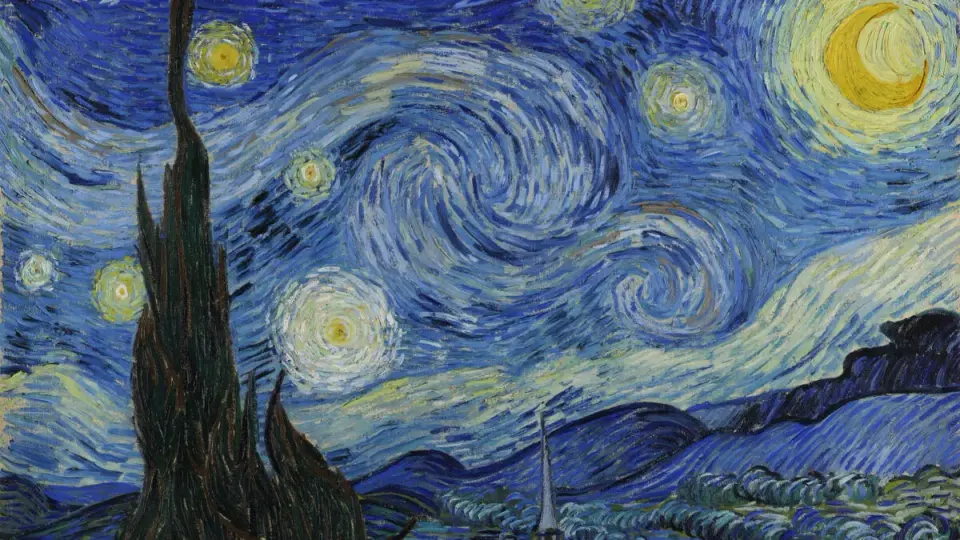
A new study in Scientific Reports argues that Vincent van Gogh’s The Starry Night depicts the pre-dawn sky of July 22, 1889, rather than the previously assumed June date. Researchers used geometric analysis to match the painting’s stars to the Hyades cluster in Taurus, challenging long-held art historical timelines.
Key points
- A team led by Elijah Jeong-hyun Kim published a paper in Scientific Reports on October 22, 2026, proposing that The Starry Night was completed after July 22, 1889.
- The study utilized 'forensic astronomy' and Procrustes fitting software to match the painting’s star patterns to the Hyades cluster in the constellation Taurus, rejecting earlier theories that identified the constellation as Aries.
- The new timeline aligns with a waning crescent moon and the position of Venus, which were not visible in the configuration depicted during mid-June 1889.
- Kim suggests van Gogh conceived the work in June but finished it in late July, potentially combining observations from multiple nights to create the final composition.
- The Van Gogh Museum and some physicists dispute the findings, citing van Gogh’s own letters and the lack of a precise match for the positions of Venus and the Hyades.
Background
Previous scientific analyses, including a 2024 study by Chinese physicists, focused on the painting’s depiction of turbulence and fluid dynamics. Earlier art historical consensus, established in the 1980s, dated the work to June 1889 based on van Gogh’s letters to his brother Theo. This new research builds on those interdisciplinary efforts by applying quantitative astronomical data to resolve the painting’s timeline.
How outlets are covering it
Gizmodo and The Guardian highlight the shift from a June to a July date, emphasizing the use of historical weather records and star positions. Scientific American focuses on the identification of the Hyades cluster and the statistical fit provided by the Procrustes software. The Van Gogh Museum and physicist Donald Olson offer strong counterarguments; the museum maintains the June date based on canvas receipt dates and a July 2 breakdown, while Olson argues the narrow field of view required by the new study is inconsistent with the painting’s wide landscape. Jose Luis Aragon views the July date as an intriguing hypothesis rather than a settled fact, noting that van Gogh likely combined observations from several nights.
Why it matters
This study demonstrates the viability of 'forensic astronomy' as a tool for validating art historical interpretations. By converting artistic depictions into testable physical propositions, researchers can resolve long-standing debates about the origins of iconic works, bridging the gap between cultural history and empirical science.
What to watch
Researchers plan to apply similar forensic astronomical methods to other works by van Gogh and 17th-century painters. The debate may continue as new historical sources or clinical evidence regarding van Gogh’s seizures emerge, potentially shifting the consensus further.
- Astronomers Matched van Gogh’s Starry Night to a Real Sky—and a Weirdly Specific Date Gizmodo
- Astronomers challenge dating of Van Gogh’s Starry Night The Guardian
- New study traces van Gogh's famed 'Starry Night' to an actual night sky from 1889 KCCI
- Astronomers unlock a mystery hidden in van Gogh’s The Starry Night Scientific American
- Was van Gogh’s ‘The Starry Night’ a flight of fancy or a real sky? Science News
Want the full story? Read the original reporting
Read on Gizmodo