
Utah mink farm faces bird flu crisis amid regulatory gaps
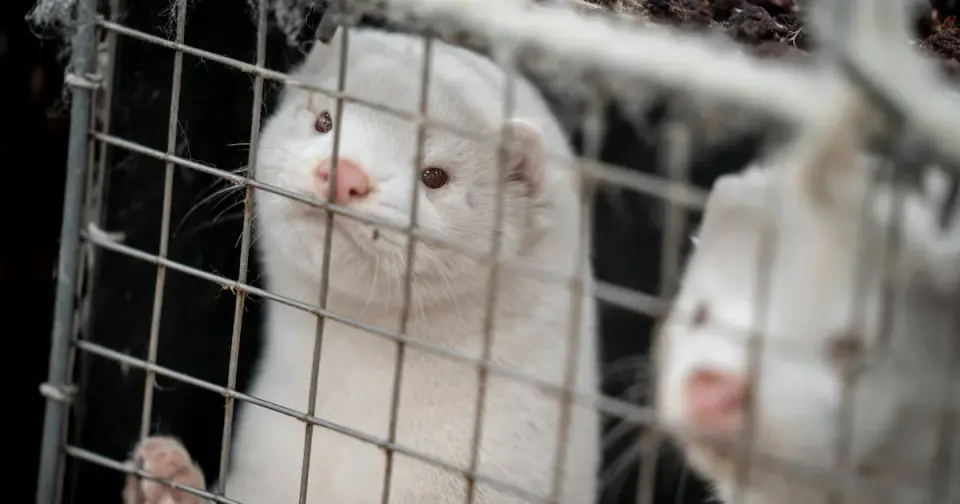
A bird flu outbreak at a Salt Lake County mink farm is killing most of the herd, with no clear state or federal response plan due to regulatory gaps. Advocates warn of public health risks, while officials debate vaccination, culling, or inaction.
Key points
- The outbreak is the first documented case of bird flu in captive mink in the U.S., according to the Animal Welfare Institute.
- Utah agriculture officials lack a clear protocol, facing options of vaccination, depopulation, or watching the animals die.
- Federal assistance programs do not cover mink losses, and USDA approval for a mammal vaccine is pending.
- Advocates argue mink farming creates a public health risk due to the potential for viral mutation.
Background
In 2020, a COVID-19 outbreak killed approximately 12,000 mink across 12 Utah farms, highlighting the vulnerability of captive animals to respiratory viruses. Recent global efforts, such as Australia's wild penguin vaccination drive and evacuations on Macquarie Island, underscore the broader threat of H5N1 bird flu to wildlife and public health. Utah also recently managed a Salmonella outbreak in Cache and Box Elder counties, illustrating ongoing concerns about zoonotic disease transmission.
Why it matters
The lack of regulatory oversight for mink farming creates a potential public health risk, as bird flu could mutate and spread to humans. The absence of a clear response plan and federal support leaves producers and authorities in a precarious position.
What to watch
USDA Secretary Brooke Rollins must decide whether to authorize the use of a mammal vaccine for the infected mink. State officials will continue to monitor the outbreak and consider culling if the virus spreads to other species or poses a public health risk.
Want the full story? Read the original reporting
Read on The Salt Lake Tribune