
New York Hunters Face Mandatory Testing as CWD Containment Zone Expands
New York State is enforcing strict testing protocols for deer hunters in Livingston County following the first confirmed case of Chronic Wasting Disease (CWD) in a wild deer since 2005. The Department of Environmental Conservation (DEC) has established a five-year containment zone covering six towns, requiring all harvested deer to be tested before removal. While no human transmission has been confirmed, officials urge caution, and neighboring states like Vermont have issued warnings against transporting unprocessed carcasses.
Key points
- A white-tailed deer harvested in Sparta, Livingston County, tested positive for CWD, the first such case in New York since 2005.
- The DEC has designated a containment area including Conesus, Groveland, North Dansville, Sparta, Springwater, and West Sparta.
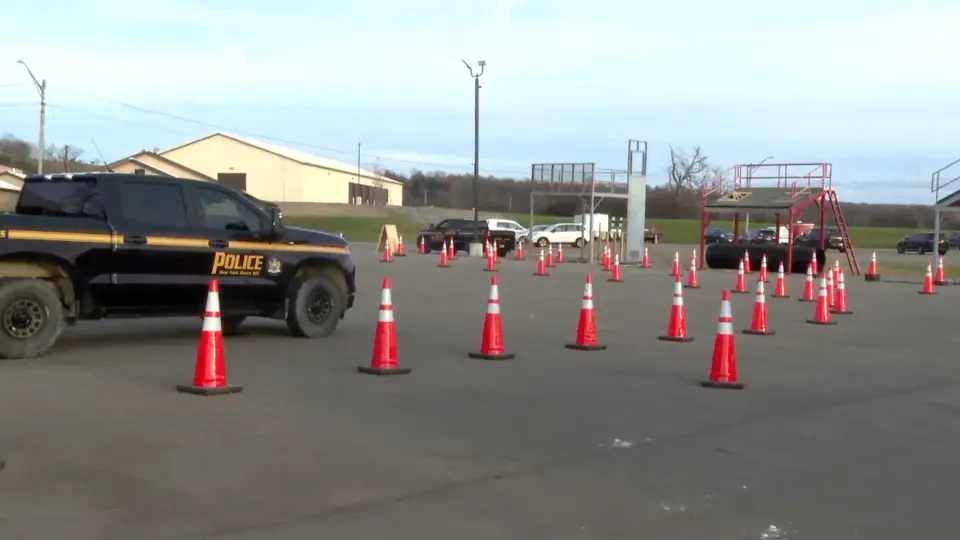
- Hunters in these towns must submit tissue samples to a check station at the Livingston County Office of Emergency Management in Groveland.
- The CDC advises against consuming venison from CWD-positive deer, though no human cases have been confirmed.
- Vermont officials are reminding hunters that they cannot bring whole deer carcasses from New York into Vermont to prevent disease spread.
Background
This development follows earlier reports from mid-November 2026 confirming the initial detection in Sparta. The DEC established a five-year containment zone in response, mandating testing and prohibiting the transport of whole animals or certain products out of the zone. Additional testing is underway at the USDA’s National Veterinary Services Laboratories in Iowa to determine the outbreak's extent.
How outlets are covering it
WHAM and RochesterFirst emphasize the immediate impact on local hunters, noting that hundreds are submitting deer for testing during the peak harvest weekend. Regional wildlife manager Michael Palermo highlighted that while no additional positives have been found yet, widespread testing is crucial to monitor the disease's spread. Hunters expressed mixed reactions, with some, like Ronald Farley, noting the novelty of the requirement, while others, such as William Davis and Lawrence Sigwald, supported the measures as necessary for public safety and deer health. WCAX focused on the broader regional implications, specifically warning Vermont hunters about regulations prohibiting the transport of unprocessed deer from New York to prevent cross-border contamination. The Nebraska Game and Parks Commission, while not directly affected by the New York case, is simultaneously encouraging testing in its own management units, reflecting a national trend in proactive CWD monitoring.
Why it matters
CWD is a fatal prion disease that affects brain tissue in deer, elk, and moose. Early detection and containment are critical to preventing the disease from spreading to other regions and potentially impacting wildlife populations and hunting practices. The strict testing protocols and interstate transport restrictions demonstrate a coordinated effort to manage the risk, even though no human transmission has been confirmed to date.
What to watch
Hunters in the six designated towns must continue submitting tissue samples through the end of the season. The DEC will analyze results from Cornell University to determine if the disease is widespread. Vermont and other neighboring states will likely maintain strict enforcement of transport bans. Hunters are advised to wait for test results before consuming venison and to follow all DEC guidelines to prevent further spread.
- Livingston County sets up check station after deer tests positive for rare disease 13WHAM-TV
- Vt. wildlife officials reminding hunters of rules as they track deadly deer disease WCAX
- KNEB-AM 960 AM – 100.3 FM - Hunters Encouraged to Test Deer for CWD in 8 Deer Management Units Rural Radio Network
- “You got to do what’s best for everybody”: Hunters submit deer for CWD testing in Livingston County RochesterFirst
- New deer check station to open Monday in Sparta Livingston County News
Want the full story? Read the original reporting
Read on 13WHAM-TV