
Wisconsin Confirms First Cattle EHD Cases Since 2013 Amid Regional Deer Outbreak
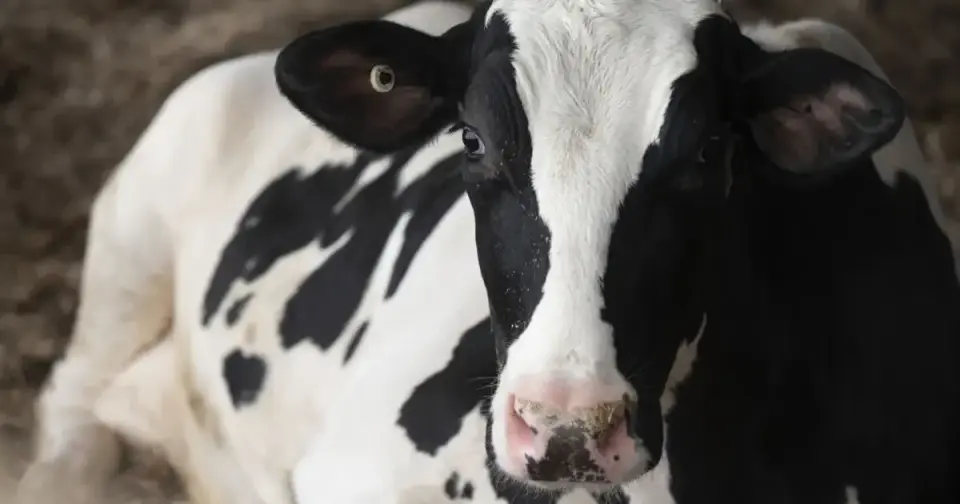
Wisconsin officials confirmed the first cases of epizootic hemorrhagic disease (EHD) in cattle since 2013, with positive samples identified in non-lactating dairy cows in Waukesha County. While the virus has caused significant deer mortality across southeastern Wisconsin, authorities emphasize that cattle rarely exhibit symptoms and the disease poses no risk to humans.
Key points
- The Wisconsin Department of Agriculture, Trade and Consumer Protection (DATCP) confirmed EHD in non-lactating dairy cattle in Waukesha County, marking the first such detection in the state since 2013.
- EHD is a viral disease transmitted by biting midges, typically surfacing in late summer and early fall; cases usually decline after the first hard frost.
- While deer frequently show severe symptoms, cattle rarely exhibit signs; when present, symptoms include lameness, fever, weight loss, and sores on limbs, mouth, or teats.
- There is no treatment for EHD, but officials stress there is no evidence the virus affects humans, and meat or milk from infected animals is considered safe.
- Herd owners are advised to consult veterinarians for diagnosis, as EHD symptoms can mimic other Foreign Animal Diseases, requiring specific laboratory testing of blood, spleen, or lymph nodes.
Background
This development follows a broader EHD outbreak in Wisconsin that began earlier in 2026, primarily affecting white-tailed deer. Previous reports indicated over 700 dead deer in Washington and Waukesha counties, with the outbreak later expanding to six counties. The current confirmation in cattle represents a new dimension of the outbreak, though the virus remains primarily a wildlife concern in the region.
How outlets are covering it
FOX6 and WMTV both reported the DATCP confirmation of EHD in Waukesha County cattle, emphasizing the 2013 precedent and the lack of human risk. Greater Milwaukee Today provided broader context, noting that while 1,770 deer have died or been infected in southeastern Wisconsin, the 2026 deer hunting season is expected to proceed without harvest reductions. WFIW Radio covered a separate but related topic, announcing free mail-in chronic wasting disease testing kits for Illinois hunters, highlighting the broader regional focus on wildlife disease monitoring.
Why it matters
The confirmation of EHD in cattle, though rare, requires vigilance from dairy farmers to distinguish the disease from other potentially severe Foreign Animal Diseases. While the virus does not threaten human health or food safety, it underscores the need for veterinary testing and monitoring in livestock populations during peak insect seasons.
What to watch
Herd owners observing symptoms in cattle or farm-raised deer should contact veterinarians for diagnostic testing. DATCP district veterinarians should be notified if Foreign Animal Diseases are suspected. The Wisconsin Department of Natural Resources will continue updating weekly reports on deer EHD cases, with data available online.
- Cases of EHD confirmed in Wisconsin cows fox6now.com
- Wisconsin cattle test positive for EHD virus WMTV 15 NEWS
- IDNR OFFERS FREE MAIL-IN CWD TESTING KITS FOR DEER HUNTERS wfiwradio.com
- Viral disease infecting thousands of Wisconsin deer found in Waukesha County dairy cows WPR
- Number of Ozaukee County deer impacted by EHD under 100, according to DNR Greater Milwaukee Today
Want the full story? Read the original reporting
Read on fox6now.com