
Oregon Zoo Elephant Tula-Tu Shows Signs of Recovery After EEHV Diagnosis
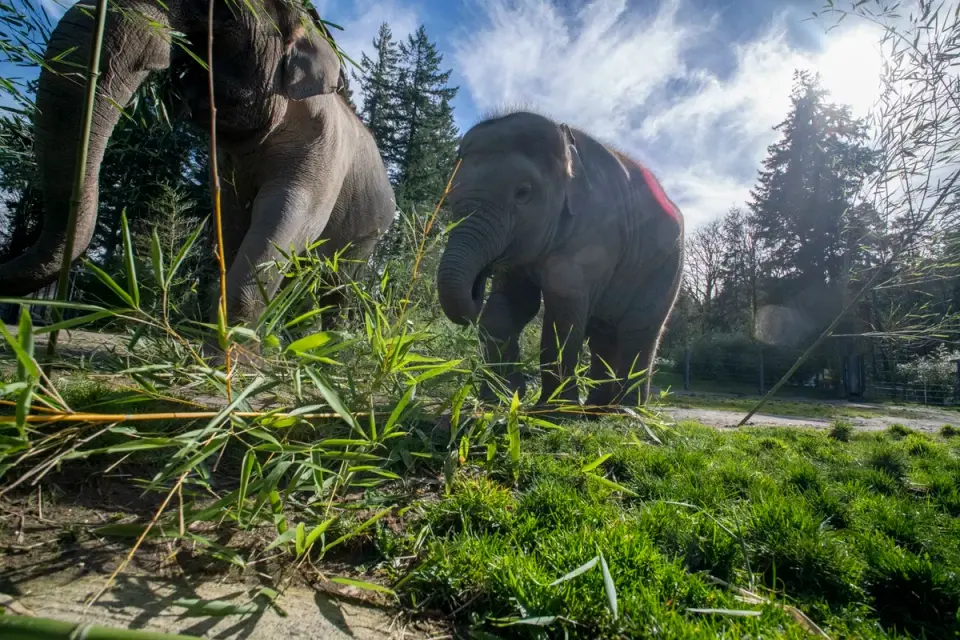
Tula-Tu, an Asian elephant calf at the Oregon Zoo, is responding to treatment for elephant endotheliotropic herpesvirus (EEHV). Detected on October 24, the infection was confirmed the next day. The calf has remained stable with improving blood metrics, leading to cautious optimism from veterinary staff.
Key points
- Care staff detected behavioral changes in Tula-Tu on October 24, prompting immediate testing.
- Oregon State University confirmed an elevated viral load of EEHV on October 25.
- Treatment includes plasma transfusions and antiviral medications.
- Tula-Tu’s white cell and platelet counts are improving, indicating a favorable trajectory.
- The calf previously received an mRNA vaccine for EEHV-1A, but the current infection is caused by the related EEHV-1B strain.
Background
Tula-Tu is a one-year-old Asian elephant at the Oregon Zoo. In 2018, another calf named Lily died from EEHV shortly before her sixth birthday. The Oregon Zoo has supported international research into EEHV vaccines and treatments for nearly 25 years. In 2023, zoo staff helped establish a hematology lab in Sabah, Malaysia, to track EEHV in wild and captive elephants.
Why it matters
EEHV is a latent virus present in nearly all Asian elephants, posing a life-threatening risk to calves between ages 1 and 8 as maternal antibodies decline. Rapid detection and treatment are critical for survival. Research involving Tula-Tu may contribute to future vaccine development and protection for wild elephant populations.
What to watch
Tula-Tu will continue monitoring and treatment. Blood samples from the calf will be used in joint research with Oregon State University and Baylor College of Medicine to analyze vaccine responses. Veterinary staff will continue to assess her stability and recovery progress.
Want the full story? Read the original reporting
Read on KTVZ