
ETH Zurich Implant Uses Electricity to Convert Blood Sugar Into Harmless Byproduct
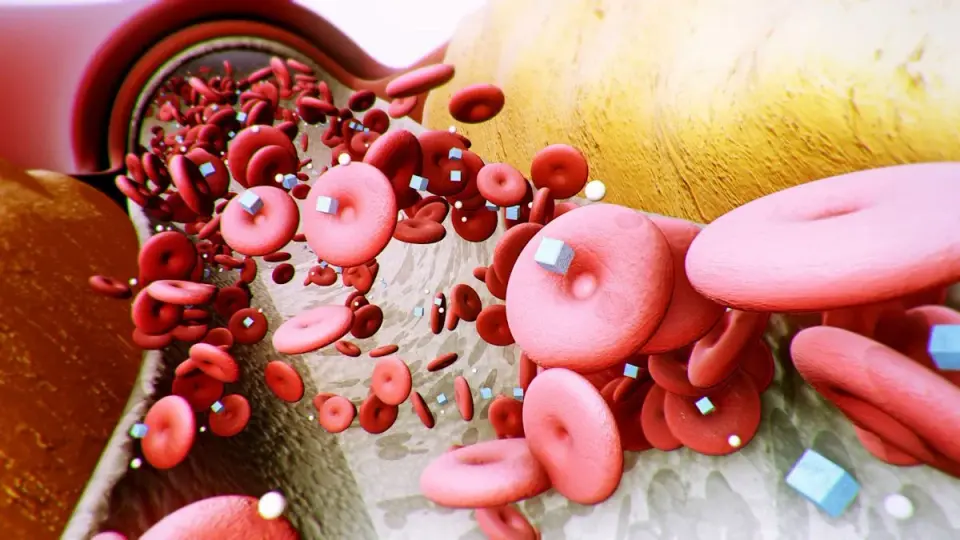
A new experimental implant developed by ETH Zurich researchers offers a drug-free approach to managing type 2 diabetes and obesity. The device uses a controlled electrochemical reaction to convert excess blood glucose into gluconate, a harmless byproduct excreted by the kidneys. In mouse trials, the implant, paired with a continuous glucose monitor and smartphone control, stabilized blood sugar levels and resulted in a 10% average weight loss over six weeks. While promising, experts emphasize that the technology remains in the proof-of-concept stage and requires further testing in larger animals and humans to ensure safety and efficacy at human scales.
Key points
- The implant is a wireless, inch-long reactor that converts glucose into gluconate using a catalyst made of gold and platinum nanoparticles embedded in graphite felt.
- The device is controlled via smartphone, which adjusts power input based on real-time glucose data from a continuous monitor to prevent hypoglycemia.
- In mouse trials, the implant stabilized blood sugar levels and led to a 10% average weight loss over six weeks, as the body shifted to burning fat stores.
- The team tested the device in a 5-liter sugar solution to simulate human blood volume, showing it could effectively control sugar levels, though this is not a substitute for human trials.
- Experts caution that the device is not a replacement for lifestyle changes or existing medications and must be tested for long-term safety, particularly regarding kidney function and catalytic efficiency in humans.
Background
This development follows recent studies highlighting the impact of dietary interventions on blood sugar and weight, such as a 2026 trial showing high-fiber diets outperforming metformin in some cases. It also aligns with broader research into the links between red meat consumption and diabetes risk, underscoring the complex interplay between diet, metabolism, and disease.
How outlets are covering it
While all sources agree on the potential of the device, they differ in emphasis. Yahoo News and The Naked Scientists focus on the technical mechanism and the success of the mouse trials, highlighting the 10% weight loss and the device's ability to handle large volumes of glucose. BBC Science Focus Magazine, however, places greater emphasis on the long-term challenges, particularly the need for human trials and the potential impact on kidney function. Dr. Sufyan Hussain, a consultant diabetes physician, noted that while the approach is novel, carefully controlled human trials are essential, and the device may not be suitable for everyone, especially those with impaired kidney function. Fussenegger himself acknowledged the need to demonstrate the device's efficacy and safety in humans, emphasizing that it is an addition to, not a replacement for, existing treatments and lifestyle interventions.
Why it matters
This technology could offer a new, drug-free option for managing type 2 diabetes and obesity, conditions that affect over 790 million and 1 billion people globally, respectively. By directly targeting excess glucose, the implant could help prevent the progression to prediabetes and type 2 diabetes, potentially reducing the burden on healthcare systems. However, its success depends on overcoming significant hurdles in scaling up the technology for human use and ensuring long-term safety.
What to watch
The next steps for the research team include testing the device in larger animals, such as pigs and sheep, before moving to human clinical trials. They also need to demonstrate that the device can safely and reliably remove sufficient glucose in humans over extended periods, particularly considering the impact on kidney function. Fussenegger and his team are committed to making these technological treatments work for patients who can benefit from them, but they acknowledge that the path to human application is still long and requires rigorous testing.
- Scientists invent implant that can transform sugar in the blood to treat type 2 diabetes Yahoo
- A drug-free treatment for diabetes and obesity is within reach, say experts (and it's not exercise) BBC Science Focus Magazine
- New Implant Lowers Blood Sugar Without Insulin: How It Works TechRepublic
- Implant system could be a new way to treat type 2 diabetes Futurity
- Implant removes glucose electrically to tackle diabetes The Naked Scientists
Want the full story? Read the original reporting
Read on Yahoo