
Victoria Vaccinates 5,000 Penguins as Bird Flu Threatens Native Wildlife
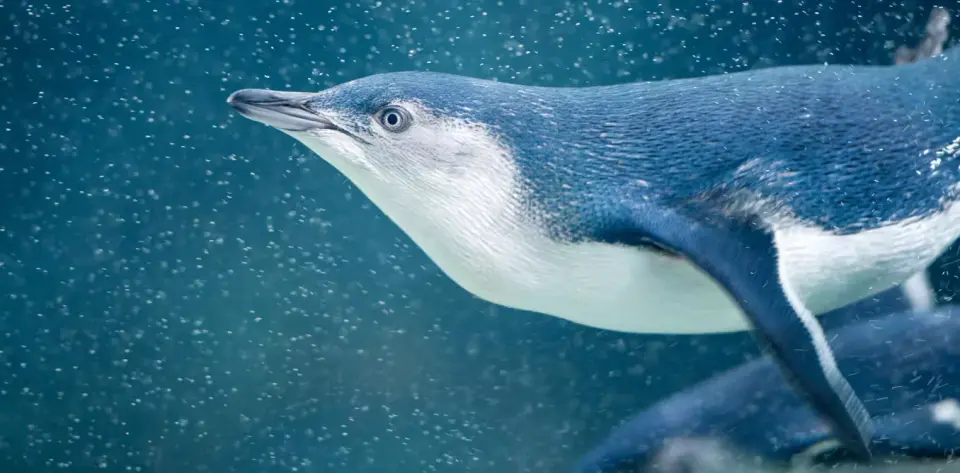
Victorian authorities are vaccinating over 5,000 little penguins against H5N1 bird flu, marking the world's largest wild bird vaccination program. This effort follows the first confirmed penguin death in Victoria and aims to protect vulnerable colonies at Phillip Island and St Kilda, where approximately 40,000 penguins reside. While the vaccine requires two doses, officials emphasize that it is a critical tool to mitigate the virus's impact on species already stressed by climate change and invasive predators.
Key points
- The Victorian government is implementing a two-dose vaccination program for more than 5,000 little penguins at Phillip Island and St Kilda.
- This initiative is described as the largest vaccination program for wild birds globally, targeting the highly infectious H5N1 strain.
- One little penguin at Phillip Island has already died from the virus, prompting urgent protective measures.
- Little penguins are considered easier to vaccinate than other species because they are flightless and return to the same burrows nightly.
- The vaccine uses inactivated viral particles and requires a booster shot to generate sufficient antibody levels for protection.
- Little penguins face additional threats from invasive predators, artificial light, and climate change-induced reductions in fish populations.
Background
Australia has been battling the spread of H5N1 bird flu since early 2026, with initial mass mortalities reported in South Australia among greater crested terns. Previous coverage highlighted the virus's rapid spread to coastal areas, including a dead pelican found in Fremantle, and the federal government's recent authorization of H5N1 vaccines for priority native species. The current vaccination drive is part of a broader national response to protect vulnerable wildlife, following earlier warnings that the virus poses a severe threat to species like pelicans, black swans, and brolgas.
How outlets are covering it
The Conversation emphasizes the logistical challenges and scientific rationale behind the two-dose vaccination process, noting that while vaccines are not guaranteed to prevent infection, they are essential for reducing viral impact. The Guardian highlights the broader risk to other native species, such as silver gulls, white-bellied sea eagles, and Australian fairy terns, which are categorized as high or very high risk due to their behavior and population density. In contrast, the Tasmanian Greens focus on habitat protection, arguing that vaccination alone is insufficient and that the government must address human activities like hunting and dog-walking in critical bird habitats. While The Conversation and The Guardian focus on the immediate medical and biological response, the Tasmanian Greens advocate for a broader policy approach to long-term species survival.
Why it matters
The H5N1 outbreak poses a significant threat to Australia's native bird populations, with potential for severe population declines in iconic species. The vaccination program represents a critical intervention to protect vulnerable wildlife, but its success depends on overcoming logistical challenges and addressing broader environmental stressors. As the virus continues to evolve, ongoing vaccination efforts and habitat protection will be essential to mitigate the impact on biodiversity and public sentiment.
What to watch
Authorities will continue monitoring the effectiveness of the vaccination program and may expand efforts to other vulnerable species. The federal government is expected to authorize additional vaccines for priority native birds, while states and territories will manage the rollout. Public reporting of sick or dead birds remains crucial for tracking the virus's spread, and ongoing research will focus on developing new vaccines for emerging virus strains.
- More than 5,000 little penguins will be vaxxed against bird flu. How will this protect them? theconversation.com
- The threat the H5N1 avian flu poses to Australia and New Zealand’s unique wildlife NPR
- Bird flu has devastated wildlife around the world. What Australian birds are most at risk? The Guardian
- Bird Flu Vaccinations of Penguins Begin in Australia After Death Bloomberg.com
- Proper Habitat Protection Needed in Bird Flu Response tasgreensmps.org
Want the full story? Read the original reporting
Read on theconversation.com