
Summer Bat Invasion in Upstate New York Drives Spike in Pest Control Calls
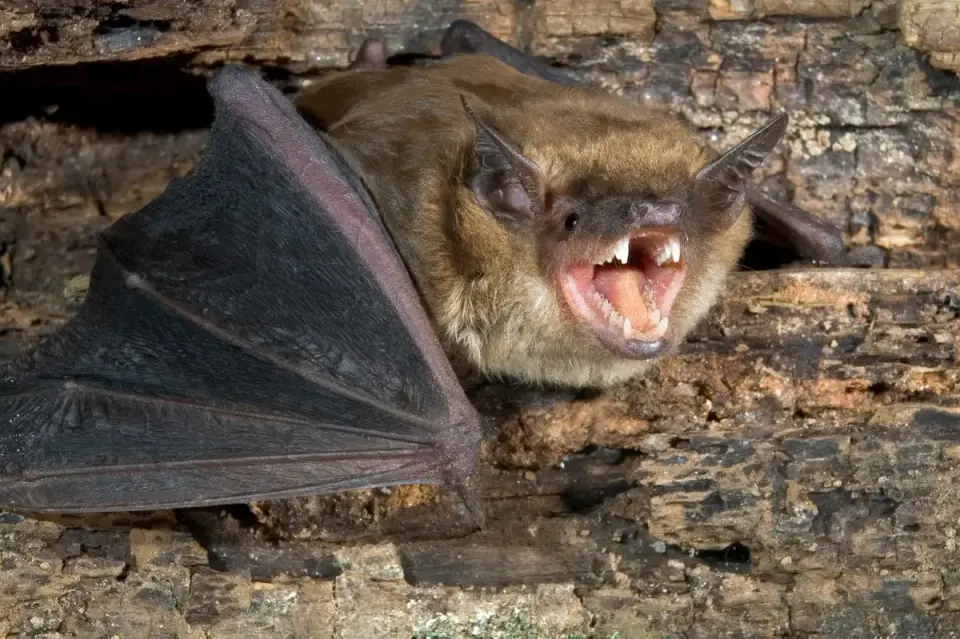
Homeowners in New York’s Capital Region and Hudson Valley are reporting a surge in bat intrusions this summer, driven by the species' maternity season. Pest control firms note a 15% increase in calls, while experts advise sealing entry points and contacting health officials for any contact with the animals.
Key points
- Mid-June marks the start of maternity season for New York’s nine native bat species, prompting mothers to seek warm, dry shelter for their pups.
- Thomas Pest Services in Albany reported a 15% jump in bat-related calls this year, according to the Times Union.
- Bats can enter homes through openings as small as a quarter-inch, often accessing attics and walls.
- Wildlife biologist Ashley Meyer noted that increased reports may stem from heightened public awareness of rabies rather than a population increase.
- In 2025, just over 2% of 239 bats tested in four upstate counties were positive for rabies, though bats cause 70% of human rabies deaths nationwide.
Background
Previous coverage in July 2026 highlighted how bats in New York City have adapted to urban green spaces like the High Line and Prospect Park, utilizing their role in pest control. This current development focuses on the Capital Region and Hudson Valley, where seasonal breeding behaviors are leading to more frequent residential intrusions.
Why it matters
The influx of bats into homes raises public health concerns regarding rabies exposure. While the actual risk of transmission is low, the potential for severe consequences necessitates immediate action from residents to seal homes and report any contact with the animals to local authorities.
What to watch
Residents are advised to seal cracks with caulk, steel wool, or heavy mesh and cover vents with secure screens. Anyone who has had direct contact with a bat or suspects a bite should immediately contact their local county health department or animal control for testing and guidance.
Want the full story? Read the original reporting
Read on New York Post