Tag

Pest Control

All articles tagged with #pest control

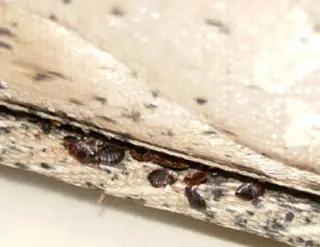
Study: Bedbug resurgence driven by insecticide resistance, not international travel
science16 days ago

Study: Bedbug resurgence driven by insecticide resistance, not international travel

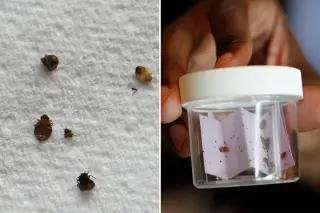
Virginia Tech researchers found that the 1990s bedbug resurgence in the U.S. was not caused by international travel, as previously believed. Instead, populations persisted in low-income and rural areas, evolving resistance to major insecticides. The study notes that a single pregnant female can rapidly generate massive infestations through inbreeding, making current pyrethroid-based treatments ineffective.
Spot the Stingers: How to Tell Wasps, Hornets, and Yellow Jackets Apart
home29 days ago

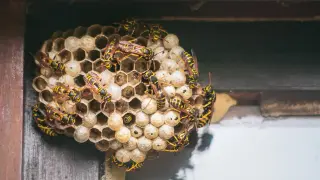
Spot the Stingers: How to Tell Wasps, Hornets, and Yellow Jackets Apart

A USA TODAY guide explains how to distinguish paper wasps, hornets, and yellow jackets by body shape, nest type, and location, noting that yellow jackets are usually the most aggressive. It offers safety tips for DIY removal (do so at night, wear protective gear, avoid burning or flooding nests) and lists when to call a professional (nests inside walls or near entries, allergies, or large colonies). Prevention tips include sealing cracks, covering food, cleaning up fruit, and installing screens to deter future infestations.

Sweat, CO2, and Warmth: How Your Home Workout Attracts Mosquitoes
home-and-garden2 months ago

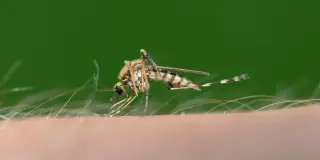
Sweat, CO2, and Warmth: How Your Home Workout Attracts Mosquitoes

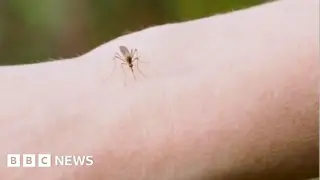
A pest-control expert explains that mosquitoes are drawn to carbon dioxide, body heat, odors, and standing water—not light—and vigorous indoor workouts can spike CO2 and heat, attracting them into homes, especially when windows are open at dusk. To minimize risk, install fly screens or use a fan, shower after exercising, wear light-colored clothing, and remove standing water around the property.

DC Uses Wolbachia-Infected Male Mosquitoes to Curb Local Populations
science2 months ago

DC Uses Wolbachia-Infected Male Mosquitoes to Curb Local Populations

About 600,000 Wolbachia-infected, non-biting male mosquitoes are being released across the DC area this summer to curb local populations; when they mate with wild females, the Wolbachia bacteria prevents eggs from hatching, reducing future generations. Bee Safe Mosquito Control is the first US company to offer this directly to residents, and broader interest is growing, with Alphabet seeking approval to release up to 64 million such mosquitoes in California and Florida amid rising mosquito pressures from climate change.

New hyperparasitoid threat reshapes the sugar beet pest puzzle
science2 months ago

New hyperparasitoid threat reshapes the sugar beet pest puzzle

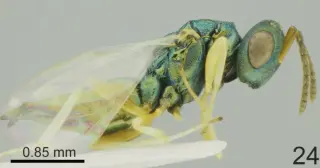
Researchers studying the sugar beet pest Lixus subtilis in Xinjiang, China confirmed the known predator Eurytoma curculionum and uncovered a new species, Chlorocytus papahemii, a hyperparasitoid that attacks the predator rather than the weevil, creating a four-tier food chain that could undermine biological control efforts. The findings, published in ZooKeys, highlight the complex web of interactions in crop ecosystems and have implications for managing weevil populations.

Chicago tops 2026 bedbug rankings, becoming the US’s bedbug capital
us-news3 months ago

Chicago tops 2026 bedbug rankings, becoming the US’s bedbug capital

Chicago leads Orkin’s 2026 Bed Bug Cities List with the highest bedbug infestations per capita, followed by Los Angeles, Detroit, Cleveland and Indianapolis. The Midwest is the hardest-hit region, driven by dense housing, high turnover of residents and travelers, and warm summers. Experts recommend quick inspections of hotels or short-term rentals and belongings when traveling to prevent bringing pests home, as bedbugs are tiny, elusive pests that feed on blood and can hitchhike on luggage.

Texas Fire Ants: From Invasion to Practical Control
science3 months ago

Texas Fire Ants: From Invasion to Practical Control

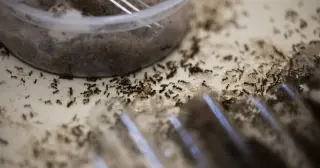
The piece traces the red imported fire ant’s westward invasion from Mobile in the 1930s to Texas-wide presence, examines how scientists at UT’s Brackenridge Field Laboratory introduced natural predators (phorid flies) to dampen populations, and outlines current management approaches (bait products, boiling-water mound treatment) since eradication is unlikely. It also notes that stings can be painful and long-lasting, but fire ants play a minor role in soil aeration and the food chain.

A Natural Tick Solution: Attract Owls with an Amazon Nest Box
gardens3 months ago

A Natural Tick Solution: Attract Owls with an Amazon Nest Box

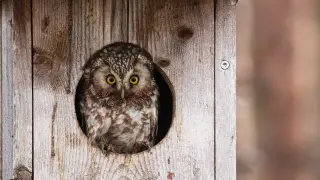
A Homes & Gardens sponsored piece argues that installing an Amazon owl nest box can help reduce yard tick populations by attracting owls that prey on rodents (tick hosts). The cedar nest box is sized for small-to-medium owls (about 9–11 inches), features a slanted roof and ventilation for weather and airflow, and comes with hardware for easy mounting. It’s currently discounted around $23.99, with reviewers praising its quality, though some note minor pre-drilled hole discrepancies. Used alongside mowing and other tick-prevention measures, the box is pitched as an easy, lasting way to support local wildlife and curb ticks in gardens.

Six practical fixes that finally banished mosquitoes from my yard
lifestyle3 months ago

Six practical fixes that finally banished mosquitoes from my yard

In Washington, D.C., Maggie Penman shares a six-step, neighborhood-inspired plan to curb mosquitoes in a humid, shady yard, detailing practical experiments and tactics—from managing standing water to tweaking the garden layout and using traps—to make evenings bite-free and exploring whether such community-style strategies could work at a single home.

Garlic halts insect reproduction by taste, study finds
plants4 months ago

Garlic halts insect reproduction by taste, study finds

A Yale-led study shows garlic does more than repel pests: when fruit flies and two mosquito species taste the garlic compound diallyl disulfide, it activates the TrpA1 receptor and triggers bitter/ fullness signals that stop feeding and, crucially, reproduction. The effect is taste-based (not smell) and wasps lacking TrpA1 are unaffected. This points to garlic-derived compounds as targeted, safer pest-control tools, and the researchers also introduce phytoscreen as a simple method to screen plant substances for behavioral effects on insects.