
California Rodenticide Bans Cut Owl Exposure, But New Contaminant Emerges
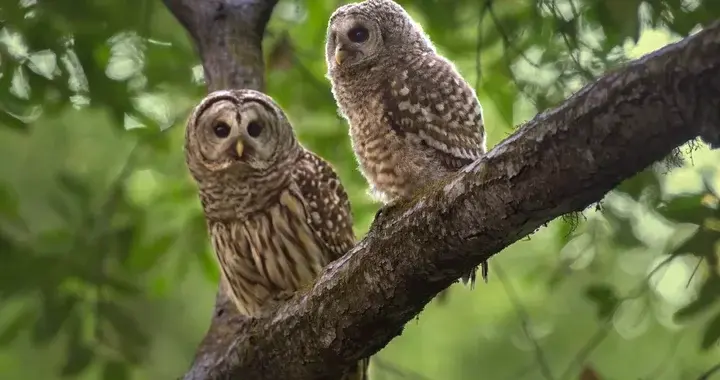
A new study analyzing 1,003 Barred Owls in northwestern California confirms that state bans on second-generation anticoagulant rodenticides have significantly reduced exposure in wildlife. However, the research also reveals a rising presence of vitamin D3 rodenticides, suggesting product substitution as older compounds become restricted.
Key points
- The Integral Ecology Research Center (IERC) published a study in Environmental Pollution analyzing liver tissue from 1,003 Barred Owls collected between 2019 and 2025, the largest such dataset for a single species in North America.
- Exposure to second-generation anticoagulants dropped from approximately 50% of young owls in 2019 to 20% in 2024, aligning with California’s 2020 Ecosystems Protection Act (AB 1788) and 2024 restrictions on older compounds (AB 2552).
- While anticoagulant use declined, detection of cholecalciferol (vitamin D3) rodenticides rose to 18.5% of sampled owls, indicating a shift toward alternative products as banned substances become harder to access.
- Overall, 46% of the owls contained at least one rodenticide compound, with breeding-age females and older adults showing the highest accumulation, raising concerns for the recovery of the closely related Northern Spotted Owl.
- Researchers note that untracked sources, including illegal cannabis cultivation and legacy contamination from past illicit grow sites, likely contribute to the remaining exposure despite regulatory progress.
Background
This finding extends IERC’s decade-long monitoring of rodenticide contamination in northwestern California, which previously documented high exposure rates in Pacific fishers and Northern Spotted Owls linked to trespass cannabis cultivation. The current study provides the first clear evidence that policy interventions are yielding measurable reductions in wildlife contamination for this region.
Why it matters
The data validates the effectiveness of California’s recent pesticide regulations in protecting sensitive wildlife populations. However, the emergence of vitamin D3 as a common contaminant highlights the need for updated monitoring and potentially stricter controls on substitute products to prevent new health risks for endangered species like the Northern Spotted Owl.
What to watch
Regulators and conservationists will likely focus on tracking the sources of vitamin D3 exposure and addressing unregulated uses, such as illegal cannabis cultivation, which remain outside current state pesticide databases. Continued biomonitoring will be essential to determine if the substitution trend stabilizes or worsens.
Want the full story? Read the original reporting
Read on Lost Coast Outpost