
H5N1 Bird Flu Escalates in South Australia, Straining Wildlife Services and Community
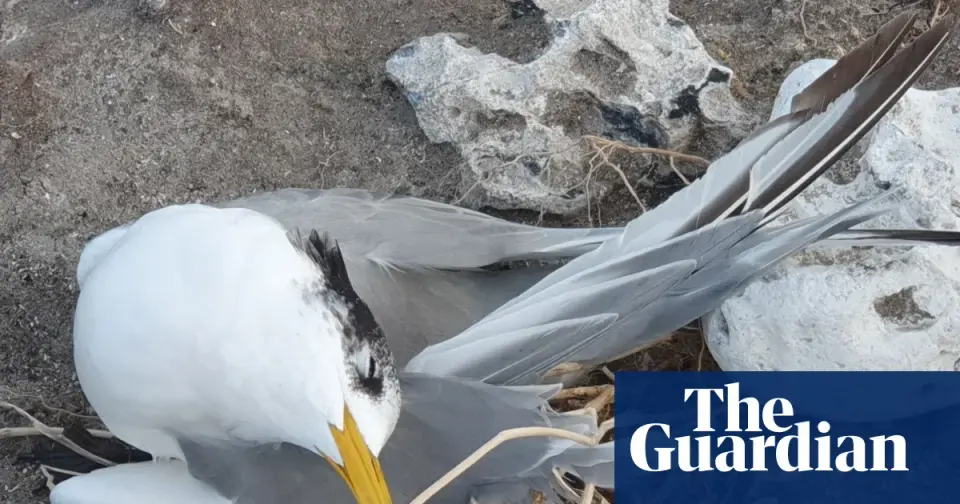
H5N1 bird flu has intensified in South Australia's Limestone Coast, causing mass seabird mortality and straining local wildlife services. While no farm infections have been confirmed, officials warn of continued spread among native species, prompting community distress and heightened biosecurity measures.
Key points
- The first mass mortality event occurred at Baudin Rocks, affecting approximately 84 greater crested terns.
- Wildlife clinics are at capacity, with carers facing increased burdens due to strict quarantine and PPE requirements.
- Officials confirm no evidence of H5N1 on Australian farms, though poultry sectors remain under lockdown.
- Local communities in Robe and Carpenter Rocks report significant emotional distress and support networks among residents.
- High-risk species include fairy terns, black swans, and marine mammals like sea lions and fur seals.
Background
Australia detected its first H5N1 cases in June 2026 in Western Australia, triggering a national taskforce and biosecurity upgrades. By August, 53 confirmed detections were recorded across five states, with South Australia accounting for 39. The current escalation in the Limestone Coast represents a significant intensification of the outbreak, moving from isolated detections to widespread mass mortality events.
How outlets are covering it
The Guardian and ABC News emphasize the emotional toll on local communities and the helplessness felt by conservationists, such as Maureen Christie of Friends of Shorebirds SE, who note the inability to intervene directly. Al Jazeera and the AFR focus on the broader agricultural and economic implications, with Agriculture Minister Julie Collins warning of further wildlife spread while noting no current farm infections. The ABC highlights community forums in Robe, where residents expressed concerns about mental health impacts and tourism, while wildlife carers like Julia Dangerfield raised concerns about resource availability in suburban areas. The Guardian notes that wildlife carers are calling on the state government for support, as clinics are already at capacity.
Why it matters
The outbreak threatens biodiversity, with potential impacts on vulnerable species and marine mammals. It also strains wildlife services and could affect local economies, particularly tourism in the Limestone Coast. The lack of farm infections is a positive sign, but the risk remains, and the spread among wildlife could have long-term ecological consequences.
What to watch
Officials expect continued spread among wildlife, with potential impacts on inland species and wetlands. The state government is likely to provide additional support to wildlife carers, and biosecurity measures will remain in place. Community forums and public reporting will continue to play a role in monitoring the outbreak.
- ‘We expected it, but now it’s here’: on the frontline of Australia’s bird flu outbreak, people are distressed The Guardian
- Armageddon has arrived: Australia faces the grim reality of H5 bird flu AFR
- Australia warns H5N1 likely to spread after first mass mortality episode Al Jazeera
- Mass bird flu deaths drive attendance at community forum ABC News & Headlines – Australian Broadcasting Corporation
- Powerless against bird flu? Not entirely. Here are 8 ways to help protect Australia’s birds and mammals The Conversation
Want the full story? Read the original reporting
Read on The Guardian