
Record Heat and El Nino Fuel Worst Mosquito Season in Los Angeles Decade
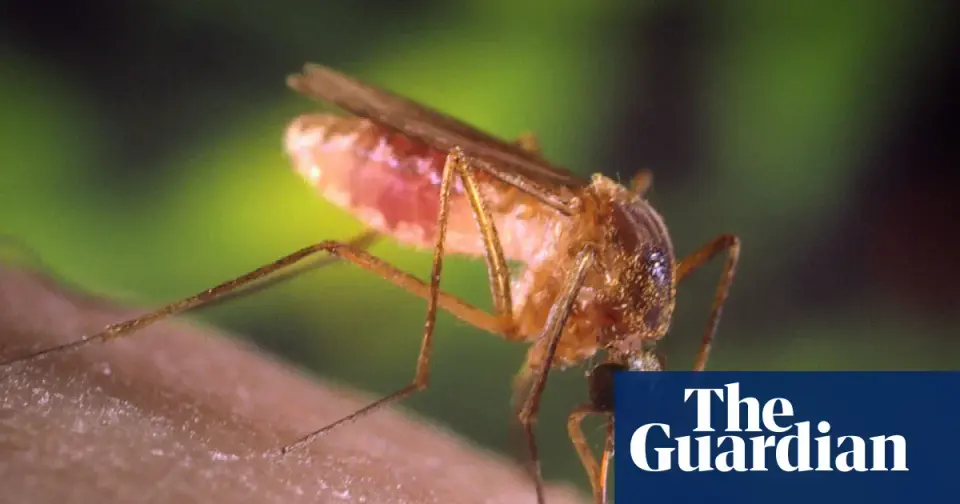
Los Angeles faces its worst mosquito infestation in years due to record heatwaves and a strong El Nino, causing a spike in West Nile virus cases and raising fears of dengue transmission. While authorities deploy sterile male mosquitoes and insecticides, residents struggle with persistent bites and stagnant water breeding grounds.
Key points
- Los Angeles County reported over 180 West Nile virus cases in 2026, the highest number in nearly a decade, driven by unusually warm winters and humid summers.
- Invasive Aedes mosquitoes, known as 'ankle biters,' have proliferated since 2014, targeting humans and capable of spreading dengue, chikungunya, and Zika.
- Control efforts include spraying adulticides and releasing sterile male mosquitoes, which have reduced targeted populations by over 80% in experimental sites, though costs remain high.
- Residents are advised to eliminate standing water, use repellents with Deet or picaridin, and wear long sleeves, as mosquito activity persists despite incoming rains.
- Property owner reluctance to allow vector control access and resistance to tax increases for mosquito programs hinder comprehensive eradication efforts.
Background
Southern California has struggled with mosquito issues for a decade, but 2026 marks a significant escalation due to climate factors. Previous years saw the introduction of invasive Aedes mosquitoes in 2014, which now dominate local infestations. The region’s endemic Culex mosquitoes primarily target birds, but the new Aedes species pose a greater risk to human health by transmitting multiple viruses.
Why it matters
The surge in mosquito activity threatens public health by increasing the risk of West Nile virus and other diseases like dengue. It also highlights the broader impact of climate change on urban environments, forcing residents to adapt their daily routines and raising questions about the sustainability of current pest control strategies.
What to watch
Authorities will continue monitoring West Nile virus through trap networks and deploy sterile male mosquitoes in targeted areas. Residents are expected to maintain vigilance by removing standing water and using repellents, while local governments may face pressure to increase funding for mosquito control programs.
- ‘A living hell’: how Los Angeles got taken over by mosquitoes The Guardian
- SoCal heat wave accelerates mosquito breeding, prompts emergency spraying amid West Nile virus concerns ABC7 Los Angeles
- Heat Wave Fuels SoCal Mosquito Surge Yahoo
- Uptick in Los Angeles mosquitoes raises concerns about West Nile virus Daily Trojan
- Heat and humidity may keep mosquitos buzzing throughout the fall in San Diego County cbs8.com
Want the full story? Read the original reporting
Read on The Guardian