
The Impact of Climate Change on Animal Brains and Behavior: Insights from a Neuroscientist
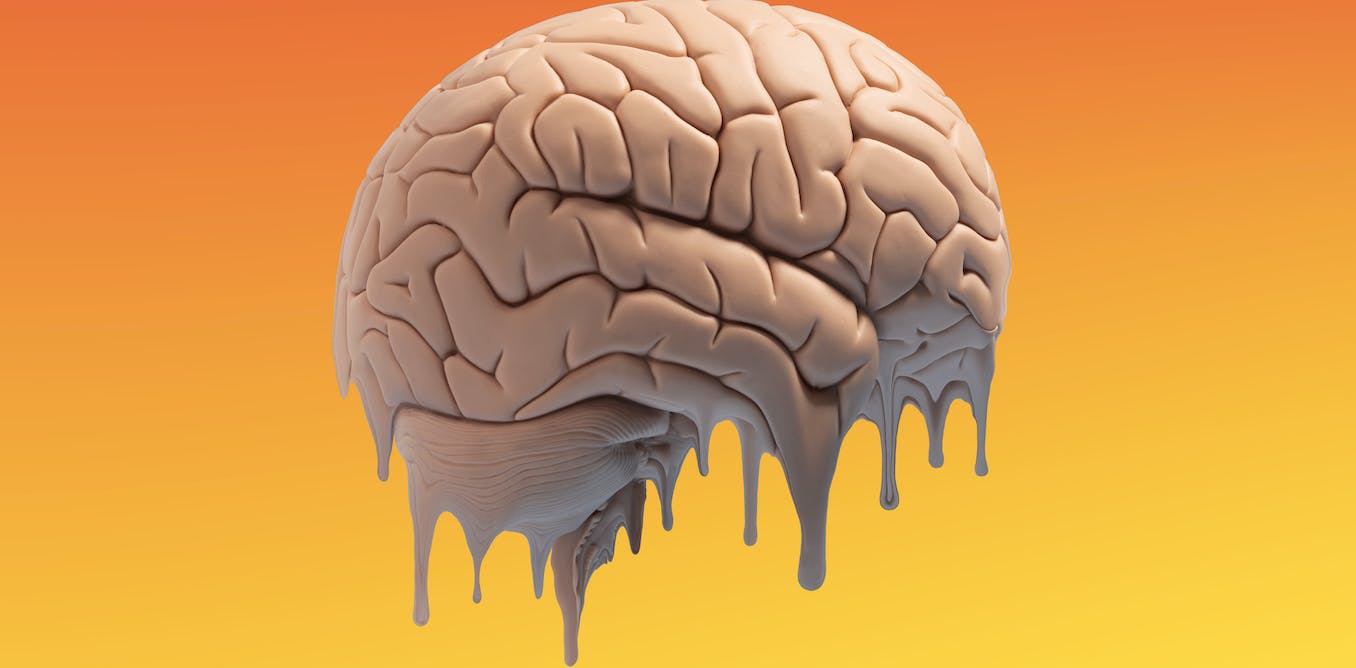
Climate change is altering animal behavior and their nervous systems, impacting their ability to adapt to rapidly shifting environments. Rising temperatures, changes in rainfall and seasonality, and ocean acidification are disrupting sensory environments, affecting animals' ability to navigate and survive. Temperature shifts are altering the behavior of mosquitoes, leading to changes in disease transmission. Rising temperatures may also disrupt brain development and function in animals, negatively impacting their ability to adapt. Animals may respond to climate adversity by shifting locations and altering their behaviors, which can have major implications for their survival. Animal brains are flexible and capable of changing, but climate change may force them to evolve to match new sensory environments. Understanding how animal nervous systems adapt to changing environments is crucial for predicting the impact of climate change on all species.
Reading Insights
0
20
4 min
vs 5 min read
84%
840 → 134 words
Want the full story? Read the original article
Read on The Conversation Indonesia