
Wisconsin EHD outbreak reaches 1,100 deer deaths, marking state's worst on record
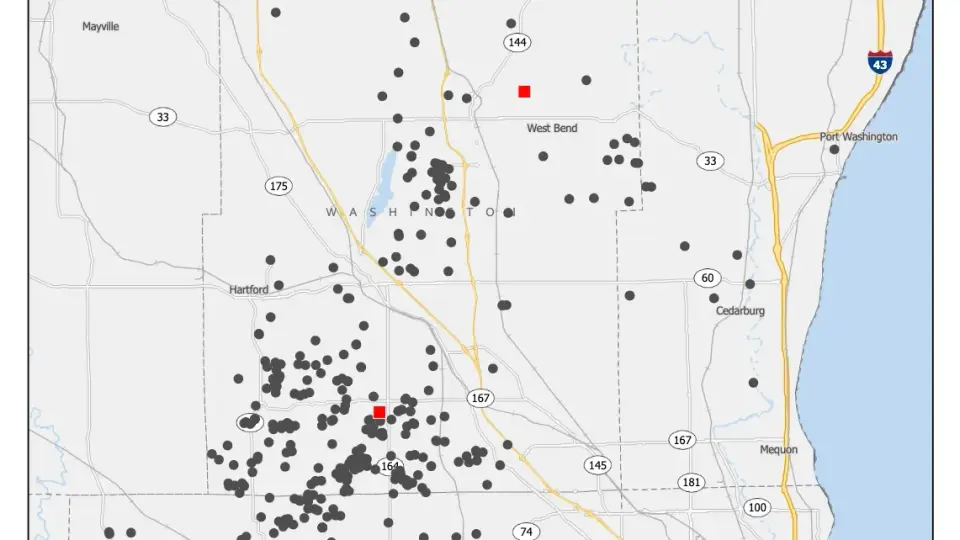
The 2026 epizootic hemorrhagic disease outbreak in Wisconsin has killed at least 1,100 white-tailed deer, making it the largest in state history. The Wisconsin Department of Natural Resources confirmed the toll as the outbreak spread across five counties, with cases first appearing in July. While the virus is transmitted by midges and poses no risk to humans, it causes rapid illness and death in deer. The DNR expects the outbreak to continue until the first hard frost, which typically halts midge activity. Residents are urged to report dead or sick deer to help track the spread, though the agency notes that Wisconsin's overall deer population remains robust despite local declines.
Key points
- The 2026 EHD outbreak has resulted in at least 1,100 confirmed dead white-tailed deer, the highest toll in Wisconsin history.
- The disease was first observed in July in Washington County and subsequently spread to Dodge, Milwaukee, Ozaukee, and Waukesha counties.
- The Wisconsin Department of Natural Resources states the outbreak is likely not over and may continue until the first hard frost.
- EHD is transmitted by biting midges and does not pose a risk to humans, but it causes rapid illness and death in deer.
- Local governments are responsible for disposing of carcasses, while the DNR will only test cases that appear far from the known outbreak area.
Background
Previous coverage in September 2026 indicated the outbreak was spreading across southeastern Wisconsin, with earlier estimates ranging from 600 to 900 dead deer. The DNR had noted that EHD is a recurring issue since 2002, affecting various counties, but the 2026 event has surpassed all previous records in terms of mortality. Earlier reports emphasized that while local deer numbers may drop, the state's overall population remains stable. The virus is not transmissible to humans, and survivors develop antibodies, but the rapid onset of the disease has led to significant carcass removal efforts by local authorities.
Why it matters
The scale of this outbreak highlights the vulnerability of wildlife to vector-borne diseases and the challenges faced by state wildlife agencies in monitoring and managing such events. While the disease does not affect humans, the mass die-off impacts local ecosystems and requires coordinated efforts for carcass disposal and public reporting. The record-breaking nature of the 2026 event underscores the need for continued surveillance and public awareness to mitigate future outbreaks.
What to watch
The Wisconsin Department of Natural Resources expects the outbreak to persist until the first hard frost, which typically reduces midge populations and halts transmission. The agency will continue to monitor reports of dead or sick deer and may test cases that appear outside the current outbreak zone. Local governments will continue to manage carcass disposal, and the public is encouraged to report unusual deer deaths to help track the disease's progression.
Want the full story? Read the original reporting
Read on Milwaukee Journal Sentinel