
Urban wildfires are turning toxic smoke into a national health challenge
TL;DR Summary
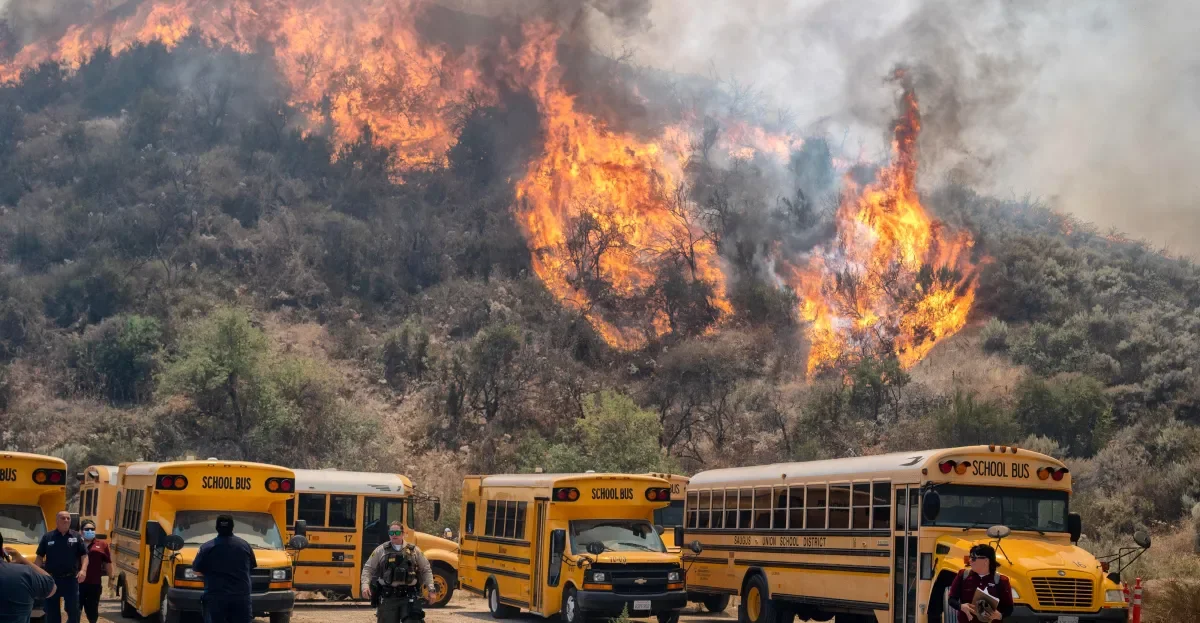
Wildfires are no longer confined to forests; expanding suburban development into wildland–urban interfaces means cities face smoke that contains plastics, metals, PFAS and other urban pollutants. Emerging research links long-term health risks—from cancer to cardiovascular and respiratory issues—to chronic exposure, including epigenetic changes seen in firefighters. As the wildland–urban interface grows—now surrounding a large share of US homes—air quality and indoor safety deteriorate, and toxic smoke can linger long after fires die down.
Topics:health#air-pollution#climate-change#future-perfect#public-health#toxic-smoke#urban-wildland-interface
- The wildfire danger we’re only just beginning to understand vox.com
- Wildfire smoke: The health and environmental impacts Harvard T.H. Chan School of Public Health
- Cardiopulmonary hospitalization risks from wildfire-specific and non-wildfire PM Nature
- Wildfire smoke and traffic pollution look the same on air quality maps, but not in hospital data Earth.com
- As wildfire smoke exposure grows, UC Davis researchers seek answers Daily Democrat
Reading Insights
Total Reads
1
Unique Readers
8
Time Saved
39 min
vs 40 min read
Condensed
99%
7,891 → 73 words
Want the full story? Read the original article
Read on vox.com