Tag

Air Pollution

All articles tagged with #air pollution

Everyday Exposures That Could Raise Cancer Risk—and How to Cut Your Odds
health19 days ago

Everyday Exposures That Could Raise Cancer Risk—and How to Cut Your Odds

The piece reviews how common environmental factors—radon gas in homes, lingering asbestos in older buildings, microplastics, and outdoor air pollution—are linked to cancer risk and offers practical steps to reduce exposure: test homes for radon and mitigate if high; have asbestos safely removed by professionals (EPA banned asbestos in 2024); minimize microplastic exposure by choosing mindful personal care products and avoiding heavy plastic use; reduce air-pollution exposure with measures like masks and at-home air purifiers; and embrace overall healthy lifestyle habits to lower cancer risk.

Loud Turbines, Louder Backlash: Musk's AI Data Centers Clash with a Mississippi Community
technology26 days ago

Loud Turbines, Louder Backlash: Musk's AI Data Centers Clash with a Mississippi Community

Southaven, Mississippi residents are pushing back against 27 methane gas turbines powering Elon Musk's xAI data center, installed with limited permitting and sparking a February hearing attended by about 300 people. Despite a $7 million sound wall, critics say the turbines create disruptive noise and raise environmental concerns, with lawsuits under the Clean Air Act threatened by the Southern Environmental Law Centre and Earthjustice on behalf of the NAACP. Emissions from the Memphis/Southaven facilities could exceed 6 million tonnes of greenhouse gases annually and release more than 1,300 tonnes of health-damaging pollutants, raising worries about air quality and water supply impacts amid broader backlash to AI data centers across the U.S.

Iran’s black rain after strikes: a toxic mix of pollutants explained
science1 month ago

Iran’s black rain after strikes: a toxic mix of pollutants explained

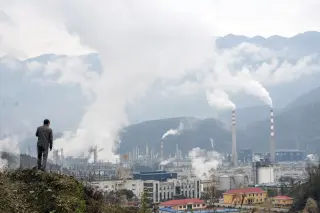
Following U.S.–Israeli strikes on oil depots in Iran, reports of black, ‘acid’ rain reflect a rainout of heavily polluted air. An atmospheric scientist explains the rain likely contains hydrocarbons, PM2.5, PAHs, heavy metals, and other chemicals, with sulfur dioxide and nitrogen dioxide forming acids in droplets. Short-term health risks include headaches and breathing difficulties, especially for those with asthma, while long-term exposure could raise cancer risk; deposition on surfaces and waterways can spread pollutants. Protective actions include staying indoors, wearing masks, and cleaning surfaces where possible. The piece also notes that all smoke is toxic and that war-related air pollution can have lasting environmental and health impacts.

Tehran hit by oil-strike pollution, sparking 'black rain' and health concerns
world1 month ago

Tehran hit by oil-strike pollution, sparking 'black rain' and health concerns

Air strikes on Tehran's oil facilities have produced dense smoke plumes and an unprecedented mix of pollutants, with reports of 'black rain' as fires burn at the Tehran refinery and Shahran depot; the WHO warns such attacks risk harming air, water and food, and scientists say the pollutant mix is unusually dangerous, potentially causing immediate and long-term health risks even as forecasts of rain and wind may help disperse contaminants.

Air Pollution Linked to Higher Alzheimer's and Dementia Risk, Large Study Finds
health1 month ago

Air Pollution Linked to Higher Alzheimer's and Dementia Risk, Large Study Finds

A large study of nearly 28 million Medicare beneficiaries (2000–2018) finds that higher long-term exposure to air pollution is associated with greater risk of Alzheimer’s disease and dementia, with stronger effects in people who had a stroke. While pollution is not the sole cause of Alzheimer’s, the findings support air-quality interventions and suggest indoor air improvements, such as HEPA-filter purifiers, alongside lifestyle measures like regular exercise, cognitive engagement, and social activity to help reduce risk.

Governments urged to curb air pollution to cut cancer rates
health1 month ago

Governments urged to curb air pollution to cut cancer rates

The European Code Against Cancer now calls on governments to meet WHO outdoor air-quality guidelines, reduce indoor pollution, and phase out solid fuels, urging better urban planning, cleaner heating, and reduced traffic; if implemented, these measures could cut lung cancer deaths by more than 10% in Europe and lower risks for bladder, kidney and brain cancers linked to pollution.

health-and-medicine1 month ago

Massive US Study Links Air Pollution to Alzheimer’s Risk in Seniors

A nationwide analysis of 27.8 million Americans aged 65+ shows long-term PM2.5 exposure is associated with higher Alzheimer's risk, mainly through direct brain effects rather than via hypertension, stroke or depression; greater risk among those with prior stroke and in disadvantaged communities with higher pollution exposure underscores environmental justice concerns and a push for stricter air-quality standards. The study relies on ZIP-code level outdoor exposure estimates and notes that indoor/work exposure was not included, indicating a need for mechanistic follow-up research.

Air Pollution May Directly Accelerate Alzheimer's Risk, Study Finds
science1 month ago

Air Pollution May Directly Accelerate Alzheimer's Risk, Study Finds

A large observational study from Emory University analyzing about 27.8 million US seniors over 18 years links higher 5-year average PM2.5 exposure to increased Alzheimer's disease risk, suggesting direct brain effects beyond traditional risk factors. Using ZIP-code pollution estimates, the researchers found a strong association even after adjusting for comorbidities, with stroke appearing to heighten vulnerability. While causality can’t be proven, the findings support the public health case for reducing air pollution to help lower dementia risk.

Fine-particle pollution tied to higher dementia risk in US seniors
health1 month ago

Fine-particle pollution tied to higher dementia risk in US seniors

A large US study of about 28 million Americans aged 65+ (2000–2018) links higher fine-particulate air pollution to increased dementia incidence, including Alzheimer’s, suggesting pollution may directly affect brain aging beyond other health factors; exposures were roughly twice the WHO annual guideline, with researchers noting potential mechanisms like brain inflammation and toxic protein deposits.

Sneeze science: what your nose really tells you about health
health2 months ago

Sneeze science: what your nose really tells you about health

Sneeze science shows it’s a normal, protective reflex triggered by irritants and the trigeminal nerve, not a mystical omen. Causes include allergens, viruses, pollution, and even bright light; the visible blast travels under a metre at about 10 mph. Sneezing can spread infections such as cold, flu and Covid, so cover with a tissue or elbow and use a mask in high-risk settings; overall, sneezing is a routine physiological response influenced by environment and immunity, not a sign of danger.

Short Bursts of Fresh Air Can Boost Indoor Health, Study Finds
science2 months ago

Short Bursts of Fresh Air Can Boost Indoor Health, Study Finds

Ventilating homes with short, strategic bursts of open windows can dilute indoor pollutants and lower airborne infection risk, but outdoor pollution near busy roads can lessen the benefit. The effectiveness varies by location (greener, quieter areas fare better), timing (lower pollution periods or after rain), and method (Stoßlüften vs. constant small openings). Overall, a balanced approach—short bursts away from traffic and in well-ventilated edges of the home—can improve health, mood, and cognitive function while potentially reducing long-term healthcare costs.

WHO Finds One-Third of Global Cancers Could Be Prevented, Led by Smoking and HPV
health2 months ago

WHO Finds One-Third of Global Cancers Could Be Prevented, Led by Smoking and HPV

A World Health Organization analysis published in Nature Medicine says more than a third of global cancer cases in 2022—nearly 19 million—were preventable through medical intervention, lifestyle changes, and reducing environmental/occupational risks. The leading preventable factor is tobacco smoking (about 15% of cancers worldwide, 23% in men), with alcohol, infections such as HPV, and air pollution also contributing. HPV vaccination can prevent many HPV-related cancers, but global coverage remains low. With lung, stomach, and cervical cancers constituting a large share of preventable cases, addressing these risks could significantly cut the global cancer burden.

Global Cancer Prevention Hinges on Two Major Lifestyle Habits
health2 months ago

Global Cancer Prevention Hinges on Two Major Lifestyle Habits

A WHO analysis of 2022 cancer data finds that roughly 38 percent of cancers are preventable by addressing about 30 modifiable risk factors, with tobacco smoking responsible for about 15 percent of all cases and higher shares in men; other major preventers include alcohol, air pollution, and infections such as HPV, along with obesity, physical inactivity, and environmental exposures. The study argues that targeted policy and behavioral changes could avert millions of cancers, and underscores HPV vaccination as a key but underused intervention; the work was published in Nature Medicine.

California air clears quickly as EVs cut NO2, study finds
science2 months ago

California air clears quickly as EVs cut NO2, study finds

A USC-led study published in Lancet Planetary Health used high-resolution satellite data to measure NO2 in 1,692 California neighborhoods from 2019–2023, showing that every 200 zero-emission vehicles added coincided with a 1.1% drop in NO2; ZEV registrations rose from 2% to 5% of light-duty vehicles while neighborhoods adding gas-powered cars saw NO2 rise, underscoring the immediate health and air-quality benefits of EV adoption and prompting further research on asthma and hospitalizations.