
DRC Ebola Crisis Accelerates: 3,442 Cases and 1,521 Deaths Reported
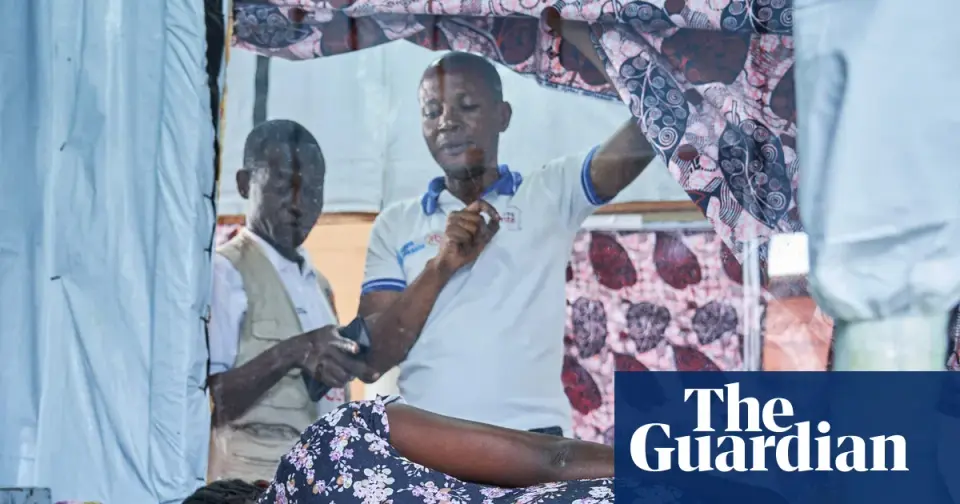
The Democratic Republic of the Congo is facing its fastest-growing Ebola outbreak in history, driven by the Bundibugyo strain. As of late July 2026, confirmed cases have reached 3,442 with 1,521 deaths, a 50% increase in one week. The crisis is concentrated in the Ituri province, where armed conflict, illegal mining, and community resistance to health measures have severely hampered response efforts. While Uganda has declared its outbreak over, the DRC faces a 'very high' risk of further spread, with contact tracing lagging behind targets and international aid groups temporarily relocating due to security threats.
Key points
- The outbreak, declared on May 15, 2026, has surpassed 3,400 confirmed cases and 1,500 deaths, making it the fastest-growing in Ebola history.
- The Bundibugyo strain has no approved vaccines or treatments; clinical trials for a vaccine began in early July with approximately 20 participants.
- Ituri province accounts for nearly 90% of cases, with 100 to 150 new infections reported weekly in Bunia and Rwampara health zones.
- Contact tracing is only at 78% of known contacts, well below the 95% target needed to interrupt transmission, due to displacement and security issues.
- International partners, including Africa CDC and Mercy Corps, temporarily relocated from the Nyakunde health zone after a July 15 attack on a hospital.
Background
This outbreak follows a series of escalating cases in the DRC, which surpassed 1,000 confirmed cases in late June 2026. Earlier reports highlighted challenges such as frontline health workers striking over delayed pay and the expansion of the virus into Uganda, which has since declared its territory free of Ebola. The current crisis represents a significant acceleration in transmission compared to previous outbreaks, including the 2018-2020 epidemic.
How outlets are covering it
The Guardian emphasizes the historical significance of the outbreak's speed and the complex local factors, including insecurity and high population density, that complicate containment. ABC News highlights the rapid increase in deaths and the operational failures, specifically the lag in contact tracing and the temporary withdrawal of international aid groups due to security threats. Both sources agree on the lack of approved treatments for the Bundibugyo strain and the critical role of community engagement, though ABC News places greater emphasis on the impact of misinformation and attacks on health facilities on the response efforts.
Why it matters
The rapid spread of the Bundibugyo strain in the DRC poses a significant regional health threat, with the WHO assessing the risk as 'very high' within the country. The failure to meet contact tracing targets and the disruption of aid operations due to conflict and community resistance could lead to further uncontrolled transmission. The outbreak also highlights the challenges of managing public health emergencies in conflict zones, where security concerns and misinformation can undermine critical response efforts.
What to watch
Health officials are urging international partners to redeploy to the DRC, with Africa CDC indicating teams could return as soon as next week. Clinical trials for a Bundibugyo vaccine are ongoing, with results potentially available in up to four months. The DRC government is continuing to strengthen surveillance and build treatment centers, while urging the public to seek medical advice at the first sign of infection to help contain the outbreak.
- Ebola outbreak in DRC the fastest growing in the history of the virus The Guardian
- Congo's Ebola outbreak is second-largest on record, latest data shows Reuters
- Fastest growing Ebola outbreak is worsening hunger in eastern Congo, UN agency chief warns pbs.org
- Congo says the death toll in fastest-growing Ebola outbreak has passed 1,500 ABC News - Breaking News, Latest News and Videos
- Ebola Outbreak Is Now the Second-Deadliest Ever, and in Record Time The New York Times
Want the full story? Read the original reporting
Read on The Guardian