
White-nose syndrome reaches northernmost Canadian hibernaculum, prompting probiotic trials
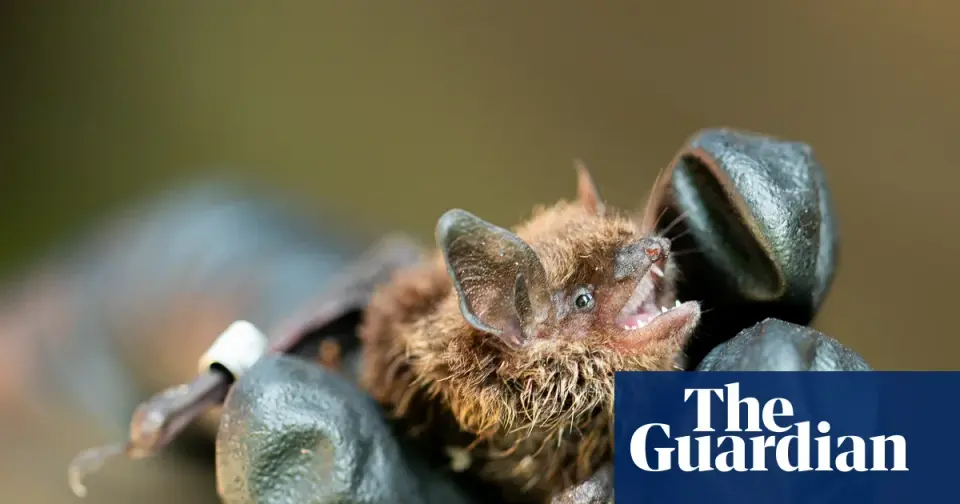
White-nose syndrome, a lethal fungal disease, has reached the northernmost known bat hibernaculum in Canada’s Northwest Territories. Biologists confirmed the fungus in caves near Fort Smith, where it threatens vulnerable species like the northern long-eared myotis. While cooler temperatures may slow the disease’s spread, researchers are testing a probiotic treatment to boost bat immunity. Wildfires have also disrupted bat habitats, potentially accelerating the fungus’s northward movement.
Key points
- White-nose syndrome, caused by the fungus Pseudogymnoascus destructans, has reached the northernmost known hibernaculum in Canada’s Northwest Territories, near Fort Smith.
- The disease has killed over 6.7 million bats across North America since 2007, with 90% of little brown bats and 99% of northern long-eared myotis bats dying in affected areas.
- Biologists Jesika Reimer and Joanna Wilson confirmed the fungus in May 2026, finding infected bats with necrosis and unusual behaviors, such as flying in daylight.
- Cooler temperatures in northern caves may slow the fungus’s growth, offering some hope for bat survival, though the northern long-eared myotis remains at high risk.
- Researchers are testing a probiotic treatment developed by McMaster University, which shows promise in reducing fungal growth in infected bats.
- Wildfires in 2023 destroyed habitat near the caves, forcing bats to travel farther for food and potentially accelerating the fungus’s spread.
Background
White-nose syndrome has been spreading west across North America since 2007, when it was first detected in New York. The disease has devastated bat populations, particularly smaller species with limited fat reserves. In 2025, the fungus was discovered in Fort McKay, Alberta, raising concerns about its northward expansion. The arrival in the Northwest Territories marks a significant milestone, as it reaches the northernmost known hibernaculum, where bats shelter during winter. The caves near Fort Smith, discovered in 2010, are critical for understanding bat behavior in extreme northern latitudes. The 11-chambered cave shelters an estimated 3,000 bats, making it the largest hibernaculum in western Canada. The disease’s impact on northern long-eared myotis bats, which weigh just 6-9g, is particularly concerning, as they lack the fat reserves to survive the infection.
Why it matters
The arrival of white-nose syndrome in the northernmost hibernaculum highlights the urgent threat to bat populations in Canada and Alaska. Bats play a crucial role in controlling insect populations, and their decline could have cascading effects on ecosystems. The potential for the fungus to spread further north, combined with the impact of wildfires on bat habitats, raises concerns about the long-term survival of vulnerable species. The probiotic treatment offers a promising intervention, but its effectiveness in northern conditions remains to be seen. The situation underscores the need for continued research and conservation efforts to mitigate the impact of white-nose syndrome on bat populations.
What to watch
Biologists will return to the caves in spring 2027 to assess the impact of white-nose syndrome on bat populations and evaluate the effectiveness of the probiotic treatment. Further research will focus on understanding how cooler temperatures and probiotic interventions can help bats resist the fungus. Conservation efforts may include habitat restoration and monitoring of bat populations in affected areas. The outcome of these efforts will determine whether the northern long-eared myotis and other vulnerable species can survive and adapt to the disease.
Want the full story? Read the original reporting
Read on The Guardian