
Bundibugyo Ebola Outbreak in DR Congo Kills 5,700 as Trust Deficits and Aid Cuts Hamper Containment
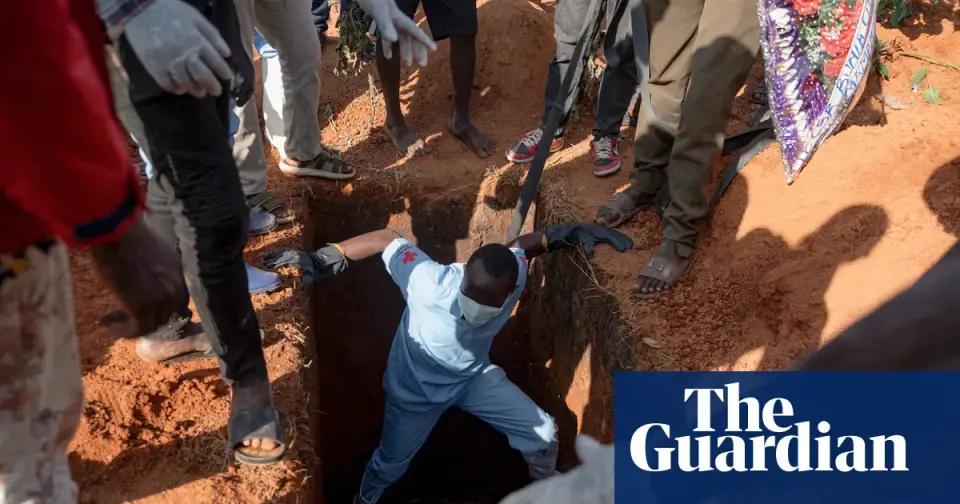
The Democratic Republic of the Congo faces its deadliest Ebola outbreak in history, with over 11,700 confirmed cases and 5,700 deaths caused by the rare Bundibugyo strain. The crisis is exacerbated by community mistrust, delayed detection, and reduced international aid, though new vaccine trials and expanded testing capacity offer limited hope.
Key points
- As of November 19, 2026, the outbreak has confirmed 11,700 cases and 5,700 deaths, making it the second-deadliest Ebola outbreak globally.
- The Bundibugyo strain has a fatality rate of nearly 50% and lacks an approved vaccine or specific treatment, though clinical trials are ongoing.
- Children account for roughly 30% of all deaths, with over 1,000 fatalities reported among minors.
- The outbreak began in mid-February but was not declared an emergency until mid-May, allowing the virus to spread undetected for two to three months.
- More than 80 attacks on healthcare workers and treatment centers have been documented since the outbreak began, disrupting contact tracing and containment efforts.
Background
The current crisis follows a pattern of recurring Ebola outbreaks in the region, but the scale and speed of this Bundibugyo variant are unprecedented. Previous coverage of mass violence in the US, such as the family killings in Georgia and Pennsylvania in October 2026, highlights the global impact of sudden, catastrophic events on families, though the DR Congo crisis is driven by a biological pathogen rather than human violence. The current outbreak is distinct in its reliance on community trust and international aid infrastructure, which has been weakened by recent cuts in humanitarian funding from major donors.
How outlets are covering it
The Guardian emphasizes the human toll, highlighting the story of Sylvain Kabona Tibasima, whose family lost 46 members to the virus, and the cultural barriers to prevention, such as the belief that Ebola is sorcery. The New York Times focuses on the psychological and social barriers to seeking care, noting that families often refuse to send sick relatives to hospitals due to fear and mistrust of medical facilities. Time Magazine provides a broader systemic analysis, attributing the outbreak's severity to delayed detection, the unique symptoms of the Bundibugyo strain, and the erosion of community surveillance due to 2025 humanitarian aid cuts, including the dismantling of USAID. CIDRAP reports on the official WHO data, noting that while case counts have doubled in three months, there is progress in expanding testing laboratories and treatment beds, with nearly 3,000 recoveries reported.
Why it matters
This outbreak represents a critical failure in global health surveillance and response, driven by a combination of biological novelty, political instability, and reduced international support. The high fatality rate and the lack of an approved vaccine underscore the urgent need for effective therapeutics and community engagement. The crisis also highlights the long-term consequences of humanitarian aid cuts, which have weakened the infrastructure needed to detect and contain emerging diseases early. As the outbreak spreads beyond the DR Congo to neighboring countries like Uganda, Kenya, and Nigeria, the global risk of further transmission remains high, necessitating coordinated international action and border management strategies that balance containment with the need for humanitarian access.
What to watch
Health officials are prioritizing the development and dissemination of a vaccine for the Bundibugyo strain, with the University of Oxford currently conducting clinical trials. Additionally, efforts are being made to strengthen primary healthcare clinics and expand community-based surveillance to improve early detection and containment. The WHO is advocating for open borders to facilitate the movement of first responders and technical experts, while also pushing for increased funding and support for local health workers. In the short term, the focus remains on reducing transmission through education, safe burial practices, and the rapid testing of suspected cases, with the hope that new treatments and vaccines will become available in the coming months.
- Ebola killed 46 members of one man’s family. Now he is fighting to save the rest The Guardian
- Why Ebola Patients Avoid Hospitals, Spreading the Disease at Home The New York Times
- Ebola’s Death Toll Tops 5,700. Can the Outbreak Be Contained? Time Magazine
- WHO: Ebola case count has more than doubled in 3 months CIDRAP
- WHO Director-General's opening remarks at the third IHR Emergency Committee meeting on Bundibugyo virus disease epidemic in the Democratic Republic of the Congo – 17 November 2026 World Health Organization (WHO)
Want the full story? Read the original reporting
Read on The Guardian