
Congo Ebola Crisis: Family Fear of Hospital Deaths Fuels Community Spread
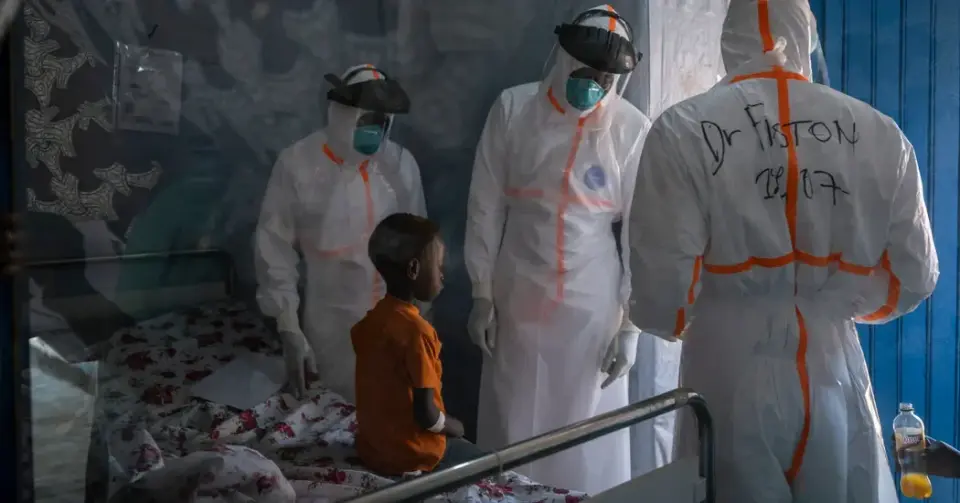
In eastern Democratic Republic of Congo, deep-seated community mistrust and fear of hospital fatalities are driving the spread of the Ebola virus. Health teams struggle to convince families to seek medical care, as many believe treatment centers are death traps or that the disease is caused by witchcraft. This resistance, combined with the lack of approved vaccines for the Bundibugyo strain, exacerbates the crisis, which has already surpassed 10,000 cases and 5,000 deaths. The New York Times highlights how personal grief and misinformation create a barrier to containment, leaving vulnerable populations, including children, at high risk.
Key points
- Health workers in Nizi, eastern DRC, face significant resistance from families who refuse to send sick relatives to Ebola treatment centers due to fear of death.
- The article details the case of Gorette Mbusi, who hesitated to let her grandson be hospitalized after her daughter died in a medical facility, illustrating the cycle of grief and mistrust.
- Community members often treat the sick at home, delaying critical care and increasing transmission rates within households and villages.
- The outbreak is driven by the Bundibugyo strain, which lacks an approved vaccine or specific treatment, making prevention and early detection crucial.
- Misinformation, including beliefs that Ebola is a form of poison or witchcraft, further complicates response efforts and leads to high mortality rates outside of treatment centers.
Background
The current situation is part of a larger, ongoing crisis. Since May 2026, the Bundibugyo Ebola strain has infected over 10,000 people and killed more than 5,000 in the DRC, making it the second deadliest outbreak in history. The virus has spread to eight provinces and neighboring countries, including Kenya, Uganda, and Nigeria. Previous reports indicate that armed conflict, unpaid health workers, and funding shortfalls have severely hindered containment efforts. International health officials have warned of global spread risks due to the lack of approved vaccines and delayed detection.
Why it matters
The inability to overcome community mistrust threatens to prolong the outbreak and increase mortality rates. As the virus spreads across borders, the failure to secure cooperation from local populations could lead to a wider regional or global pandemic. The lack of approved medical countermeasures makes community compliance with health protocols essential for containment.
What to watch
Health teams will continue to engage with communities to address fears and misinformation, aiming to improve trust in medical facilities. International organizations may push for increased funding and cross-border cooperation to support response efforts. Monitoring the spread in neighboring countries will remain critical as the outbreak evolves.
Want the full story? Read the original reporting
Read on The New York Times