
DR Congo Ebola Toll Exceeds 5,000 as Bundibugyo Strain Spans Three African Regions
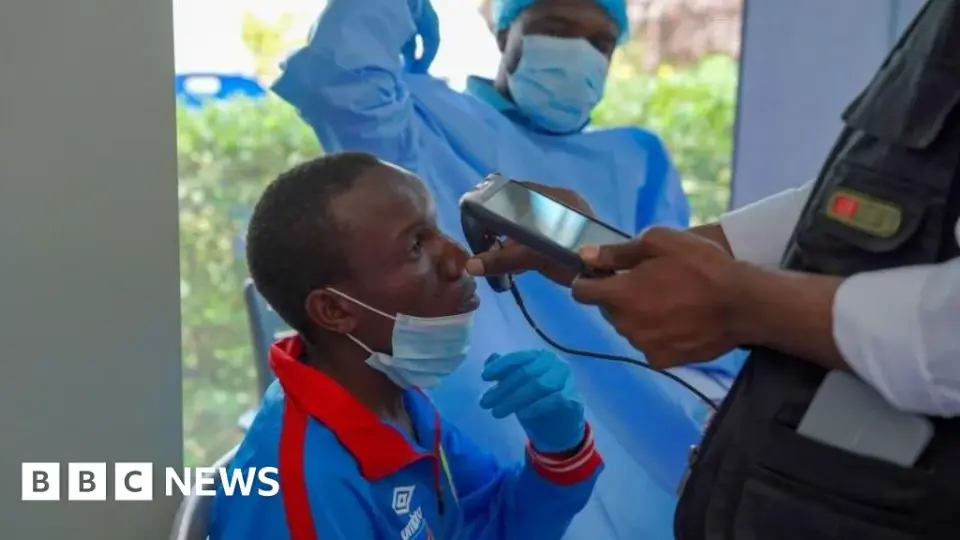
The Democratic Republic of Congo’s Ebola outbreak has surpassed 5,000 deaths and 10,300 confirmed cases, becoming the country’s deadliest and the second largest in history. Caused by the rare Bundibugyo strain, which lacks an approved vaccine or treatment, the epidemic has spread to eight provinces and neighboring Kenya, Uganda, and Nigeria. Containment efforts are severely hindered by armed conflict, community mistrust, and unpaid health workers, prompting global warnings of potential cross-continental spread.
Key points
- DR Congo’s health ministry reports 5,026 deaths and 10,351 confirmed cases, with a 48.6% case fatality rate.
- The outbreak, declared in May 2026, is caused by the Bundibugyo virus, for which no approved vaccine or treatment exists, though clinical trials are underway.
- The epidemic has spread to eight of DR Congo’s 26 provinces, with Ituri and North Kivu serving as the primary epicentres.
- Cases have been confirmed in Kenya (9 cases, 2 deaths), Uganda (20 cases, 2 deaths), and Nigeria (1 confirmed case, 2 suspected), marking the first time Ebola has affected three African regions simultaneously.
- Health workers face violent attacks from communities accusing them of spreading the virus, and strikes due to unpaid wages have halted services in key treatment centers.
- The Africa CDC warns that the outbreak could reach Europe and other continents, urging global governments to increase preparedness and funding.
Background
This outbreak is the 17th Ebola epidemic in DR Congo’s history and the second largest globally, behind only the 2014-2016 West Africa outbreak that killed over 11,000 people. Previous DR Congo outbreaks, such as the 2018-2020 event, resulted in 2,299 deaths. The current crisis is exacerbated by ongoing armed conflict in the east, including the Rwanda-backed M23 rebel group and the Allied Democratic Forces, which limits healthcare access. Community mistrust and misinformation have led to violent attacks on health workers, while global aid cuts and insufficient funding (over $2 billion outstanding against a $3 billion pledge) have strained the response.
How outlets are covering it
BBC and NBC News emphasize the scale of the outbreak and the lack of a vaccine, with NBC highlighting that 80% of new cases come from unknown transmission chains. Al Jazeera focuses on the geographic spread to West Africa (Nigeria) and travel restrictions by Saudi Arabia. The Guardian and Africa CDC director Jean Kaseya warn of potential global spread, comparing the outbreak to the early stages of the COVID-19 pandemic and urging increased preparedness in non-African countries. All sources agree on the lack of approved treatments and the role of conflict and community mistrust in hindering containment, but differ in emphasis: BBC and NBC focus on local containment failures, while Al Jazeera and The Guardian highlight international risks and funding gaps.
Why it matters
The outbreak’s rapid spread across three African regions and the lack of a vaccine or treatment pose a significant risk of global transmission. The Africa CDC warns that failure to fund and contain the outbreak could lead to a worldwide crisis, with potential economic and health impacts far exceeding current costs. The situation also highlights systemic issues in global health preparedness, including inadequate funding, conflict-driven access barriers, and community mistrust, which could undermine future pandemic responses.
What to watch
Clinical trials for a Bundibugyo vaccine are underway, with results expected in three to six months. The Africa CDC will convene African health ministers on Wednesday to urge cross-border cooperation and screening at entry points. In November, Kaseya will meet with African heads of state to call for a 'corridor of peace' in conflict zones to allow healthcare access. International donors are expected to provide the remaining $2 billion in pledged funding, though delays are likely. Health workers may continue strikes until wages are paid, and travel restrictions may expand as cases are confirmed in more countries.
- More than 5,000 die from Ebola in DR Congo's deadliest outbreak BBC
- Congo Ebola outbreak deaths top 5,000 as fear of continent-wide spread mounts NBC News
- Ebola death toll in DR Congo passes 5,000 Al Jazeera
- Africa’s ‘unprecedented’ Ebola outbreak could reach UK, says top health official The Guardian
- 'No one is safe' as Ebola outbreak surges to more than 10,000 cases, Africa's top doctor warns Canada CBC
Want the full story? Read the original reporting
Read on BBC