
Global HIV Supply Chains Collapse as Aid Cuts Leave Half of Clinics Out of Stock
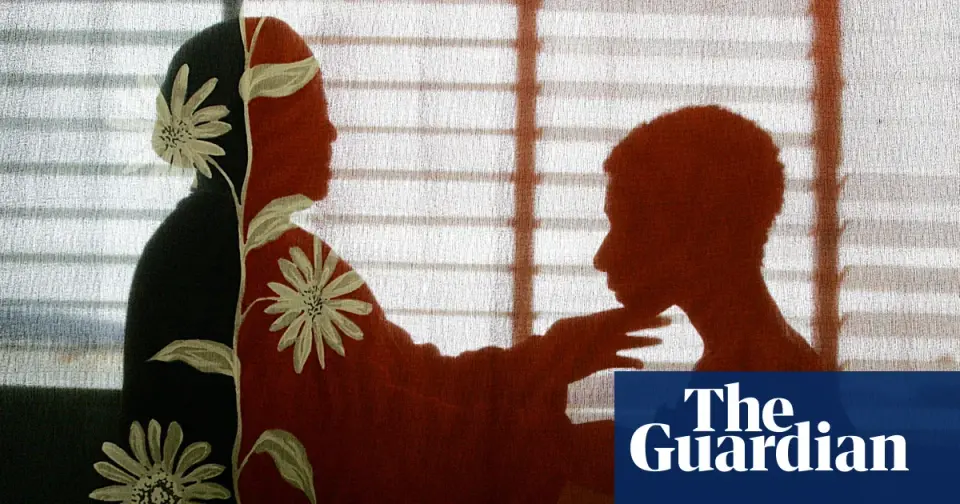
A survey of 40 countries reveals that 55% of HIV service providers have run out of stock in the past year due to funding cuts. Critical shortages in testing kits and pre-exposure prophylaxis are disrupting care, with experts warning that decades of progress are being reversed as infections rise.
Key points
- The International Planned Parenthood Federation (IPPF) surveyed 40 member associations, finding that 55% reported running out of stock within the last year.
- HIV rapid diagnostic tests are the most critically affected product, with 17 associations reporting low stock and five reporting no availability.
- Pre-exposure prophylaxis (PrEP) is also scarce, with 12 associations reporting low or zero stock, interrupting prevention efforts.
- Global aid spending fell by 23% in 2025 compared to 2024, the largest drop in history, according to the OECD.
- Experts warn that these shortages are already causing preventable deaths and rising infection rates, particularly in the Arab world, Asia, and the Americas.
Background
This crisis follows a series of warnings in 2026 regarding the impact of US aid reductions on global health infrastructure. Previous reports highlighted clinic closures in East Africa and analyses suggesting the US administration plans to cut global health funding by tens of billions by 2030. The current shortages represent the immediate operational consequence of those broader funding shifts, reversing gains made in HIV prevention and treatment over the past two decades.
How outlets are covering it
The Guardian focuses on the immediate supply chain failure, citing IPPF data to show that 60% of providers have low stock levels for at least one product. It emphasizes the fragility of supply systems and the direct link between funding uncertainty and patient care gaps. Grazia Daily UK broadens the scope to maternal and child health, linking the same 23% aid cut to a projected 22.6 million additional deaths by 2030. While the Guardian highlights the specific shortage of PrEP and testing kits, Grazia emphasizes the long-term reversal of progress in infant survival and the loss of community health workers, framing the issue as a multi-generational crisis rather than just a logistical one.
Why it matters
The shortage of HIV tests and PrEP threatens to reverse decades of progress in controlling the epidemic. With 40.9 million people living with HIV globally, interruptions in care and prevention tools could lead to a resurgence of new infections and preventable deaths, particularly in regions where health systems are already fragile.
What to watch
Health organizations are calling for improved coordination and political will to restore supply chains. The Gates Foundation and other bodies are urging governments to prioritize interventions like preeclampsia screening and immunizations to mitigate the impact of aid cuts on maternal and child health outcomes.
- Shortages of crucial HIV medicines due to aid cuts are a ‘warning’, say experts The Guardian
- HIV services plunge at four providers in Uganda and Zimbabwe after U.S. aid cuts medicalxpress.com
- ‘I Was Scared For My Life’: Global Aid Cuts Are Putting Millions Of Mothers And Babies At Risk Grazia Daily UK
Want the full story? Read the original reporting
Read on The Guardian