
Guinea-Bissau faces first mpox outbreak as children dominate suspected cases
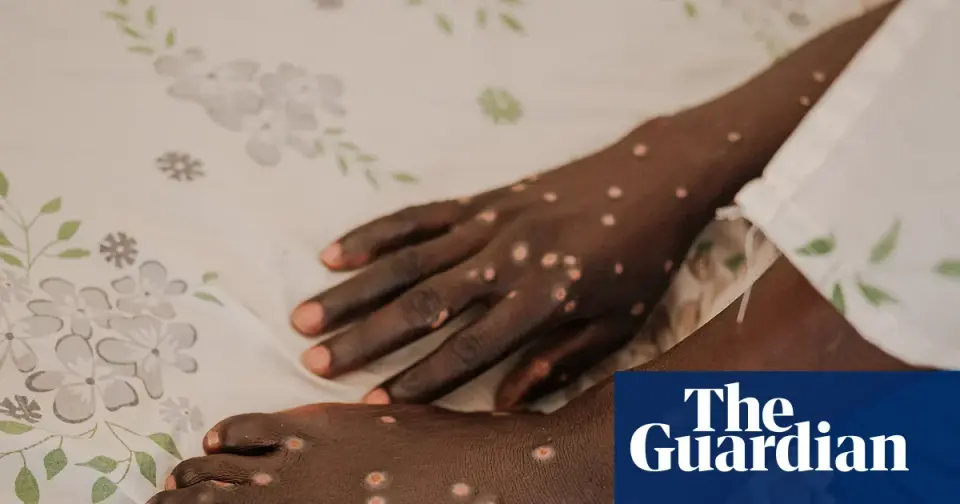
Guinea-Bissau has reported its first-ever mpox outbreak, with 46 suspected cases and seven confirmed infections. Children under 15 account for half of the suspected cases, raising concerns about severe complications in young children. While no deaths have been reported, experts warn that fragile surveillance systems may be missing undetected transmission chains. The WHO and UNICEF are prioritizing supportive care and vaccination, though vaccine access remains uneven in low-income regions.
Key points
- Guinea-Bissau declared its first mpox outbreak on July 4, 2026, with seven confirmed adult cases and 46 suspected cases as of August 17.
- Children under 15 represent 23 of the 46 suspected cases, with 16 of those children aged between zero and four years old.
- No deaths have been reported in Guinea-Bissau, but experts note that young children face higher risks of severe disease and mortality.
- Confirmed cases are not linked to each other, suggesting the virus is circulating widely in the community with undetected transmission chains.
- The CDC stated in 2026 that mpox is on track to become endemic in the US, while the WHO lifted the global emergency status for the 2024 outbreak in September 2025.
- A new global vaccine stockpile is expected to launch within weeks to improve rapid deployment in low-income countries, where access remains limited.
Background
Mpox, formerly known as monkeypox, has been endemic in parts of Africa for decades. A major global outbreak of clade II occurred in 2022, followed by a clade I outbreak in the Democratic Republic of the Congo in 2024. The WHO declared a public health emergency for the 2024 outbreak in August 2024, lifting it in September 2025 as cases declined. The current outbreak in Guinea-Bissau follows a pattern of mpox spreading to new countries in West Africa, including Guinea and Sierra Leone in the past year.
How outlets are covering it
The Guardian emphasizes the broader global context, noting that mpox is spreading to new countries and that the CDC expects it to become endemic in the US. It highlights the role of close physical contact in transmission, particularly in refugee and displaced person settings. UNICEF focuses on the vulnerability of children, noting that 23 of 46 suspected cases are under 15, and warns that fragile surveillance may be missing cases. Africanews mirrors UNICEF’s concerns about children and the risk of increased transmission with the reopening of schools in September. All sources agree that supportive care and surveillance are critical, but the Guardian and UNICEF differ in emphasis: the Guardian highlights the global trend of endemicity, while UNICEF focuses on immediate local response and funding needs.
Why it matters
The outbreak in Guinea-Bissau highlights the ongoing risk of mpox spreading to new countries, particularly in regions with fragile health systems. The high proportion of children among suspected cases raises concerns about severe complications and mortality. The uneven distribution of vaccines and the need for rapid deployment underscore the challenges of controlling outbreaks in low-income settings. The reopening of schools in September could further increase transmission among children, making early detection and community outreach essential.
What to watch
A new global vaccine stockpile is expected to launch within weeks, which should improve rapid deployment in outbreak areas. UNICEF and the WHO are working with the Ministry of Public Health in Guinea-Bissau to strengthen surveillance, contact tracing, and infection prevention. The reopening of schools in September will be a critical period for monitoring transmission among children. If new variants emerge or surveillance shows rapid spread, global health authorities may intervene again.
- Mpox is back – and in new countries. How this outbreak can be contained The Guardian
- Children account for half of suspected mpox cases in Guinea-Bissau UNICEF
- Guinea-Bissau faces first mpox outbreak: UNICEF Medical Xpress
- First-ever mpox cases reported in Guinea-Bissau with children the most vulnerable africanews.com
- Mpox: Children account for half of suspected cases in Guinea-Bissau Welcome to the United Nations
Want the full story? Read the original reporting
Read on The Guardian