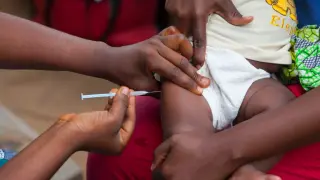
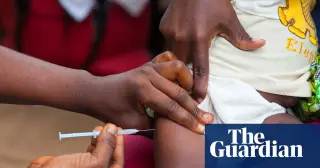
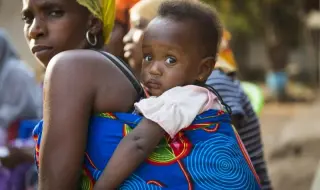
Guinea-Bissau has halted a US-funded clinical trial that planned to withhold hepatitis B vaccines from half of 14,000 newborns. The project, led by Danish researchers and funded by the CDC, faced intense international backlash for being unethical. Police raided the research facility in October and seized vaccine batches, confirming the trial will not proceed.
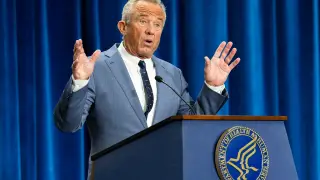
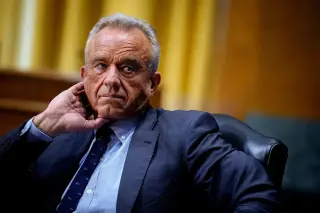
A controversial hepatitis B vaccine trial in Guinea-Bissau, backed by the US CDC and HHS Secretary Robert F. Kennedy Jr., has been officially halted. The study, which would have withheld the birth dose from half of 14,000 newborns, faced international ethical condemnation. Following a police raid that seized vaccine doses, the trial’s lead researchers confirmed it will not proceed due to lack of government approval.
Guinea-Bissau’s Council of Ministers formally rejected a US-funded clinical trial in the country on October 16, 2026. The trial, led by Danish researchers at the Bandim Health Project, would have withheld the hepatitis B birth dose from half of 14,000 newborns to study alleged non-specific harms. Judicial police raided the researchers’ offices on October 19, seizing vaccine doses. The study, which received $1.6 million from the US CDC and was championed by Health Secretary Robert F. Kennedy Jr., faced intense international backlash for violating ethical guidelines. The WHO and other experts condemned the trial as unethical, noting that withholding the vaccine would expose infants to lifelong infection risks. The researchers confirmed the trial will not proceed, though they maintained it was scientifically justified. The controversy highlights tensions between US health policy and international ethical standards, with critics comparing the study to the Tuskegee experiment.
A controversial US-funded hepatitis B vaccine trial in Guinea-Bissau has been halted after local police seized vaccine doses and the government denied approval. The study, backed by $3.2 million in funding from the CDC and private foundations, aimed to test if delaying the hepatitis B birth dose could reduce overall infant mortality. Critics called the design unethical, arguing it exposed newborns to preventable liver disease. While the trial is currently suspended, the seized vaccines and ongoing investigations have raised questions about the future of the funding and the safety of the country’s immunization program.
The controversial US-funded hepatitis B vaccine trial in Guinea-Bissau has been halted after the government seized researcher supplies and denied approval. Critics argue the study was unethical for withholding life-saving vaccines from newborns, while proponents claimed it tested potential non-specific harms. The CDC has not confirmed if funds will now support universal vaccination.
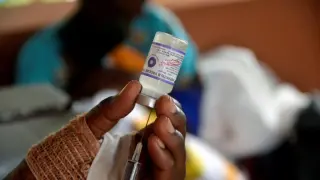
Guinea-Bissau judicial police raided the offices of the Bandim Health Project on Monday, seizing doses of hepatitis B vaccine intended for a controversial clinical trial. The study, which would withhold birth-dose vaccines from 7,000 newborns, has been condemned as unethical by international health experts. Although the University of Southern Denmark approved the trial under budget pressure, Guinea-Bissau’s health minister denies authorizing it. The raid marks a significant escalation in a dispute involving US funding, Danish researchers, and local public health priorities.
Guinea-Bissau judicial police raided offices of the Bandim Health Project, seizing hepatitis B vaccines linked to a controversial US-funded clinical trial. The study, which would withhold birth-dose vaccines from 7,000 newborns, faces intense ethical backlash and conflicting approval statuses. While the University of Southern Denmark approved the trial under budget pressure, Guinea-Bissau’s health minister denies authorizing it. The raid highlights tensions between US health policy, Danish researchers, and local public health priorities in a fragile nation.
The CDC has allocated $1.6 million to revive a controversial hepatitis B vaccine trial in Guinea-Bissau, despite international condemnation and a denial of approval from the host country’s health minister. The study, led by Danish researchers under investigation for misconduct, would withhold the birth dose from half of 14,000 newborns to test for alleged harms. Critics argue the rushed approval process, driven by expiring grant deadlines, compromised ethical safeguards and exposed vulnerable infants to preventable infection.
Guinea-Bissau’s health minister stated that the government has not authorized a controversial hepatitis B vaccine trial in newborns, despite claims by Danish researchers that local ethics committees had approved the study. The trial, which would withhold the birth dose from half of 14,000 infants, faces intense international backlash for ethical violations. While the US CDC has allocated $1.6 million to fund the project, the Guinean government maintains it has not given final authorization, leaving the study suspended.
The University of Southern Denmark has approved a controversial clinical trial in Guinea-Bissau that will withhold the hepatitis B birth vaccine from half of 14,000 newborns. The study, backed by the US CDC and Health Secretary Robert F. Kennedy Jr., has faced intense international criticism for ethical violations and potential harm to infants. While the trial was previously suspended, recent funding allocations and revised protocols have allowed it to move forward, raising concerns about the exploitation of vulnerable populations.
The University of Southern Denmark has approved a controversial clinical trial in Guinea-Bissau that will withhold hepatitis B vaccines from half of 14,000 newborns. The study, funded by the US CDC and linked to HHS Secretary Robert F. Kennedy Jr., aims to test potential harms of the birth dose. Critics condemn the design as unethical, arguing it exposes vulnerable infants to preventable disease, while supporters note the country does not yet routinely vaccinate newborns. The trial remains suspended pending final government authorization in Guinea-Bissau.
The CDC has moved to fund a previously suspended hepatitis B vaccine trial in Guinea-Bissau, allocating $1.6 million from global health security budgets. The study, led by Danish researchers under investigation for misconduct, would withhold the birth dose from half of 14,000 newborns. While the University of Southern Denmark has approved the revised protocol, the trial remains on hold pending final authorization from the Guinean government, drawing intense opposition from health experts and advocacy groups.
The University of Southern Denmark has approved a controversial clinical trial in Guinea-Bissau that would withhold the hepatitis B birth dose from half of 14,000 newborns. The study, funded by the US CDC, faces intense international backlash for violating ethical norms, though it remains on hold pending final government authorization in Guinea-Bissau.
Guinea-Bissau voters approved a new constitution that significantly expands presidential authority and shrinks parliament, a move backed by the military junta but boycotted by the main opposition party ahead of December elections.
Guinea-Bissau voters approved a new constitution in a referendum with over 55% turnout, with 70% supporting changes that significantly expand presidential authority. The new framework reduces parliamentary seats from 102 to 65 and cuts constituencies from 29 to 12, while allowing the president to appoint and dismiss the prime minister and cabinet. The referendum was organized by the military junta that seized power in November 2025 following a disputed election. Critics, including the main opposition party PAIGC, boycotted the vote, calling it a democratic farce that concentrates power ahead of December elections. The military government argues the changes are necessary to stabilize institutions and prevent future conflicts between the presidency and parliament.