
MSF Accuses Ebola Response of Massive Financial Mismanagement as Congo Toll Tops 11,000
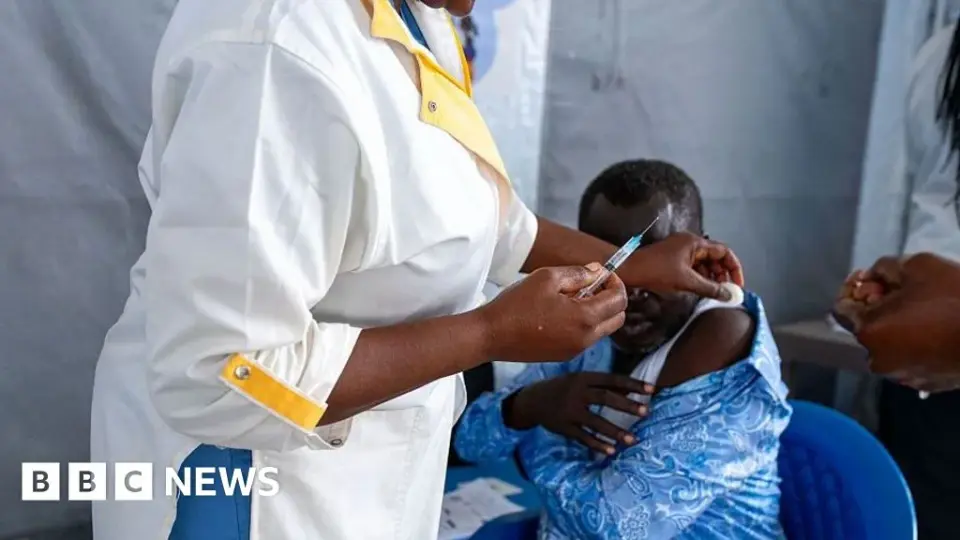
The Ebola outbreak in the Democratic Republic of Congo has surpassed 11,000 cases and 5,387 deaths, making it the second deadliest in history. Médecins Sans Frontières (MSF) warns that hundreds of millions of dollars allocated to the response are not reaching frontline workers or patients, citing unpaid staff and empty medical supplies. The Bundibugyo strain, which lacks an approved vaccine, has spread to eight provinces and neighboring countries, with experts predicting the crisis could last another year due to undetected cases.
Key points
- MSF reports a 'considerable disconnect' between disbursed funds and actual resources, leaving frontline responders with 'empty hands and empty pockets.'
- The outbreak has infected 11,042 people and killed 5,387 since its declaration in May, ranking as the second most deadly Ebola epidemic ever recorded.
- Africa CDC previously noted that $700 million of the $962 million disbursed for the response was unaccounted for, citing transparency failures rather than confirmed embezzlement.
- The Bundibugyo strain has no approved vaccine or treatment, though the WHO approved clinical trials for two new vaccines earlier this month with results expected in early 2027.
- MSF criticizes the uneven distribution of resources, noting that North Kivu and Haut-Uélé provinces are inadequately resourced, turning some health facilities into new transmission centers.
Background
The current crisis follows a rapid escalation in late 2026, with case counts surpassing 10,000 in late October. Previous archive reports highlighted the severe risks to international aid workers, including the evacuation of MSF staff to the Netherlands, and warned of potential cross-continental spread. The outbreak is being hampered by armed conflict, poor infrastructure, and community mistrust, which has led to violence against health workers in affected regions.
How outlets are covering it
While all sources agree on the grim mortality and infection statistics, they emphasize different aspects of the failure. MSF and Bloomberg focus on the financial mismanagement and lack of basic supplies for frontline workers, describing the response as 'out of control.' NPR and Al Jazeera highlight the broader logistical challenges, including armed conflict in Ituri and North Kivu, poor roads, and community violence fueled by misinformation. Africa CDC, cited by BBC, frames the missing funds as a 'transparency and financial reporting failure' rather than confirmed embezzlement, though MSF describes the situation as 'unacceptable' and 'dysfunctional.'
Why it matters
The failure to effectively utilize allocated funds and the lack of a specific vaccine for the Bundibugyo strain pose a significant risk for prolonged transmission. With two-thirds of deaths occurring in communities rather than treatment centers, and over half of cases potentially undetected, the outbreak threatens to spread further across Africa and potentially globally, straining international health systems and humanitarian resources.
What to watch
The WHO expects results from the approved Ebola vaccine trials in early 2027. Kenya has begun a 42-day countdown to being declared Ebola-free after discharging its last patient. MSF and other agencies are urging the Congolese government and UN agencies to strengthen oversight and accountability to ensure funds are effectively utilized and resources are directed to the most urgent areas.
- Ebola in DR Congo: Millions of dollars going missing as virus spreads, MSF warns BBC
- Ebola tops 11,000 cases in Congo's deadliest outbreak NPR
- Congo Ebola outbreak still out of control after six months, MSF says Reuters
- Ebola cases in DR Congo pass 11,000, with 5,387 deaths Al Jazeera
- Ebola Response in Congo Struggles Despite Nearly $1 Billion in Funding, MSF Says Bloomberg.com
Want the full story? Read the original reporting
Read on BBC