
Russian Lab Death Highlights Flaws in Global Health Reporting
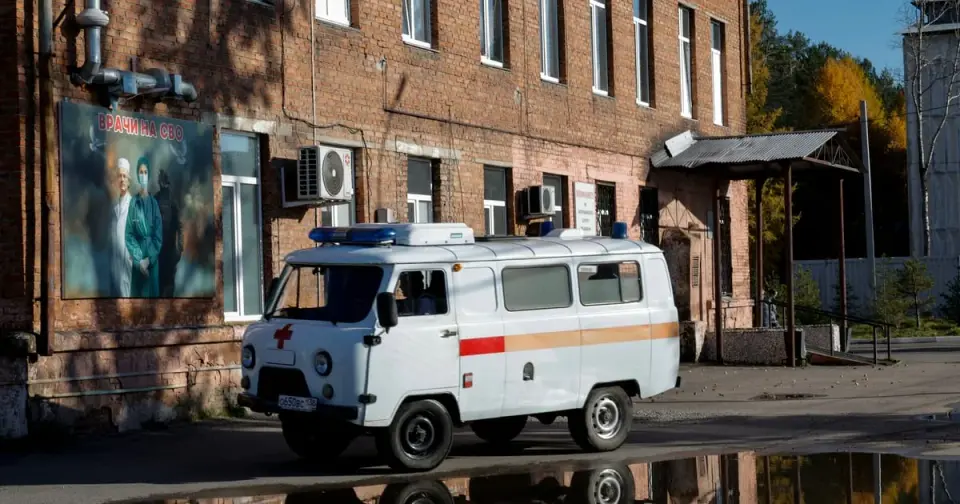
The death of a Russian lab worker has exposed significant weaknesses in the International Health Regulations (IHR). While Moscow reported the case as 'pneumonia of unknown origin,' the WHO and international bodies criticize the delay in information sharing and lack of transparency. Experts argue that the current system lacks enforcement mechanisms, relying on voluntary compliance that is eroding due to geopolitical tensions.
Key points
- A 28-year-old employee at the Irkutsk Anti-Plague Institute died in early October 2026, triggering global concern due to her work with plague bacteria.
- The WHO learned of the death through media reports rather than official Russian channels, highlighting a failure in the 24-hour notification requirement of the IHR.
- Russia took three days to respond to WHO inquiries, eventually classifying the cause of death as 'pneumonia of undetermined etiology' and stating there was no epidemic risk.
- The IHR lacks enforcement tools; the WHO can only publicly call out non-compliance, relying on member states for political pressure.
- EU lawmakers and US officials have urged Russia to share more data, warning that lack of transparency could lead to punitive border closures by other nations.
Background
This incident follows earlier reports in October 2026 where Russian officials initially denied a plague outbreak, reclassifying the death as 'unknown pneumonia' despite quarantining approximately 200 contacts. Previous coverage noted that while official testing found no plague pathogens, the discrepancy between initial reports and official statements sparked accusations of a cover-up. The current debate centers on whether the international system can handle such opacity, especially given the US withdrawal from the WHO earlier in the year and ongoing geopolitical fragmentation.
How outlets are covering it
Politico emphasizes the legal ambiguity of the IHR, noting that while Article 6 mandates notification for certain emergencies, Article 8 only 'encourages' reporting in other cases, leaving room for interpretation. The Guardian focuses on the political dimension, arguing that Russia's opacity is a symptom of a broader breakdown in international cooperation and that the WHO lacks the leverage to force compliance. Virginia Tech’s Tom Ewing highlights the historical context, noting that coverage is influenced by lingering distrust from the COVID-19 pandemic and China’s initial opacity, while acknowledging that plague research is generally for public health, though bioweapons concerns persist. All sources agree that the lack of transparency is the primary risk, not necessarily the disease itself, which is treatable if detected early.
Why it matters
The incident reveals that the IHR, signed by 196 countries, is ineffective without robust enforcement mechanisms. If nations do not comply with timely reporting, the risk of uncontrolled outbreaks increases, and other countries may resort to extreme measures like border closures. The WHO’s inability to police compliance, combined with declining trust in international institutions, threatens the global capacity to respond to future pandemics.
What to watch
The WHO and EU are pressing Russia for more data, including lab results and genetic sequences. The US has also requested information, with President Trump reportedly planning to discuss the issue with Vladimir Putin. The outcome will depend on whether Russia provides the requested transparency or if the international community can muster sufficient political pressure to enforce compliance, potentially leading to a re-evaluation of the IHR’s enforcement mechanisms.
- Russian pneumonia death exposes limits of international health rules POLITICO.eu
- Inside the Plague Research Labs at the Heart of a Russian Mystery The New York Times
- The Guardian view on plague in Russia: what is most worrying is the lack of information | Editorial The Guardian
- Pneumonic plague in Russia exposes a world still dangerously divided The Hill
- Expert weighs in on Russian lab death and the shadow of COVID-19 Virginia Tech News
Want the full story? Read the original reporting
Read on POLITICO.eu