
US Budget Proposal Threatens 124-Year Partnership with PAHO Amid Hemispheric Health Crisis
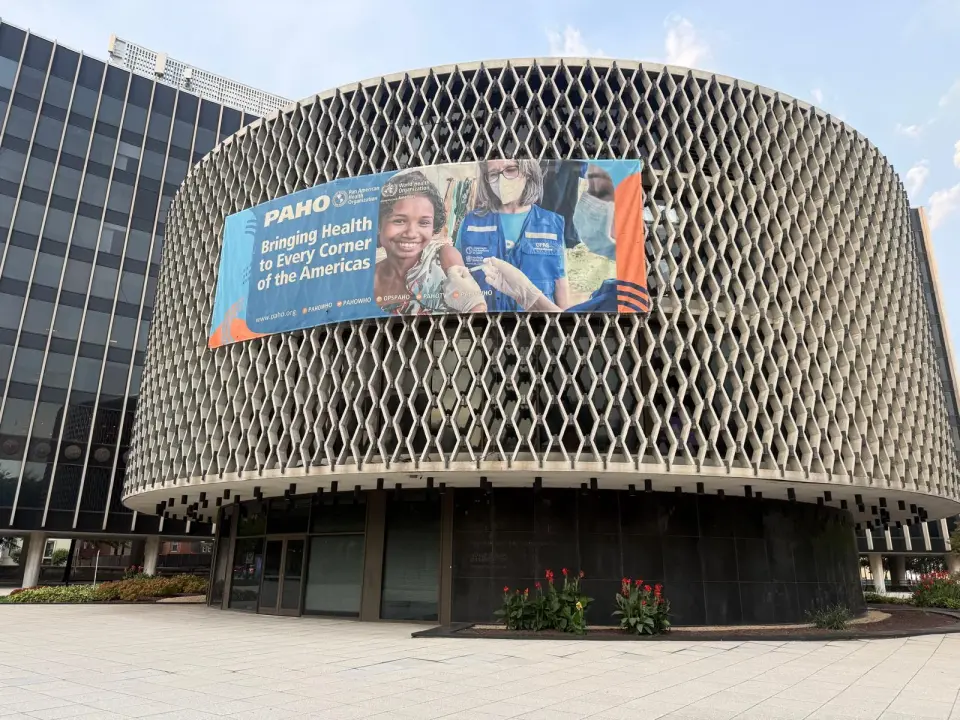
The US administration’s FY2027 budget request proposes eliminating funding for the Pan American Health Organization (PAHO), the oldest multilateral health body in the world. This move threatens a 124-year partnership and risks crippling disease surveillance in the Western Hemisphere. PAHO has already cut its budget by 17% and reduced staff by nearly 200 positions due to unpaid US dues of $135 million. A bipartisan coalition of former officials warns that defunding PAHO leaves a vacuum in regional health security, as USAID and CDC offices have been shuttered or are uncertain. Critics argue that diseases like dengue and avian flu do not respect borders, making regional cooperation essential for US national security. Congress may still appropriate funds, as some lawmakers have opposed the administration’s rescission efforts.
Key points
- The US President’s FY2027 budget request proposes eliminating all funding for PAHO, labeling the organization 'corrupt' and politically influenced.
- The US is PAHO’s largest contributor, accounting for half of member state contributions, but currently owes nearly $135 million in fees since 2024.
- PAHO has responded to funding shortfalls by cutting its budget by 17% and reducing staff from 1,042 to approximately 869 positions for the 2026-2027 cycle.
- A bipartisan coalition called 'Friends of PAHO,' comprising over 100 former national security and health officials, urges Congress to maintain funding to protect US health security.
- The administration previously withheld $45 million in PAHO funds via a 'pocket rescission' in September 2025, citing a decade-old scandal involving Cuban doctors in Brazil.
- PAHO remains the primary regional coordinator for health security in the Americas, as USAID missions have closed and CDC regional offices face uncertainty.
Background
This development follows a broader trend of US disengagement from international health institutions, including the withdrawal from the World Health Organization. Previous coverage in our archive highlights the US government’s aggressive stance on border security and cartel operations in the Western Hemisphere, suggesting a shift toward unilateral military and security strategies over multilateral cooperation. The current proposal to defund PAHO aligns with this pattern, despite warnings from experts that regional health threats like dengue and avian influenza require coordinated, multilateral responses to prevent spillover into the US.
Why it matters
Defunding PAHO could leave the Western Hemisphere without a central mechanism for coordinating disease surveillance and response, increasing the risk of outbreaks like measles and dengue spreading to the US. The move also signals a potential shift in US foreign policy away from multilateral health security, potentially allowing strategic competitors to fill the vacuum in the region. For Congress, the decision to appropriate funds despite the administration’s request will test the limits of executive power over foreign aid and global health commitments.
What to watch
Congress will decide whether to appropriate funds for PAHO in the FY2027 budget, potentially overriding the administration’s proposal. PAHO will continue operations with reduced staff and budget, relying on partnerships with Canada, the EU, and the World Bank. The administration may further withhold funds or formally withdraw from PAHO, though it remains a member state. Ongoing outbreaks of dengue, measles, and avian influenza will test the resilience of the regional health system in the absence of full US support.
Want the full story? Read the original reporting
Read on Health Policy Watch