As millions gather for the World Cup, health officials monitor for infectious disease threats—from measles to dengue—using wastewater testing, hospital data, and a national surveillance dashboard run by a Health Security Operations Center; emphasis is on vaccination, early warning, and coordination among local and federal agencies to detect trouble without causing alarm.
The article warns that despite the ongoing threat of bird flu and its expanding reach into mammals, global disease surveillance systems are underfunded and weakened, risking delayed responses and potential future pandemics, echoing past failures in handling COVID-19.
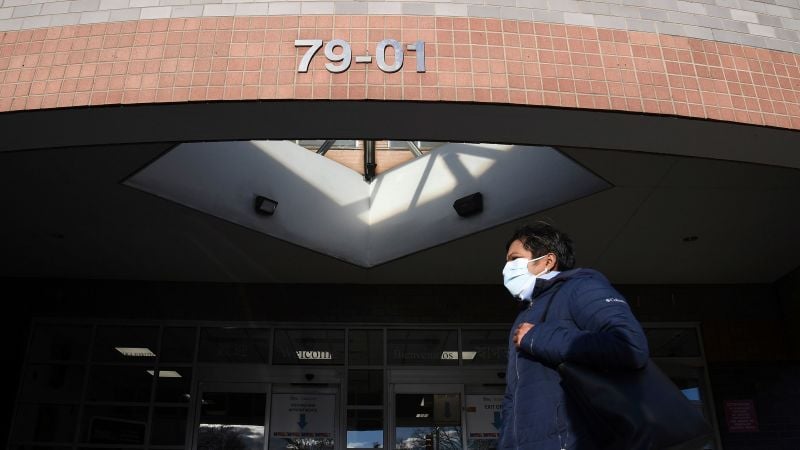
The US federal government shutdown has halted national respiratory virus surveillance, creating critical gaps in data on flu, COVID-19, and RSV just as the season begins, potentially impairing public health responses and communication, despite ongoing local efforts and some data collection by states.
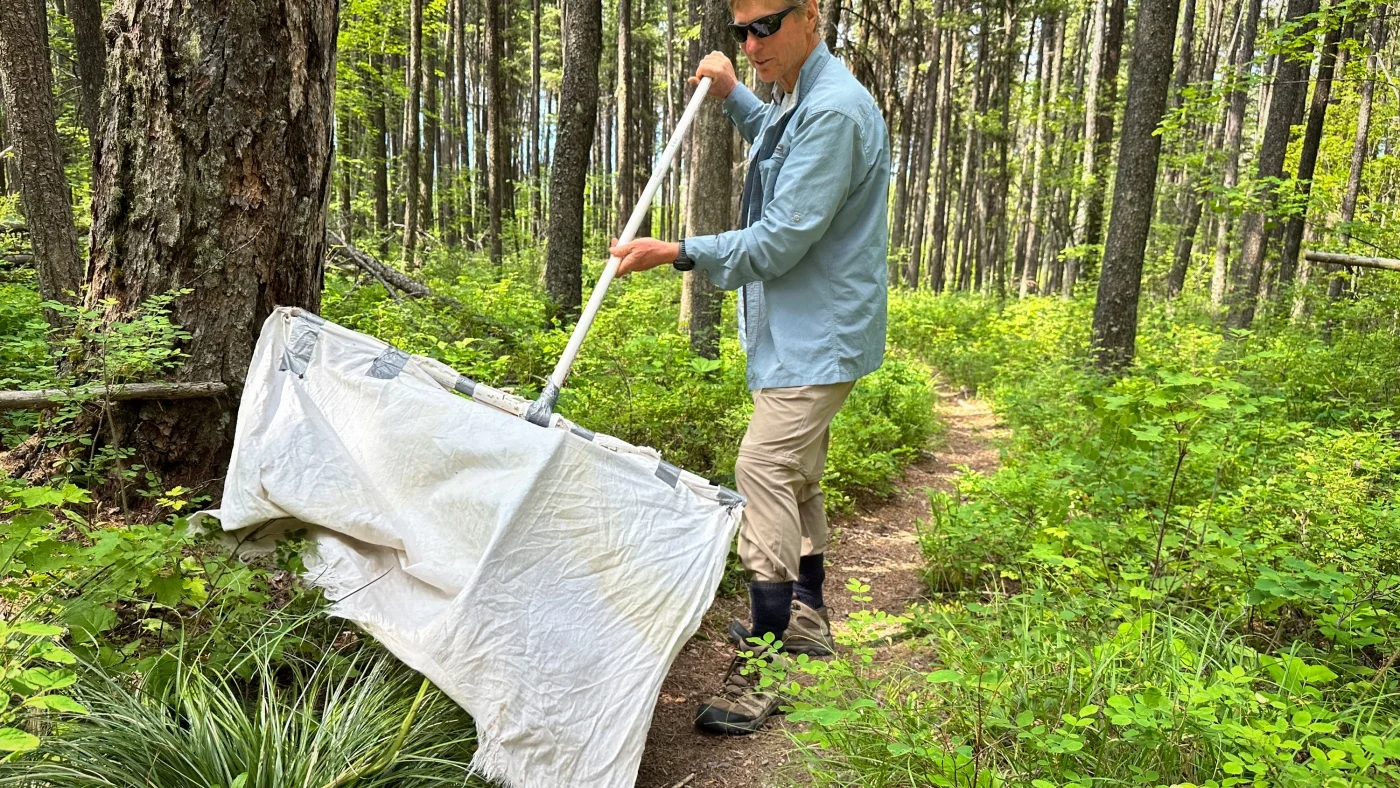
Biologist Grant Hokit conducts tick surveys in Montana to monitor the migration of tick species, including the first sightings of deer ticks that carry Lyme disease, amid limited surveillance funding. This data is crucial for healthcare providers to diagnose and treat tick-borne illnesses effectively, but resource constraints hinder comprehensive monitoring across the state.
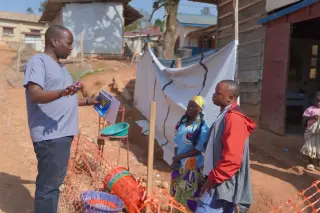
The article discusses Cambodia's efforts to combat H5N1 and Disease X through innovative air sampling techniques in markets and caves, aiming to improve disease detection, reduce risks, and enhance prevention strategies against zoonotic viruses like avian influenza and coronaviruses.
Experts warn that pandemic preparedness in the US has significantly deteriorated under the Trump administration, with weakened health agencies, reduced surveillance, and poor communication increasing the risk of uncontained outbreaks and a future pandemic.
Wastewater monitoring, a technique popularized during the COVID-19 pandemic, is being explored as an early warning system for measles outbreaks in the U.S., helping detect community spread and guide vaccination efforts, especially in areas with limited testing access.
The CDC plans to consolidate disease data into a new system managed by Palantir, raising concerns about patient privacy, potential delays in trend analysis, and possible misuse of information by the government, amid ongoing efforts to modernize outdated data systems exposed during the COVID pandemic.
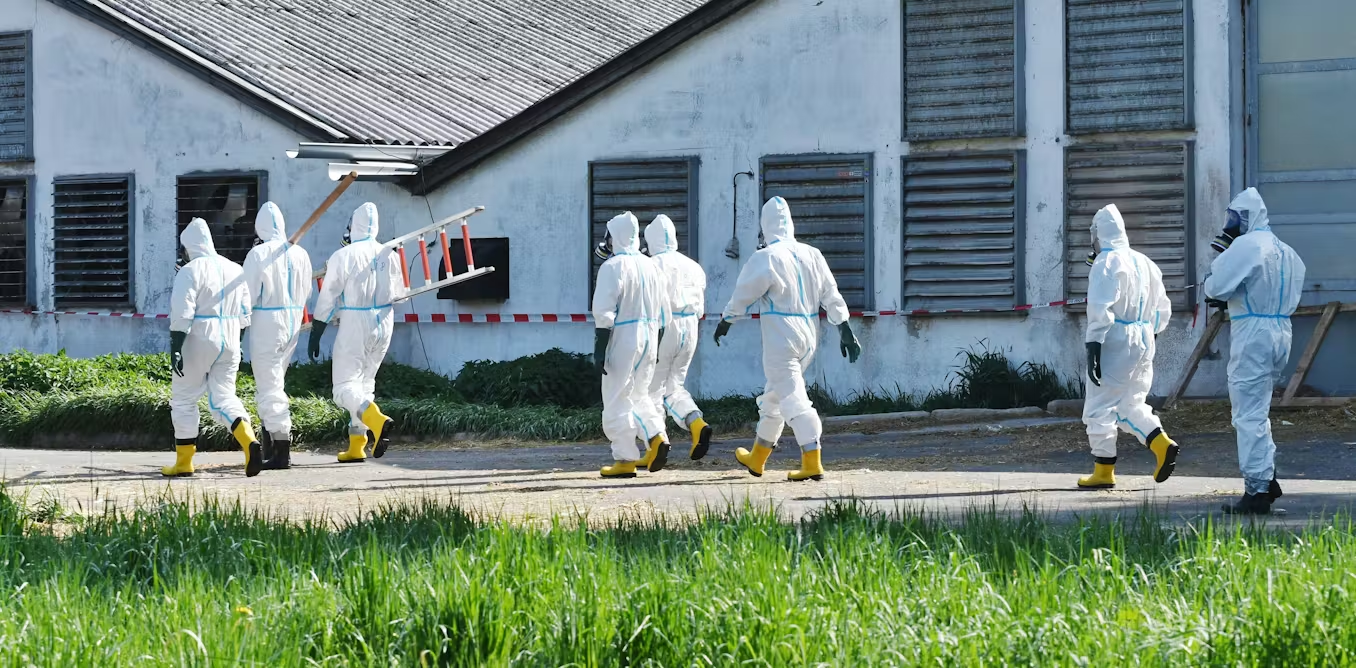
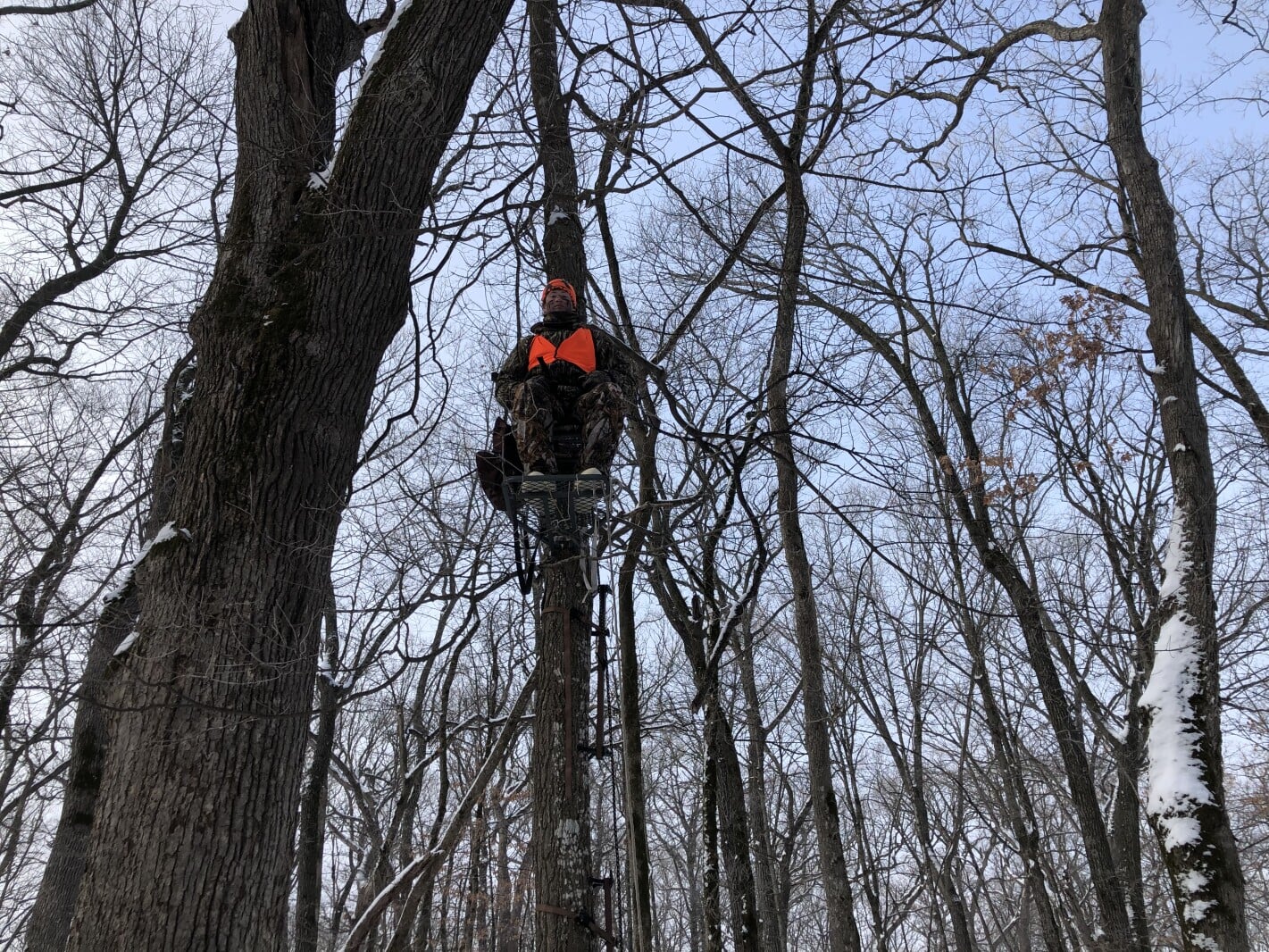
A buck harvested near Wheaton, Minnesota, tested positive for chronic wasting disease (CWD), marking the first detection of CWD in Deer Permit Area 271, which includes Traverse County and parts of Big Stone and Wilkin counties. The Minnesota Department of Natural Resources plans to implement a three-year testing plan to assess the disease's prevalence and will coordinate with South Dakota and North Dakota wildlife agencies. Management actions may include carcass movement restrictions and bans on deer feeding to prevent the spread of CWD.
Poliovirus has been detected in sewage in Germany, Poland, and Spain, prompting health authorities to urge increased immunization and disease surveillance efforts. Although no polio cases have been reported, the presence of the virus in wastewater highlights potential gaps in vaccination coverage that could allow the virus to spread, especially among unvaccinated populations. Authorities emphasize the importance of maintaining high vaccination rates and robust surveillance systems to prevent outbreaks, as polio remains endemic in some regions outside Europe.
Cuba's health ministry has reported cases of the Oropouche virus in Santiago province, with patients showing improvement within days. The Pan American Health Organization has noted rising cases in the Americas, urging enhanced surveillance. The virus, spread by biting midges and mosquitoes, presents symptoms similar to dengue.
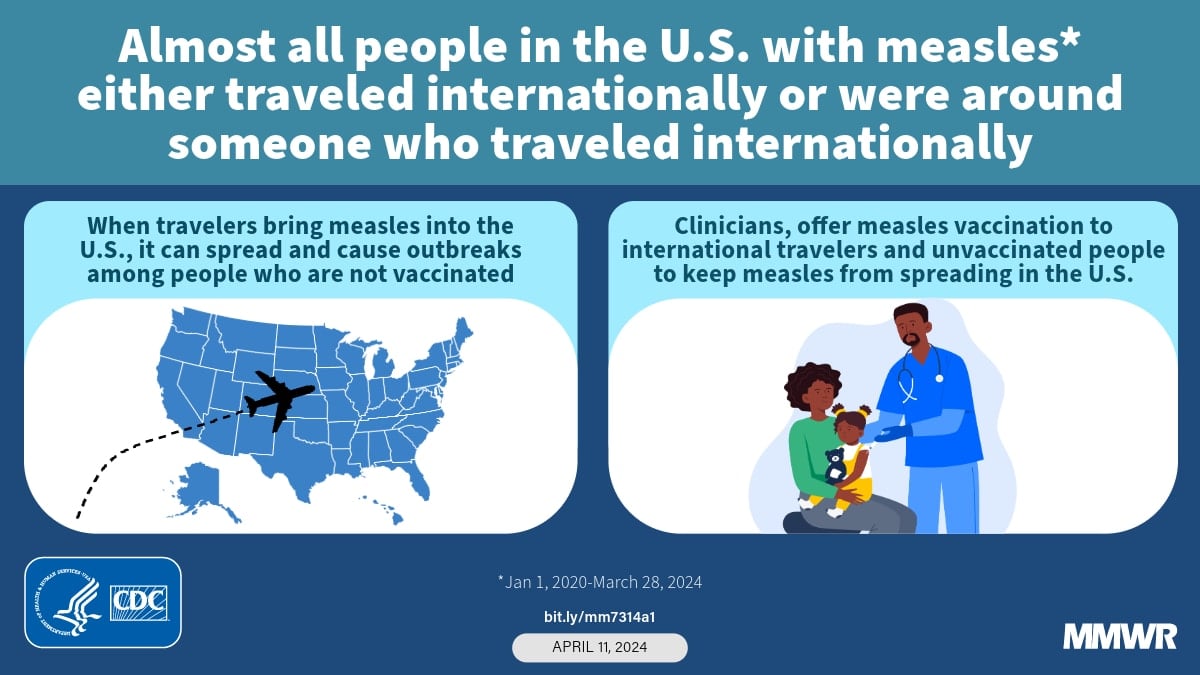
The United States maintained its measles elimination status as of the end of 2023, despite a total of 338 reported measles cases from January 1, 2020, to March 28, 2024, with 29% occurring in the first quarter of 2024, mostly in unvaccinated individuals. The risk for widespread measles transmission remains low due to high population immunity, but efforts are needed to increase routine vaccination coverage, especially in undervaccinated communities, and to rapidly investigate suspected measles cases to prevent further cases and complications.
A deer harvested near Wabasha in southeastern Minnesota has tested positive for chronic wasting disease (CWD), prompting the Minnesota Department of Natural Resources (DNR) to place the surrounding area under surveillance. The DNR's response plan includes three years of mandatory testing to determine the potential prevalence of the disease. Hunters are required to have their deer tested for CWD during opening weekend of firearms season. Since 2002, the DNR has tested over 130,000 deer, with 236 testing positive for CWD, mostly in southeastern Minnesota.
As the world gets closer to eradicating polio, health authorities are planning for the post-polio era to ensure the virus doesn't make a comeback. The final steps towards eradication are challenging, as polio can still exist in testing labs, manufacturing facilities, and even in some people. The main tool for eradication is vaccination, with both inactivated and oral poliovirus vaccines being used. However, the oral vaccine carries the risk of vaccine-derived polio outbreaks. After eradication, surveillance for poliovirus cases and monitoring of wastewater will be crucial to detect any potential resurgence. Additionally, efforts must be made to contain the virus in research and manufacturing facilities. Maintaining high vaccination rates and building resilient health systems will be essential to prevent the return of polio and ensure global public health security.
The CDC is expanding its infectious disease surveillance program at four major US airports to include more than 30 pathogens, such as flu and respiratory syncytial virus (RSV). The program, which began during the Covid-19 pandemic, collects nasal swab and wastewater samples from arriving international travelers to detect new variants and other pathogens. The surveillance program has tested over 370,000 travelers and collected samples from over 135 countries. By monitoring respiratory viruses, including flu, the CDC aims to detect and track emerging infections. The program has detected Covid-19 variants up to six weeks before they were officially reported nationwide.