
Water Caps Identified as Key Mechanism in Tau Protein Misfolding for Alzheimer's
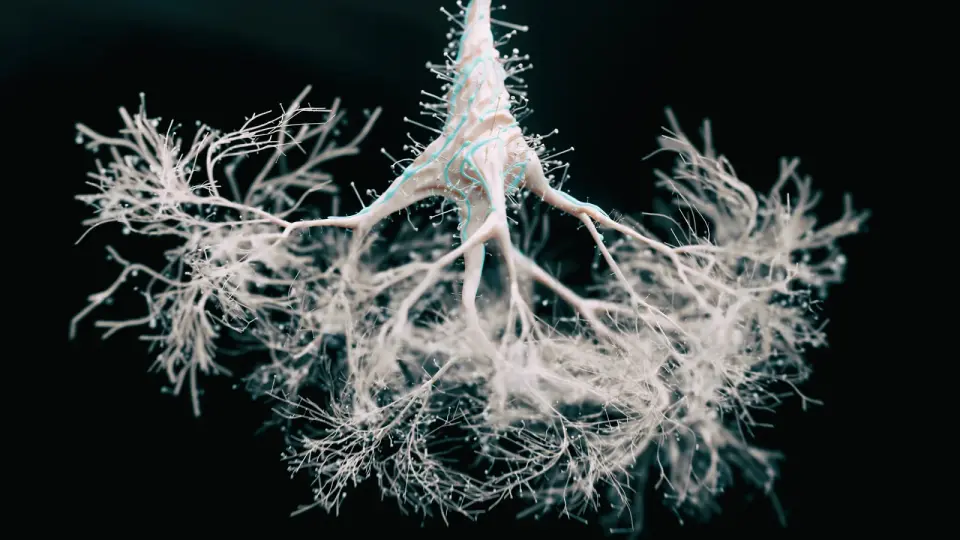
Researchers at Northwestern University and UC Santa Barbara have identified a specific molecular mechanism by which tau proteins misfold into fibrils in Alzheimer's disease. Published in PNAS, the study reveals that water molecules form stabilizing caps around hydrophobic 'hotspots' on mutated tau proteins. When these caps release energy, they trigger the proteins to stack into rigid fibrils, which eventually kill brain cells and spread the disease. Blocking this hotspot with chemical tags halted fibril growth in tests, suggesting a potential target for future therapies.
Key points
- A study in PNAS by researchers from Northwestern University and UC Santa Barbara explains how tau proteins misfold into fibrils in Alzheimer's and other dementias.
- The research identifies a hydrophobic 'hotspot' on mutated tau proteins that is repelled by water but protected by water caps.
- The release of these water caps provides the energy needed to recruit new tau proteins and trigger the misfolding process into rigid fibrils.
- Experimental blocking of this hotspot with chemical tags successfully stopped fibril growth, indicating a viable target for drug development.
- The findings suggest that synthetic tau fibrils could be created to study disease progression, overcoming the difficulty of using live patient tissue.
Background
This discovery adds to recent shifts in Alzheimer's research, which has moved beyond the traditional amyloid hypothesis to consider systemic immune and vascular triggers. While previous studies highlighted peripheral immune activation and vascular damage as contributors to tau-related damage, this new research focuses on the specific molecular mechanics of how tau aggregates spread within the brain once initiated.
Why it matters
Understanding the precise role of water in tau misfolding provides a concrete molecular target for developing drugs that can prevent fibril formation and propagation. This could lead to therapies that stop the spread of damage in the brain, addressing a major challenge in treating neurodegenerative diseases where current treatments are limited.
What to watch
Researchers plan to use these insights to create synthetic tau fibrils for studying disease progression. Additionally, the identification of the hotspot offers a basis for developing drugs that block the misfolding process, potentially preventing the spread of tau aggregates in the brain.
Want the full story? Read the original reporting
Read on ScienceAlert