
WHO data shows India’s life expectancy surpasses Pakistan’s but trails Bangladesh and Western nations
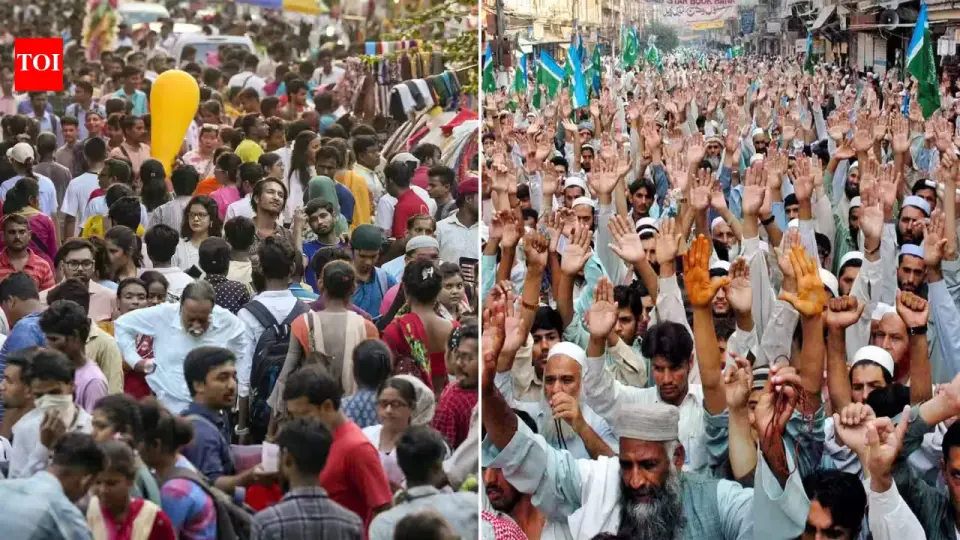
The World Health Organization’s 2023 estimates reveal that India’s life expectancy reached 71 years, exceeding Pakistan’s 68.2 years but falling short of Bangladesh’s 72.7 years. While global life expectancy has nearly recovered to pre-pandemic levels, healthy life expectancy remains lagging. India’s disease profile has shifted dramatically, with non-communicable diseases now accounting for 75% of top causes of death, a reversal from 2000 when communicable diseases dominated.
Key points
- India’s life expectancy at birth was 71 years in 2023, compared to 68.2 years in Pakistan and 72.7 years in Bangladesh.
- Healthy life expectancy in India reached 60.6 years in 2023, recovering from a 2021 low of 58.4 years but remaining 0.1 year below 2019 levels.
- Non-communicable diseases accounted for 75% of India’s top 10 causes of death in 2023, up from 34% in 2000.
- Globally, life expectancy reached 73.3 years in 2023, nearly matching the 73.4 years recorded in 2019.
- Ischaemic heart disease remained the leading global cause of death, responsible for approximately 9.5 million deaths in 2023.
Background
This report follows the WHO’s release of its Global Health Estimates, which track trends from 2000 to 2023. Previous coverage in our archive does not provide direct background on health metrics, but the current data highlights a significant epidemiological transition in India, moving away from infectious diseases toward chronic conditions. The pandemic’s impact on life expectancy is evident, with India losing 2.4 years between 2019 and 2021 before regaining 2.9 years in the subsequent two years.
How outlets are covering it
The Times of India emphasizes the comparative disadvantage of India relative to Bangladesh and Western nations, highlighting the gap between life expectancy and healthy life expectancy. WHO and UN News focus on the global recovery of life expectancy and the rising burden of non-communicable diseases, particularly dementia and cardiovascular conditions. TheCable provides a detailed breakdown of the top 10 causes of death globally, noting that COVID-19 dropped out of the top 10 for the first time since 2020. All sources agree on the core metrics but differ in emphasis: The Times of India focuses on regional comparisons, while WHO and UN News highlight global trends and policy implications.
Why it matters
The shift toward non-communicable diseases in India signals a need for healthcare systems to adapt to chronic disease management. The gap between life expectancy and healthy life expectancy indicates that Indians are living longer but not necessarily healthier, posing challenges for public health infrastructure. Globally, the rise in dementia and mental health disorders underscores the need for targeted interventions and resource allocation.
What to watch
Health systems in India and other countries will need to focus on managing non-communicable diseases and improving healthy life expectancy. WHO will continue to monitor trends and provide data to guide policy decisions. The recovery of life expectancy to pre-pandemic levels is a positive sign, but the slower recovery of healthy life expectancy suggests ongoing challenges in health quality.
- Indians live longer than Pakistanis, lag Bangladeshis, says WHO The Times of India
- New WHO estimates show changing global health landscape World Health Organization (WHO)
- Global life expectancy bounces back to near pre-pandemic levels, WHO says UN News
- Ischaemic heart disease, stroke, diabetes… WHO lists top 10 causes of death globally TheCable
- COVID-19 Drops Out of World’s Top 10 Causes of Death for First Time Since Pandemic Began Health Policy Watch
Want the full story? Read the original reporting
Read on The Times of India