
Ombudsman report highlights NHS failures in providing sign language interpreters for deaf patients
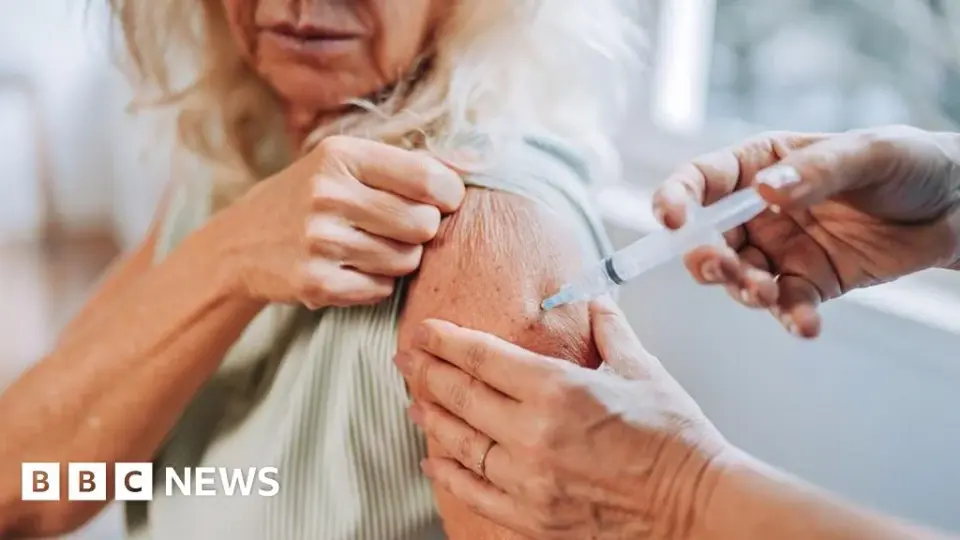
A Parliamentary and Health Service Ombudsman report reveals that a deaf woman received the wrong vaccine because her doctor's surgery failed to provide a British Sign Language interpreter. The report details how the patient, Samantha, was given a Covid shot instead of a flu jab despite showing staff a note specifying her request. The Ombudsman found that disabled people are frequently let down by inaccessible communications, leading to serious healthcare errors. In response, the Department of Health and Social Care called the incidents unacceptable, while NHS England affirmed its commitment to improving accessibility standards for patients with communication needs.
Key points
- Samantha, a deaf patient, was given a Covid vaccine instead of a flu jab because her GP surgery did not provide a BSL interpreter to clarify her request.
- The practice claimed it obtained consent from Samantha's grandmother, who has early-stage dementia and was not present in the treatment room, despite Samantha showing a note stating she was there for the flu jab only.
- The Parliamentary and Health Service Ombudsman recommended the surgery apologize and pay Samantha £450 in compensation; the practice has since contracted a sign language interpreting service.
- The report cites another case involving Alan Graham, a deaf cancer patient in Birmingham, whose teenage grandson was asked to interpret critical news about his potential death when no professional interpreter was available.
- Since April 2020, the Ombudsman has concluded 623 investigations regarding reasonable adjustments, with 496 being upheld or partly upheld, highlighting systemic issues in accessible communication.
Background
This incident follows a broader pattern of accessibility failures in UK healthcare, as noted in previous coverage of disability rights issues. While earlier archive articles focused on international incidents like the mislabeling of African countries at an AIDS conference or telehealth dosing errors in the US, this report specifically addresses domestic NHS compliance with legal requirements for accessible communication. The Ombudsman's findings align with ongoing concerns about how public services accommodate neurodivergent and disabled individuals, a topic that has seen increased scrutiny in recent months regarding maternity care and other public service interactions.
Why it matters
The report underscores a critical gap in NHS compliance with legal obligations to provide reasonable adjustments for disabled patients. By failing to use professional interpreters, healthcare providers risk misdiagnosis, incorrect treatment, and severe psychological harm, as seen in the cases of Samantha and Alan Graham. The findings suggest that despite existing standards, many practices still rely on informal or inadequate communication methods, eroding patient trust and safety. The Ombudsman's ability to order financial compensation serves as a deterrent, but the high number of upheld complaints indicates that systemic changes are needed to ensure equitable access to healthcare information for all patients.
What to watch
NHS England has stated it has refreshed its standards for providing safe and effective care for those with communication needs. The Ombudsman expects continued pressure on public organizations to implement robust accessible communication protocols, including the use of professional interpreters and accessible formats like large print or audio materials. The NHS Northamptonshire Integrated Care Board has expressed regret over the incident and emphasized the expectation for practices to make reasonable adjustments. Future investigations will likely focus on whether these new measures are effectively preventing similar errors and ensuring that disabled patients receive the support they are legally entitled to.
Want the full story? Read the original reporting
Read on BBC