
Climate Change Shifts Malaria Burden Across Africa, but Interventions Remain Key
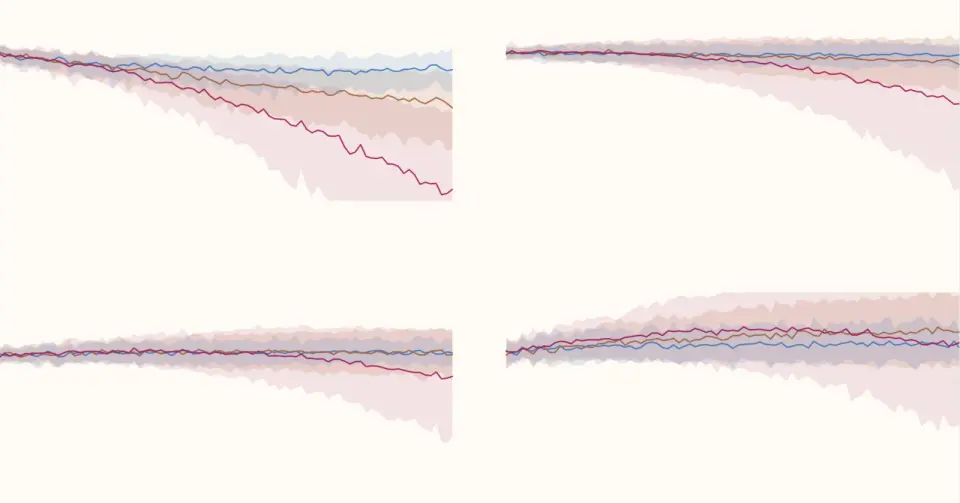
Climate change is altering malaria distribution in Africa, potentially reducing cases in West Africa while increasing them in the South and East. However, human interventions like vaccines and bed nets have a far greater impact on reducing global malaria deaths than climate factors alone.
Key points
- Malaria transmission peaks at 25°C; rising temperatures push West Africa away from this optimum, reducing local prevalence, while moving Southern and Eastern Africa closer to it, increasing risk.
- Historical climate change has had a small net effect on global malaria prevalence, with recent declines driven primarily by public health interventions rather than temperature changes.
- Extreme weather events, such as flooding, pose a significant risk by creating breeding grounds for mosquitoes and disrupting healthcare infrastructure, potentially offsetting temperature-related reductions.
- Global malaria incidence has risen by 8.5% over the past decade despite long-term declines, highlighting the need for continued control measures.
- Future projections suggest that while West Africa may see fewer cases, other regions will face increased burdens, making coordinated climate and health strategies essential.
Background
Previous coverage has highlighted how climate change expands disease frontiers, including malaria and dengue, and how extreme weather events like floods can trigger outbreaks. Recent reports on El Niño and heat-related deaths underscore the broader impact of climate change on global health, particularly in the Global South.
How outlets are covering it
Our World in Data emphasizes that climate change’s impact on malaria is complex and regionally uneven, with potential benefits in some areas but risks in others. They stress that human interventions have a much larger effect on reducing malaria than climate factors. News-Medical, citing a Monash University study, highlights that while malaria rates have declined due to interventions, dengue rates have risen due to urbanization and climate change. Both sources agree that coordinated action, including vector control and vaccine deployment, is critical to addressing mosquito-borne diseases in a changing climate.
Why it matters
Understanding the nuanced relationship between climate change and malaria is crucial for effective public health planning. While some regions may benefit from reduced transmission, others face increased risks, and extreme weather events can exacerbate outbreaks. Investing in interventions and climate resilience is essential to mitigate the growing burden of mosquito-borne diseases.
What to watch
Future research will focus on improving the prediction of extreme weather impacts on malaria and developing coordinated strategies that address both climate and non-climate factors. Continued investment in vaccines, bed nets, and vector control will be vital to reducing global malaria burden.
- What impact will climate change have on malaria? Our World in Data
- Monash study urges coordinated action to fight mosquito-borne diseases News-Medical
- Climate Change Raises Major Disease Risks For Australia Cambodianess
Want the full story? Read the original reporting
Read on Our World in Data