Tag

Malaria

All articles tagged with #malaria

Catnip-based lotion rivals DEET in field tests for malaria-prone areas
science17 hours ago

Catnip-based lotion rivals DEET in field tests for malaria-prone areas

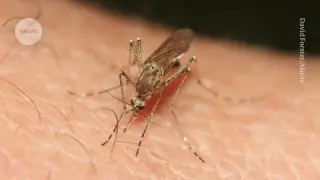
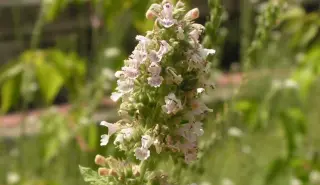
A field study in eastern Uganda found a catnip oil lotion (2% and 6%) protected people from mosquito bites as effectively as a DEET-based repellent, suggesting a low-cost, locally producible option for malaria prevention. The researchers emphasize affordability and local production, while noting repellents work best with consistent weekly use and should complement other measures like bed nets and indoor spraying.

Catnip lotion rivals DEET for mosquito protection in Uganda study
health3 days ago

Catnip lotion rivals DEET for mosquito protection in Uganda study

A field and laboratory study in Uganda found that a 6% catnip oil lotion was as effective as 15% DEET in repelling mosquitoes, while a 2% catnip lotion was only marginally less effective. The lotion can be locally produced by a community enterprise, offering a low-cost, sustainable tool for malaria control in rural areas, with plans to scale production and improve access—though further research on usage and compliance remains important.

Ancient DNA Confirms Malaria Claimed the Medici Brothers, Not Poison
archaeology8 days ago

Ancient DNA Confirms Malaria Claimed the Medici Brothers, Not Poison

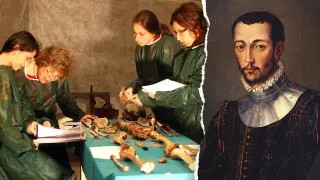
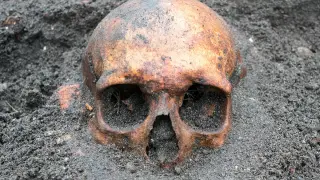
A DNA study of Francesco I and Giovanni de’ Medici’s remains finds Plasmodium falciparum in both brothers and Plasmodium malariae in Francesco, confirming malaria—not poison—as the cause of death in 1587; researchers also identified a novel P. falciparum lineage in Giovanni, suggesting historic parasite movements across Europe during population growth. Published in iScience (2026) by Ochoa et al., the work aligns with Renaissance fever records and highlights how ancient DNA clarifies the history of one of humanity’s oldest diseases.

Ancient DNA nails malaria as the Medici brothers’ demise
science9 days ago

Ancient DNA nails malaria as the Medici brothers’ demise

An international team analyzed the 16th‑century remains of Cardinal Giovanni de’ Medici and Grand Duke Francesco I and found DNA evidence of malaria parasites, confirming they died of malaria rather than poisoning; Francesco’s bones show infection with both P. falciparum and P. malariae, while Giovanni carried a novel P. falciparum strain. The work, published in iScience, provides insight into malaria’s evolution in Europe and suggests swampy Tuscany environments facilitated transmission in the Medici era.

New Malaria CD8+ T Cell Targets Offer Cross-Species Vaccine Potential
science9 days ago

New Malaria CD8+ T Cell Targets Offer Cross-Species Vaccine Potential

Immunopeptidomics identified 453 Plasmodium vivax–derived peptides presented by HLA class I on Pv-infected reticulocytes, mapping to 166 parasite proteins. About 75 housekeeping antigens are conserved across Plasmodium species; identical peptides are presented by multiple HLA alleles, including HLA-E. Antigenicity validated in Pv- and Pf-infected humans, with T cell responses observed in blood and liver of non-human primates; two antigens also conferred protective CD8+ T cell immunity in mice. These cross-stage, cross-species antigens hold promise for a universal malaria vaccine. Data are available via ProteomeXchange (PXD077321).

Global Health Watch: Ebola, Dengue, and Avian Flu Dominate Infectious Updates
health1 month ago

Global Health Watch: Ebola, Dengue, and Avian Flu Dominate Infectious Updates

A Daily Kos Infectious Information update flags multiple concurrent outbreaks: Ebola outbreaks intensified by regional conflict, rising dengue cases worldwide, a new hantavirus case in Spain bringing totals to 13, and concerns about malaria reintroduction in the US, alongside avian flu affecting farms and wildlife. The report also notes dog leptospirosis, FDA discussions on pediatric Covid vaccine safety and myocarditis trends, and rising antibiotic-resistant Staphylococcus aureus, while the Daily Kos community appeals for reader support amid financial pressures.

Aid Cuts and Climate Change Drive Zimbabwe's Malaria Surge
world1 month ago

Aid Cuts and Climate Change Drive Zimbabwe's Malaria Surge

Zimbabwe is experiencing a malaria surge driven by US aid cuts that disrupted control programs and climate-driven mosquito breeding, with 65,399 cases and 174 deaths reported Jan–Apr 2026. Shortages of nets, diagnostic kits and medicines in rural areas, plus weakened surveillance after ZAPIM II/ZENTO funding cuts, have undermined prevention and treatment, threatening years of progress toward elimination unless funding is restored and preventive measures are strengthened.

Imported Malaria Death Triggers Health Vigil in Antigua and Barbuda
health1 month ago

Imported Malaria Death Triggers Health Vigil in Antigua and Barbuda

Health officials in Antigua and Barbuda confirmed the death of a visiting traveler who contracted malaria after arriving from a malaria-endemic country; the death is considered imported with no evidence of local transmission. Authorities also reported a second imported malaria case in recent days and said public health teams have intensified surveillance and mosquito-control efforts to prevent any spread.

Five hopeful science breakthroughs reshaping health and energy
science2 months ago

Five hopeful science breakthroughs reshaping health and energy

Nature highlights five uplifting science stories from 2025–26: infants can now be treated for malaria with the weight-tailored drug artemether-lumefantrine, reducing infant deaths; six Leigh syndrome patients show mobility and breathing improvements after sildenafil (Viagra) treatment, though more trials are needed; engineered bacteria produce hydrogen from waste bread with a catalyst, cutting greenhouse-gas emissions; researchers extract hydrocarbon-rich biofuel from date-palm leaf fibers, offering a new energy source and waste-management benefit; and a US study finds HPV vaccination in boys and men linked to a 46% reduction in several cancers, underscoring the vaccine’s power for cancer prevention.

Malaria as the Invisible Cartographer of Ancient Africa
science2 months ago

Malaria as the Invisible Cartographer of Ancient Africa

A Science Advances study shows malaria risk helped shape where Sub-Saharan Africans lived over 74,000 years, using mosquito distribution models and paleoclimate data to compute a 'malaria stability index' and revealing humans avoided high-malaria zones until around 14,000–13,000 years ago, a shift that aligns with the emergence of the sickle cell mutation and highlights disease as a key driver of ancient human geography and population structure.

WHO approves first infant-focused malaria treatment and expands rapid diagnostics
health2 months ago

WHO approves first infant-focused malaria treatment and expands rapid diagnostics

WHO prequalified the first malaria treatment for newborns and young infants (artemether-lumefantrine) and added three rapid diagnostic tests that use pf-LDH to detect malaria where HRP2-based tests miss cases, helping close a long-standing treatment gap for about 30 million babies born each year and improving diagnosis in HRP2-deletion areas ahead of World Malaria Day 2026.

Vaccines Promise Progress, but Funds and Access Lag in Malaria Fight
health2 months ago

Vaccines Promise Progress, but Funds and Access Lag in Malaria Fight

Despite the efficacy of two malaria vaccines (RTS,S and R21), deaths from malaria rose to 610,000 in 2024 from 575,000 in 2018 as cases increased, with vaccines failing to reach the most at-risk populations in Africa. Four-dose regimens, logistical delivery, and insufficient funding hinder rollout. The piece argues that with sustained funding, better coordination, and integrating vaccination with bed nets and antimalarial drugs, malaria deaths could be halved by 2035; elimination is feasible in some countries when malaria is treated as a national priority, but global investment (e.g., Gavi) and political will are urgently needed.