
HPAI confirmed in wild birds at Monroe’s Lake Tye Park as state tracks broader poultry risks
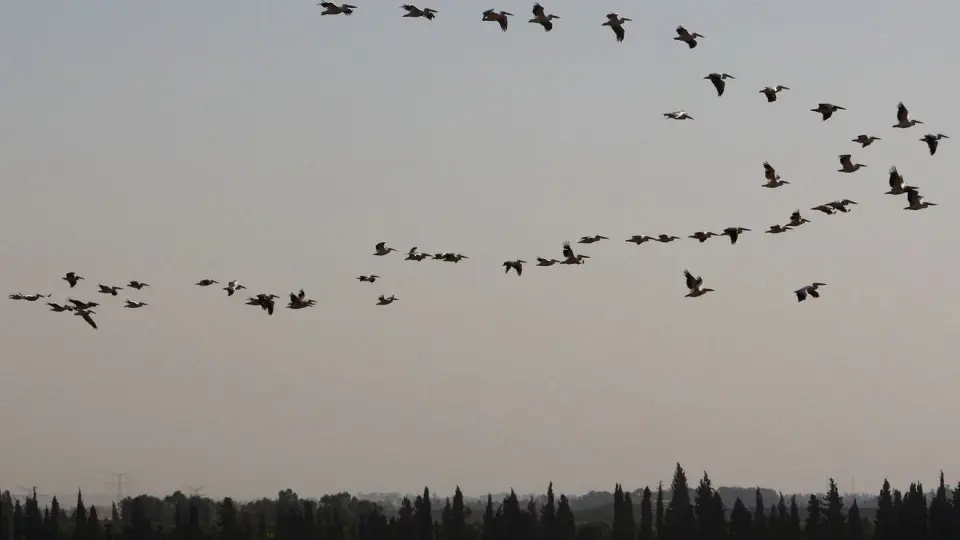
The Snohomish County Health Department confirmed that dead birds found at Lake Tye Park in Monroe have preliminarily tested positive for Highly Pathogenic Avian Influenza (HPAI). While officials emphasize that the risk to the general public remains low and human transmission is uncommon, they are monitoring two Washington Department of Fish and Wildlife workers who handled the carcasses. This local detection coincides with a separate HPAI case at a commercial poultry facility in Pierce County, prompting statewide biosecurity alerts and quarantine measures for affected farms.
Key points
- Snohomish County Health Department confirmed preliminary HPAI tests for dead birds at Lake Tye Park in Monroe.
- Two WDFW workers who collected the carcasses with proper protective equipment are self-monitoring for symptoms.
- No other HPAI cases have been reported in Snohomish County, and there is no evidence of broader community risk.
- A separate HPAI detection at a commercial poultry facility in Pierce County has triggered quarantine and disease control measures.
- Officials advise the public not to touch dead wild birds and to report sick domestic flocks to the WSDA Sick Bird Hotline.
Background
This detection follows a series of HPAI events in Washington state, including a commercial poultry case in Pierce County and backyard flock infections in Yakima and Kittitas counties. The state has also recorded its first H5N1 fatality in 2026, linked to dairy exposure, though no human-to-human transmission has been documented. These incidents highlight ongoing concerns about viral spread among wild and domestic birds, particularly as migratory waterfowl return.
How outlets are covering it
KOMO and KIRO 7 News focus on the local impact at Lake Tye Park, emphasizing that while the virus circulates naturally among birds, the risk to the general public is low. They highlight the precautionary monitoring of wildlife workers and urge residents to avoid contact with dead birds. In contrast, the Tacoma-Pierce County Health Department and WSDA release focuses on the commercial poultry detection in Pierce County, stressing that the facility is under quarantine and eggs from affected birds will be destroyed. While KOMO notes the low public risk, the Pierce County release details broader biosecurity measures, including surveillance zones and worker monitoring, reflecting a more comprehensive agricultural response. All sources agree that human cases remain rare and linked to direct exposure.
Why it matters
The confirmation of HPAI in wild birds at a public park underscores the virus's presence in Washington state's ecosystems, even as officials reassure the public of low transmission risks. Simultaneously, the commercial poultry detection in Pierce County highlights the economic and agricultural stakes, as quarantines and biosecurity protocols aim to prevent further spread. These events reinforce the need for vigilant monitoring and public cooperation in reporting sick birds to protect both wildlife and domestic flocks.
What to watch
Health officials will continue monitoring the two WDFW workers for symptoms and track any additional HPAI cases in Snohomish County. The WSDA is coordinating with the Pierce County facility to enforce quarantine and disease control measures. Residents are encouraged to report sick or dead birds to the WSDA Sick Bird Hotline and follow biosecurity guidelines to protect domestic flocks. The state will update its Avian Influenza Outbreak Map as new detections are confirmed.
- Dead birds in Snohomish County test positive for bird flu; officials say low public risk KOMO
- Bird flu confirmed in birds at Lake Tye Park in Monroe KIRO 7 News Seattle
- Avian flu confirmed in birds at Snohomish County park KING5.com
- Bird flu detected at commercial poultry facility in Pierce County Tacoma-Pierce County Health Department
- Health Advisory: Avian Influenza in Poultry in Pierce County Tacoma-Pierce County Health Department
Want the full story? Read the original reporting
Read on KOMO